Recently I’ve been getting questions regarding canning. As we gear up towards the time of the year when people tend to do more canning I imagine I will be getting more questions. If you have a question, feel free to post it in the comment section.
People have been canning for generations. Although it is no longer a necessity to can our food it is an opportunity to take control of the food you and your family consume. Abundant fresh fruits, vegetables, meats, poultry, and seafood can be enjoyed all year. You’ll always be certain of the quality and freshness of the food in your pantry. You can take advantage of the growing season when fruits and vegetables are fresh from harvest and fill your pantry with your own canned produce.
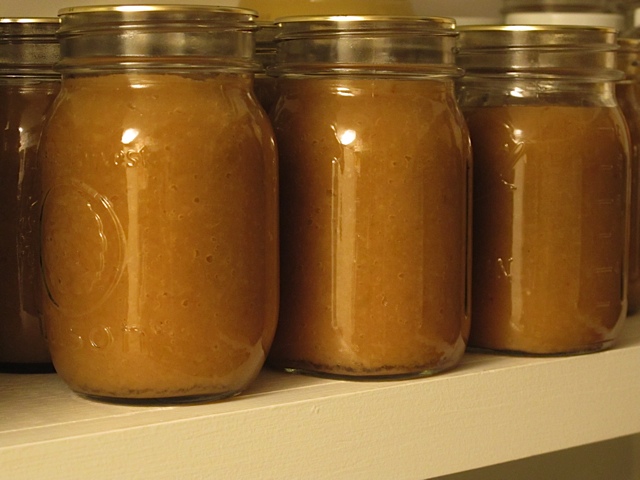
The key to successful canning is understanding the acidity and spoilage factor of food you wish to can, as well as the acceptable methods to process those foods. There are two types of food, categorized as low acid (vegetables, meat, poultry, and seafood)
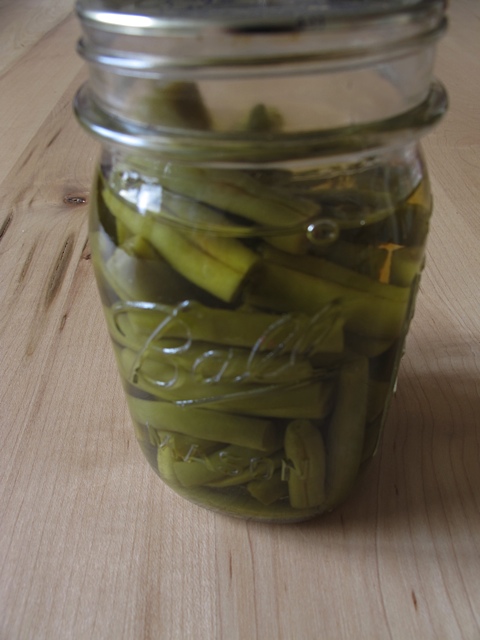
and high acid (fruits and tomatoes).
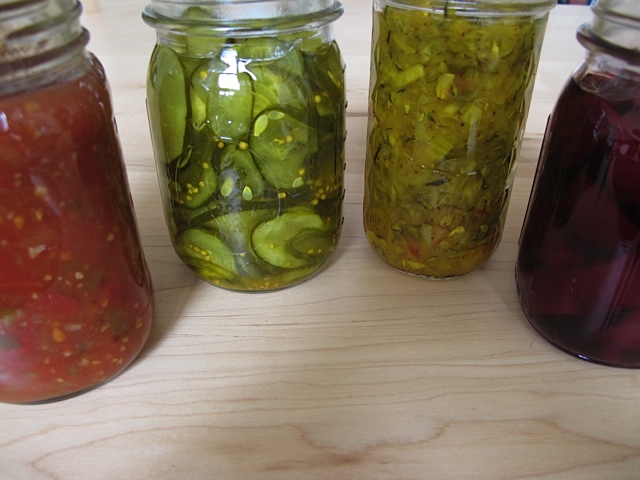
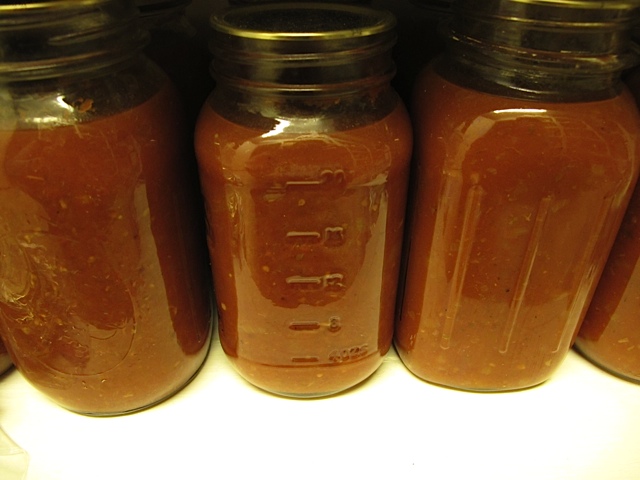
Pressure canning successfully cans both. Pressure canning is the only method recommended safe for canning low-acid foods according to the United States Department of Agriculture. The boiling water method is another recommended way of processing, however this method is only acceptable for some foods. Always follow the processing method stated in the recipe.
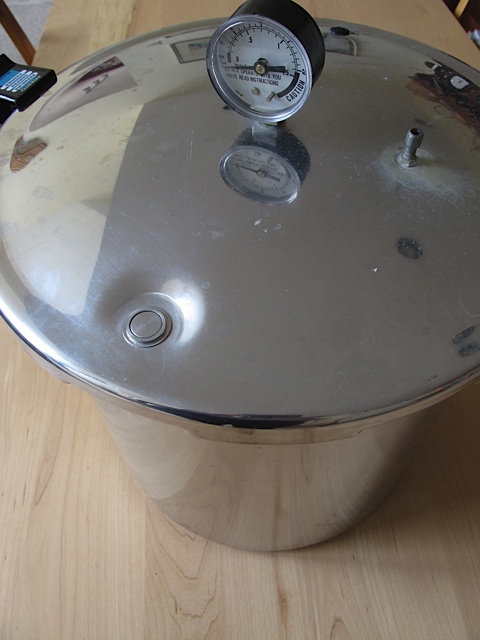
Invisible microorganisms are present all around us. Vegetables, meat, poultry, seafood and fruits naturally contain these microorganisms. They are not a problem unless food is left to sit for extended periods of time, causing food spoilage.
There are four basic agents of food spoilage – enzymes, mold, yeast and bacteria. Canning will interrupt the natural spoilage cycle, so food can be preserved safely. Molds, yeast, and enzymes are destroyed at temperatures below 212 degrees F, the temperature at which water boils. Therefore boiling water processing is sufficient to destroy these agents.
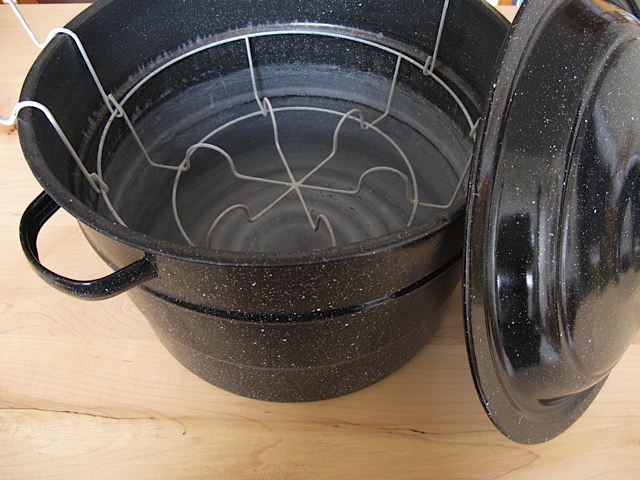
Bacteria, however, are not as easily destroyed. The bacteria, Clostridium botulism produces a spore that makes a poisonous toxin, which causes botulism. This spore is not destroyed at 212° F. In addition, bacteria thrive on low acids in the absence of air. Therefore, for a safe food product, low-acid foods need to be processed at 240° F. This temperature can only be achieved with a pressure canner.
The question I received was whether or not a Portuguese Soup with sausage could be processed in a water bath canner. Portuguese Soup would be considered a low acidity food. So the answer is no, anything with meat in it or even beans must be processed with the pressure canner.
 Nancy on the Home Front