Don’t forget to enter the WonderMill Grain Mill Giveaway! Click here to enter!
Remember when I attended my first seed saving class? It was May and the garden was just beginning.
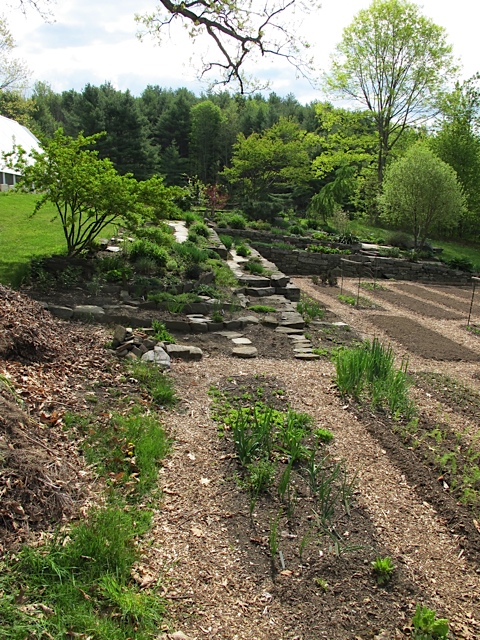
It was so much fun to follow Sylvia’s garden through the seasons. I learned as much from Sylvia as I did from the other class members and I would heartily recommend her class for anyone interested in learning how to save their own seeds.
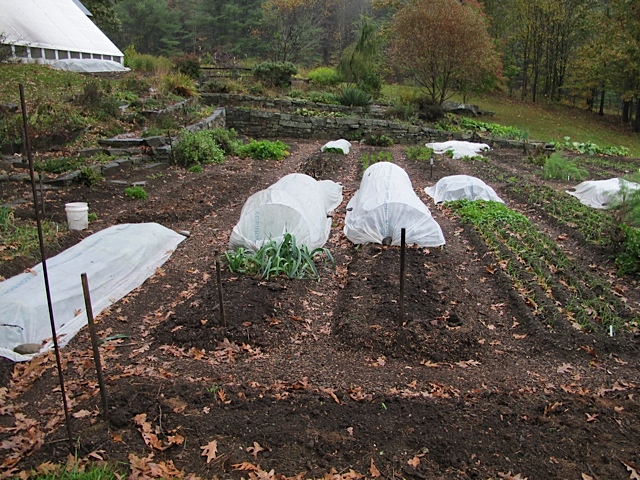
The last day of class was cold and wet. We spent the first few minutes walking around her garden looking at the changes. Many of the garden beds have already been cleaned out and are ready for winter. The beds have been raked, cleaned up and soil amendments added. This cuts down on the workload in the spring.
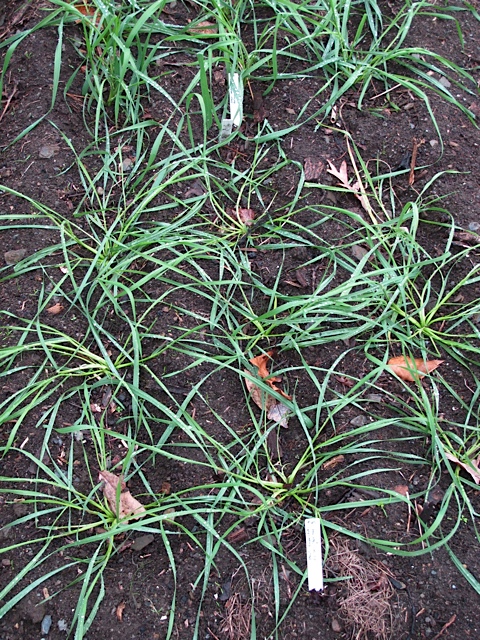
Spelt and perennial rye have been planted and have already sprouted. Winter wheat has also been planted.
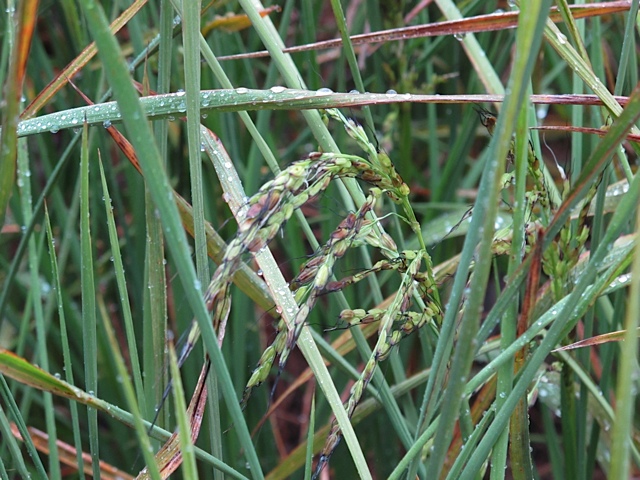
The rice crop was a bit disappointing; there are only a small percentage of viable seeds. Despite the small harvest, Sylvia plans to cut back the rice, remove the leaves and hang the stalks to dry.
Some plants are under row covers as much to protect them form cold weather as to keep them safe from the woodchucks!
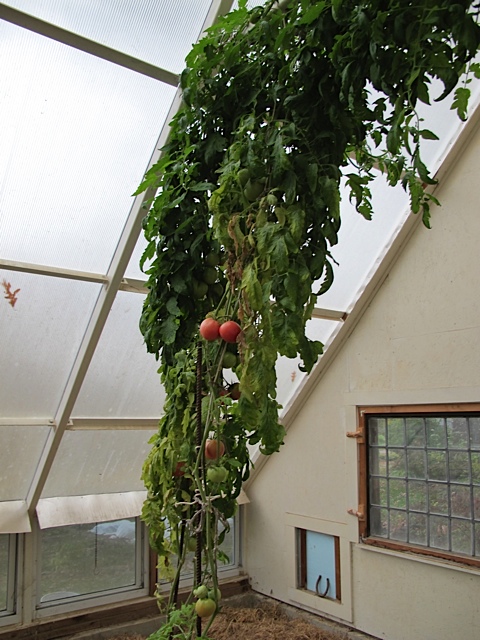
Tomatoes were still growing in the greenhouse with fruit ready to harvest.
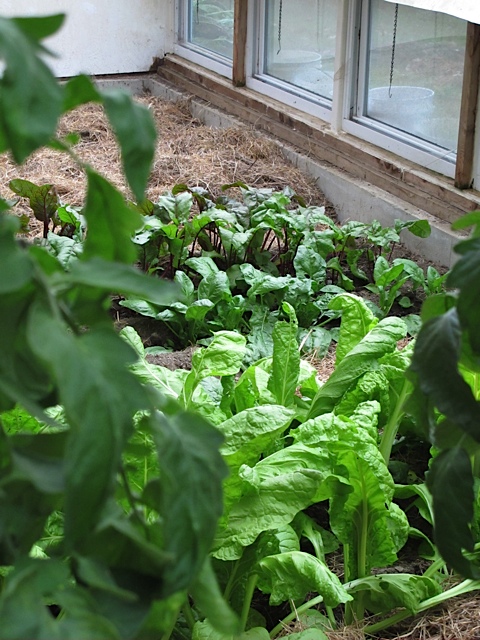
Beets and Swiss chard have been planted to give fresh greens through the winter.
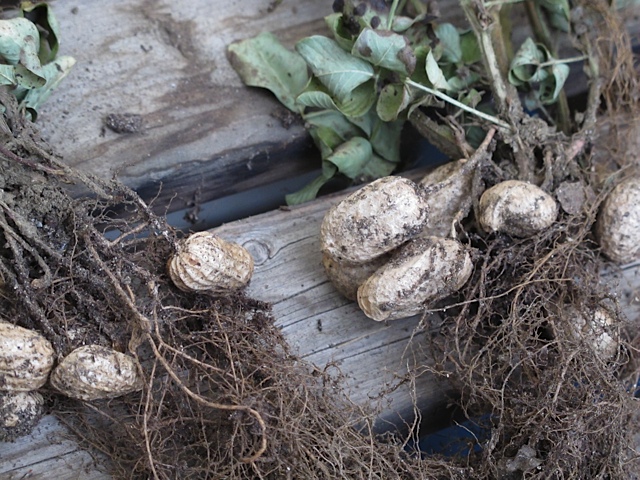
Peanuts were drying on the bench, each plant had a small cluster of peanuts.
After walking through the garden and greenhouse we moved inside where it was warm and dry. We learned several techniques regarding drying your seeds.
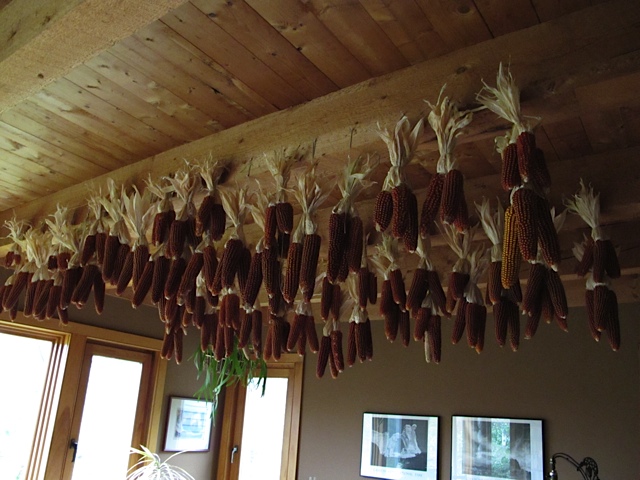
From hanging flint corn to dry in the living room, to curing sweet potatoes in an old refrigerator to get them ready for long-term storage. Sweet potatoes much be kept at 95 degrees with 95% humidity for 5-7 days to cure. Even the guest room was taken over for seed drying!
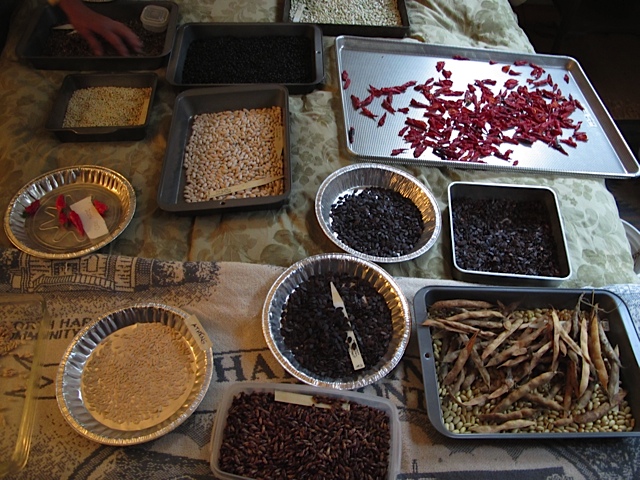
Everything is very well documented which will help plan the following years garden.
The most interesting part of the day was sitting around at the end of class talking about what we learned and why it is so important to learn how to save your own seeds. As seed packets get smaller and more expensive and your favorite varieties start disappearing you may want to learn how to save your seeds as well.
One of the best books around is Seed to Seed by Susan Ashworth. It will give you all the information you need to get started. This book is available in the Home Front Store.
Linked To: MsGreenthumbJean, SidewalkShoes, ASouthernDaydreamer, TootsieTime,
 Nancy on the Home Front