This week I am celebrating all the new “likes” the On The Home Front Facebook page has received! I never thought I’d see the day where I would have over 1000 likes! I sure do love all the support. Gardener’s Supply Company is also supporting me by supplying the prizes this week.
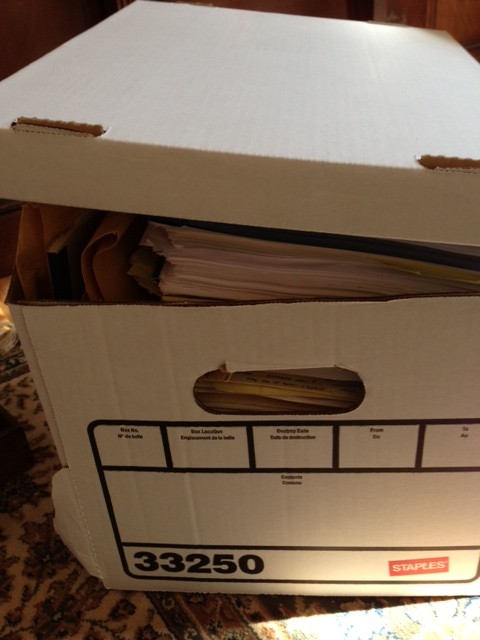
I have a tendency to save everything. This isn’t necessarily a bad thing but after a while you can end up with a lot of stuff! You really don’t have to save everything, the following are suggestions about how long your should keep personal finance and investment records on file.
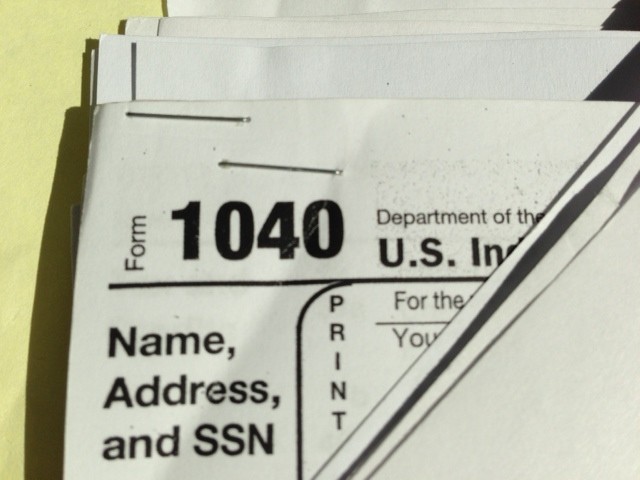
Tax Returns: The IRS has three years from your filling date to audit your return if it suspects good faith errors. This deadline also applies if you discover a mistake in your tax return and decided to file an amended return. The IRS has six years to challenge your return if it thinks you under-reported your gross income by 25%. There is no time limit if you failed to file a return or filled a fraudulent return.

Bank Records: From one year to permanently. Go through your checks each year and keep those related to your taxes, business expenses, home expenses and mortgage payments. Shred those that have no real importance.
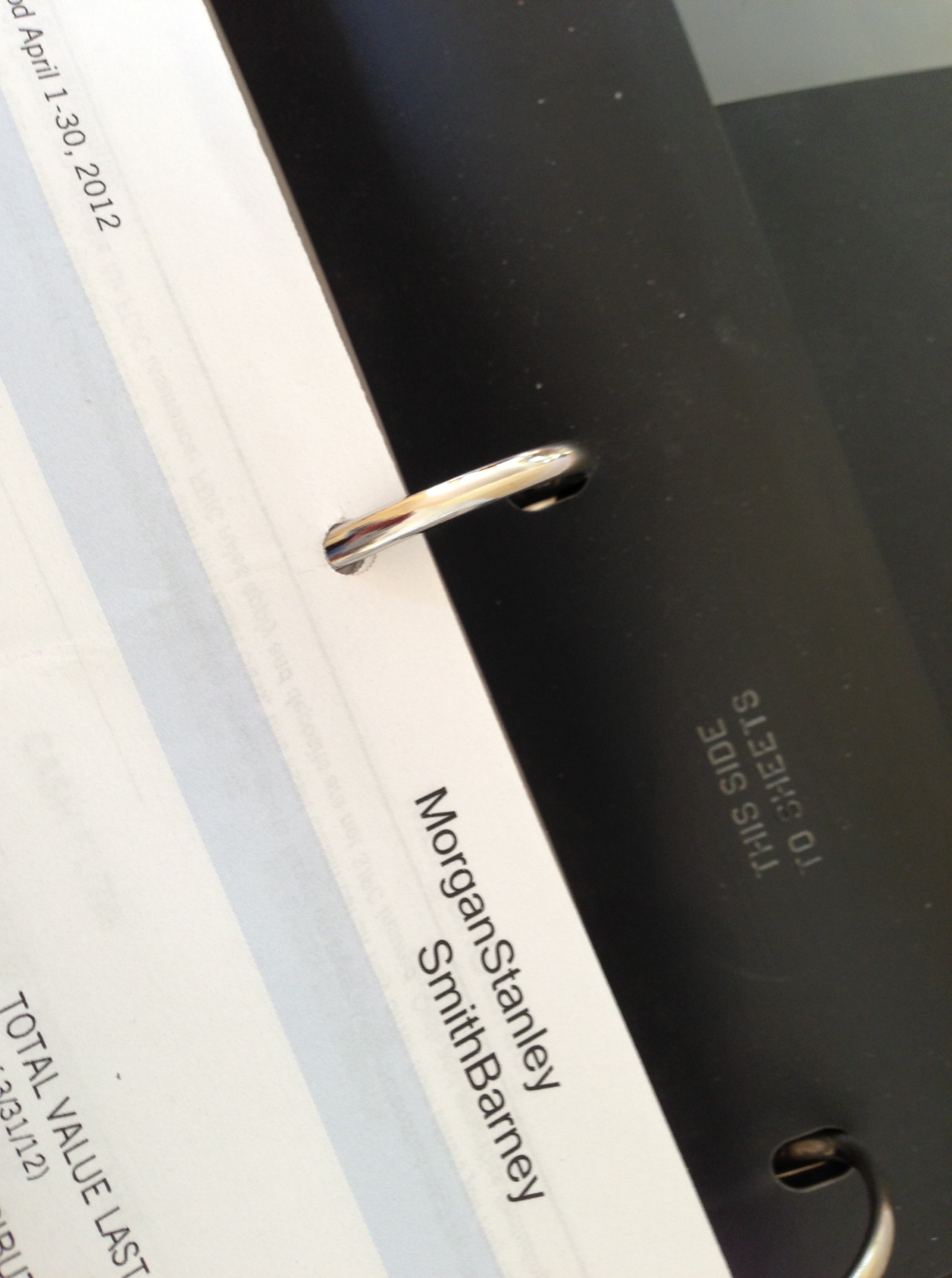
Brokerage Statements: Keep until you sell the securities. You need the purchase and sales slips from your brokerage or mutual fund to prove whether you have capital gains or losses at tax time.

Bills: Go through your bills once a year. I most cases, when the canceled check from a paid bill has been returned, you can shred the bill. However, bills for big purchases such as jewelry, rugs, appliances, cars, furniture, computers etc. should be kept in an insurance file for proof of their value in the event of loss or damage.

Credit Card Receipts and Statements: Keep for 45 days to seven years. Keep your original receipts until you get your monthly statement; shred the receipts if the two match up. Keep the statements for seven years if tax related expenses are documented.
source: http://themint.org
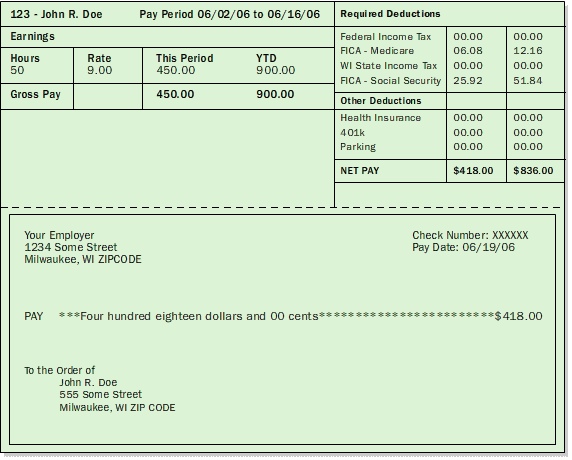
Paycheck Stubs: Keep for one year. When you receive your annual W-2 form from your employer, make sure the information on your stubs matches. If it does then you can shred the stubs. If it doesn’t demand a corrected form, known as a W-2c.

House Records: From six years to permanently. Keep all records documenting the purchase price and the cost of all permanent improvements, such as remodeling, additions and installations. Keep records of expenses incurred in selling and buying the property, such as legal fees and your real estate agent’s commission, for six years after you sell your home. Holding on to these records is important because any improvements you make on your house, as well as expenses in selling it, are added to the original purchase price or cost basis. This ads up to a greater profit (also known as capital gains) when you sell your house. Therefore, you lower your capital gains tax.
Source: Bankrate.com
Linked to: LearningTheFrugalLife
 Nancy on the Home Front