If you’re like me you’ve ordered your seeds and are now looking forward to starting those seeds. What to do in the meantime? Winter is a perfect time to work on getting your gardening tools and pots ready for the next gardening season. If you take good care of your tools they will last longer and perform better for you. When spring finally arrives you will want to start the season with tools that are in good working order.

Often fall comes, I work one last time in the garden and put my tools away thinking I’ll be back out again before winter. Instead the tools stay in my gardening bucket until spring when I pull them out dirty and rusty. Now is the time to take a look at your garden tools and give them the attention they need.
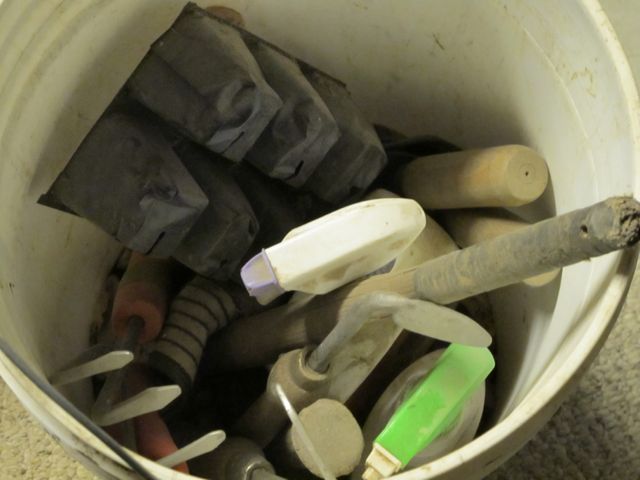
First remove any dirt from your tools. Remove any sap that has accumulated. If the tools have been used with fertilizers it is important to clean them as the chemicals in fertilizer can corrode any metal parts. Some people make a bucket of oiled sand to clean off your tools before storage. To make oiled sand, pour 3/4 quart motor oil or mineral oil into a 5-gallon bucket of sand (the sand should be damp but not moist). Push blades of tools into sand. This helps clean and condition the metal. You can actually store your tools in the oiled sand or wipe and hang to store.
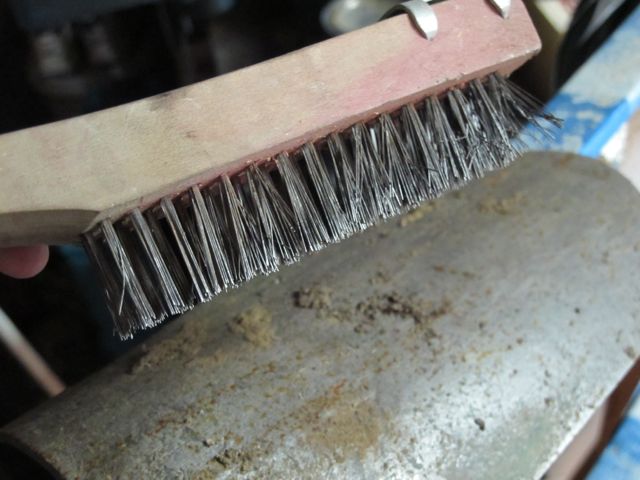
Once the dirt is removed tackle the rust. Remove any rust with a wire brush and wipe over with an oily rag; use a general purpose oil, such as WD40. Blades on your clippers, forks, spades and other tools will soon rust if they are not given this quick, effective treatment regularly. After you have sharpened your tools finish off by wiping over the blades with an oily rag before storing.
Some tools become blunt with use and their cutting edges will need to be sharpened. Blunt edges may be sharpened with a fine metal file but if they are badly damaged they should be replaced.
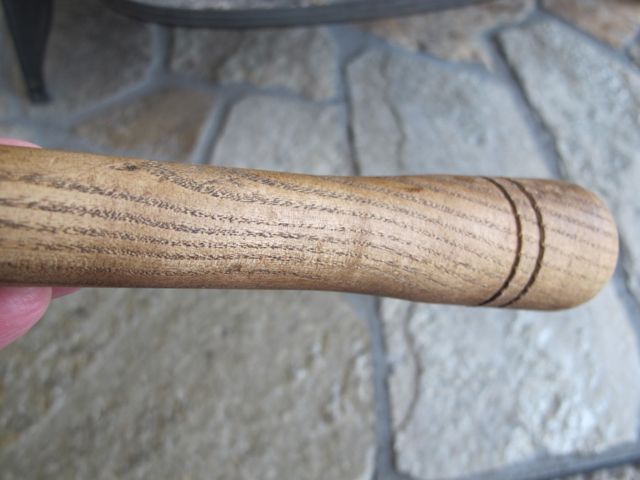
Bare wooden handles benefit from boiled linseed oil. Rub the oil on a rag and allow the wood to absorb the first coat before applying more oil. This prevents drying out and splintering. If the handle is dirty try to remove any dirt with a stiff brush.
Pots used for planting should also be cleaned with a pot scrubbing brush. Then soak them in a 10% solution of bleach for ten minutes. This simple sanitizing solution kills bacteria, viruses, fungi, and insects in pots. Leave them to dry out completely before stacking or using to plant.

Finally, take care of that old wheelbarrow. Clean the tire, handles and the tray with water and soap. Tighten any nuts or screws that might have loosened over the summer. Read the tire pressure requirement on the side of the tire and fill it with air. Use a bicycle tire pump instead of an air compressor. A really powerful compressor can burst a wheelbarrow tire sending tire shreds flying. Most wheelbarrows have sealed wheel bearings so greasing or oiling the wheel isn’t necessary. Store the wheelbarrow inside if you can or if you have to store it outside, turn it upside down to prevent water from standing in the tray.

Once your garden tools have been cleaned and oiled put them away in an organized fashion so you can find them in the spring. By taking care of your tools now you will be in good shape for the growing season. Imagine how nice it would be to head out to your garage or tool shed and have a clean set of tools waiting for you, the hose carefully coiled and the wheelbarrow ready for use. Now is the time to take action and as you are working you can dream of your beautiful garden.

Linked to: MsGreenthumbJean , SidewalkShoes, ASouthernDayDreamer, NaturalMothersNetwork, MindBodyandSole, TheHomeAcreHop, DelightfulzOrder, TootsieTime, FarmGirlBlogFest, TheChickenChick, CraftyGardenMama, BackyardFarmingConnection

 Nancy on the Home Front