What is a cultured food? “Cultured” essentially means fermented – the chemical process of breaking a complicated substance down into simpler parts, usually with the help of bacteria, yeasts or fungi. Some of the more common fermented foods are yogurt and sauerkraut.
There are many reasons to eat fermented foods. They improve digestion. Fermenting our foods before we eat them is like partially digesting them before we consume them. Fermented foods restore the proper balance of bacteria in the gut. Eating fermented food helps us to absorb the nutrients we’re consuming. Fermenting food helps us to preserve it for longer periods of time. Milk will go bad in the fridge but yogurt lasts a lot longer. Fermenting food often increases the flavor and is inexpensive.
You can purchase yogurt in the store, but did you know it is very easy to make at home? You don’t need any special equipment. You need milk and culture. I purchased my culture from www.cheesemaking.com. You don’t need to use raw milk, you just do not want to use the ultra pasteurized milk.
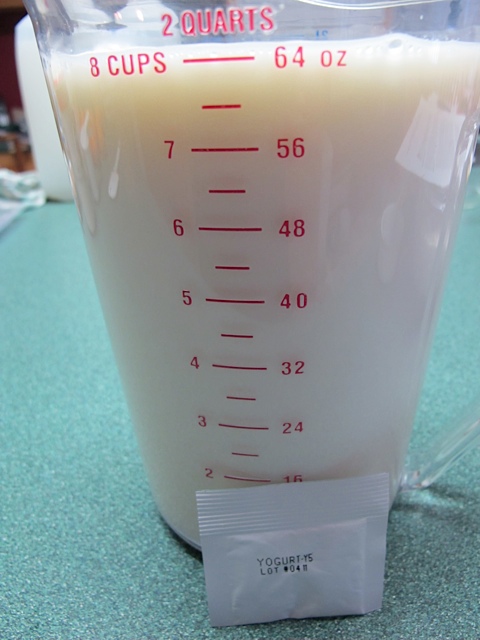
Here are the simple directions. Pour ½ gallon of cold milk into a heavy stainless pot for heating. Heat the milk to 185 degrees and then hold it there for 10-20 minutes.
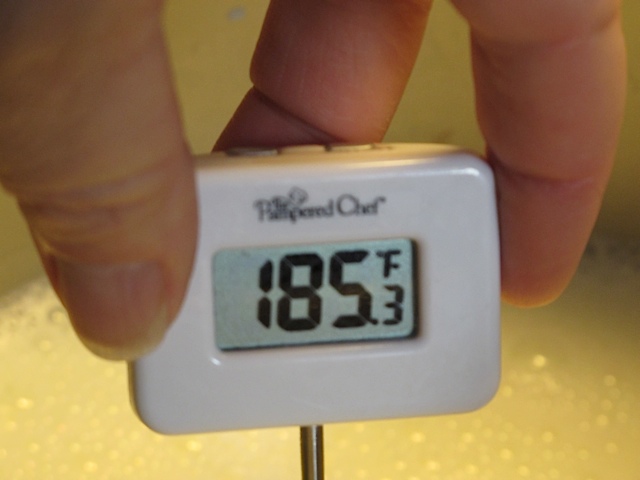
This will prepare the whey proteins, which are largely responsible for the thickening of the yogurt body. Set the milk pot directly on the burner and begin heating with careful stirring to prevent the scorching of the milk. Cool the milk as quickly as possible to your target temperature for inoculating the yogurt (116 degrees F). When the milk reaches the proper temperature for inoculation, it is time to add the direct set yogurt culture. The culture will be a mix of Streptococcus thermophiles and Lactobacillus bulgaricus plus and probiotic additions the culture may contain.
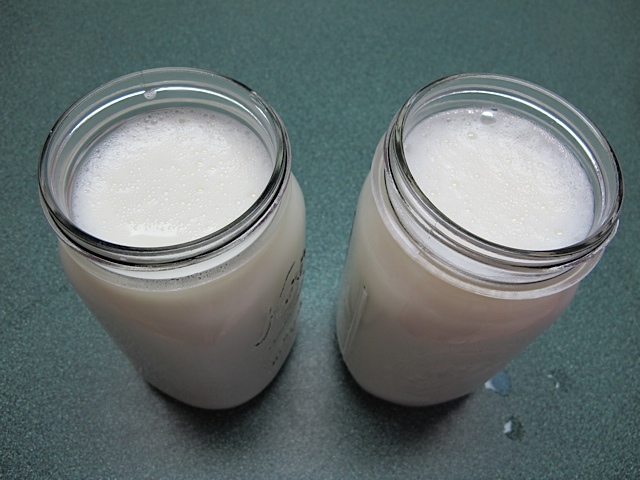
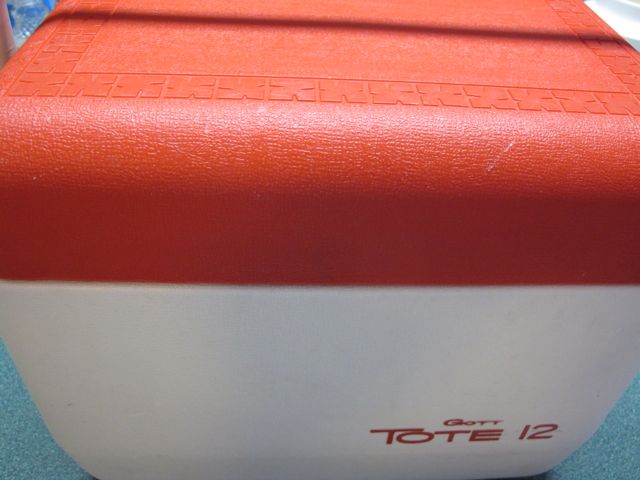
Incubate the cultured milk for the required time. This can be done easily by pouring your cultured milk into containers and placing those containers inside an insulated cooler.
Pour warm water (116 degrees F) into the cooler so that your container lids are just an inch or so above the water line. This “water bath” will maintain the temperature so that the appropriate bacteria will thrive and populate.
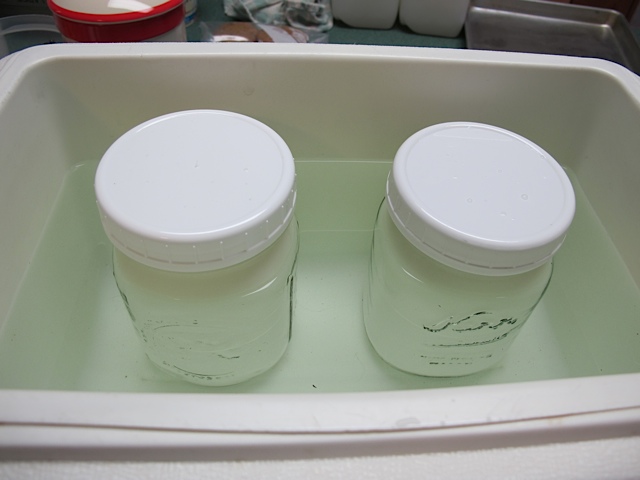
Place the cover on the cooler. The time of incubation is about 8-10 hours for most yogurt cultures.
Place the yogurt in the refrigerator when the incubation is complete.
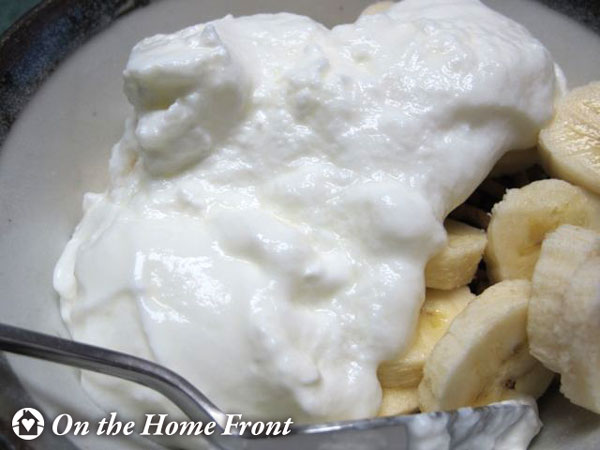
I inoculated my milk, poured it into glass jars and placed them into my cooler. I added the warm water, put the lid on the cooler and let it sit on the counter for 10 hours. Before going to bed I placed the yogurt in the fridge. In the morning I had two containers of plain yogurt ready to enjoy! I have always preferred flavored yogurt but I find this yogurt to be delicious. If you want, feel free to add fruit to flavor it yourself.
Linked to: HomemakersChallenge, SmallFootprintFridays, LittleHouseInTheSuburbs, FarmgirlFridayBlogHop, NoOrdinaryHomestead, FarmGirlBlogFest, LilSuburbanHomestead, SassyLittleLady, HomesteadBarnHop, MrsHappyHomemaker
 Nancy on the Home Front