If you are like me you want to stock your pantry with items that are nutritious and healthy for your family. In regards to sweeteners what do you use? I grew up with plain ordinary white sugar, which I realize is not the healthiest choice. I did a search on Wikipedia to see just how many sweeteners there were and I found a list containing 120 different sweeteners. I didn’t even recognize many of them. How do you decide what to stock in your pantry? I decided to look at just a few without talking about artificial sweeteners.
Agave nectar
Maple Syrup
Corn syrup
Honey
Powdered Sugar
White Sugar
Brown Sugar
Sucanet
Raw Cane Sugar
Turbinado Raw Cane Sugar
Over the next few weeks I will take a look at some of these various sweeteners.
Agave Nectar
Agave Nectar is best recognized as the plant from which tequila is made.

It is comparable in taste to honey according to some people. I have never tried it. I did read one post on Foodrenegade.com that stated that agave nectar is not a “natural sweetener” plus it has more concentrated fructose in it that high fructose corn syrup!
Apparently native Mexican peoples do make a sort of sweetener out of the agave plant, called miel de agave and it’s made by boiling the agave sap for a couple of hours. Similar to how maple syrup is made.

In a recent article now posted on the Weston A. Price foundation’s website, Ramiel Nagel and Sally Fallon Morell write
“ Agave “nectar” is not made from the sap of the yucca or agave plant but from the starch of the giant pineapple-like, root bulb. The principal constituent of the agave root is starch, similar to the starch in corn or rice, and a complex carbohydrate called inulin, which is made up of chains of fructose molecules. Technically a highly indigestible fiber, inulin, which does not taste sweet, comprises about half of the carbohydrate content of agave.
The process by which agave glucose and inulin are converted into “nectar” is similar to the process by which cornstarch is converted into HFCS. The agave starch is subject to an enzymatic and chemical process that converts the starch into a fructose-rich syrup—anywhere from 70 percent fructose and higher according to the agave nectar chemical profiles posted on agave nectar websites.”
If you are trying to stay away from highly refined products I would stay away from Agave nectar. Or make sure what you are buyng is made the authentic way!
Maple Syrup
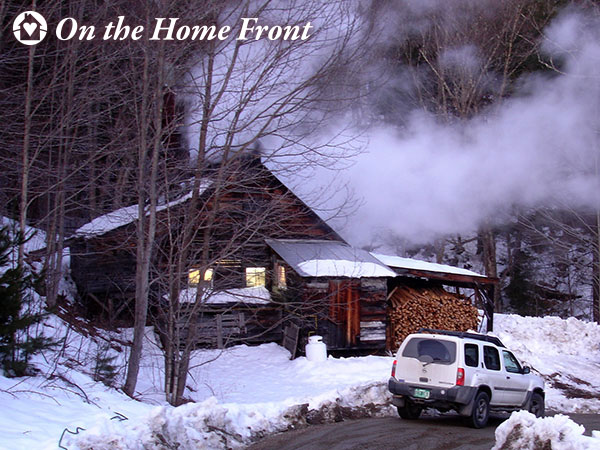
Living in the state of Vermont maple syrup is near and dear to my heart. We have neighbors who run their own sugarhouse and collect the maple sap off the mountain we live on. It’s annual event to help them out and the men spend many nights working together to produce the maple syrup.
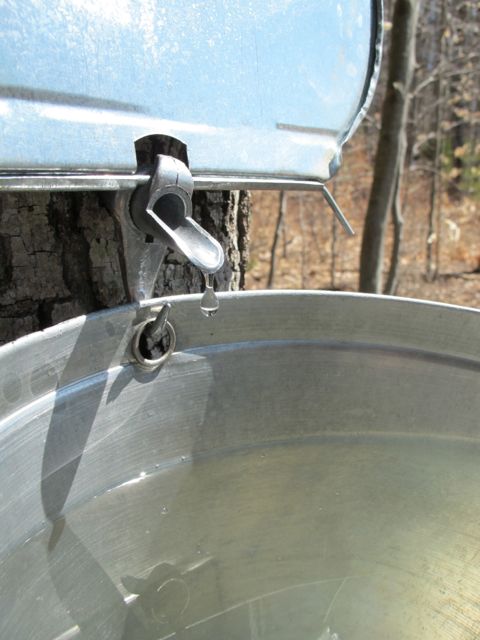
When the spring temperatures reach 45 degrees F during the day and the nights remain below freeing the sap starts to run. In March and April the sugar maker drills a hole in the trunk of the sugar maple and taps in a spout with either a bucket or plastic tubing attached. Sap averages 2-3% sugar and looks like clear water. The sugar content of syrup is 66.9%. For each gallon of maple syrup produced the sugar maker must collect 40 gallons. Sugaring season continues until warmer spring temperatures arrive and the leaf buds start to unfold. The sugarmaker will then pull the taps, clean their equipment and sell their wonderful product.
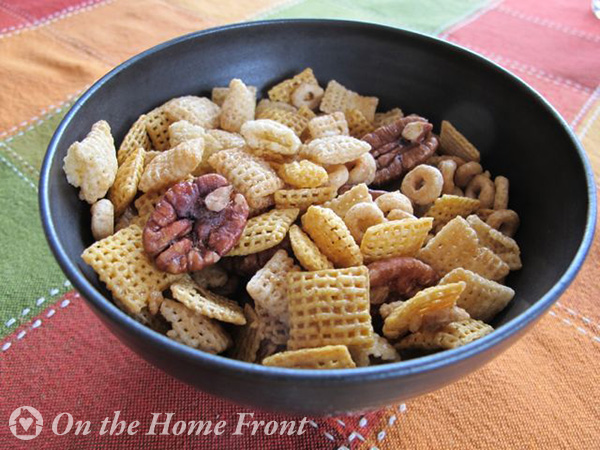
Maple syrup can be used in many ways. On your pancakes or waffles. Used in a salad dressing. It can also be used in many other main dish recipes or in baked goods. One of our favorite ways to enjoy maple syrup in is this delicious Maple Gazed Snack Mix.
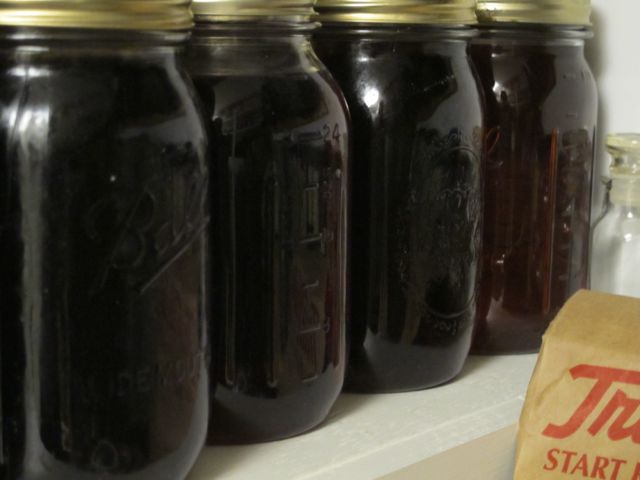
Our family loves the taste of pure Vermont maple syrup and it is definitely something you will find in our pantry!
Linked to: SmallFootprintFriday, FarmGirlBlogFest, LittleHouseInTheSuburbs, FarmGirlFriday, HomesteadBarnHop, CreativeHomeAcreHop

 Nancy on the Home Front