Many of your have seen pictures of my pantry.
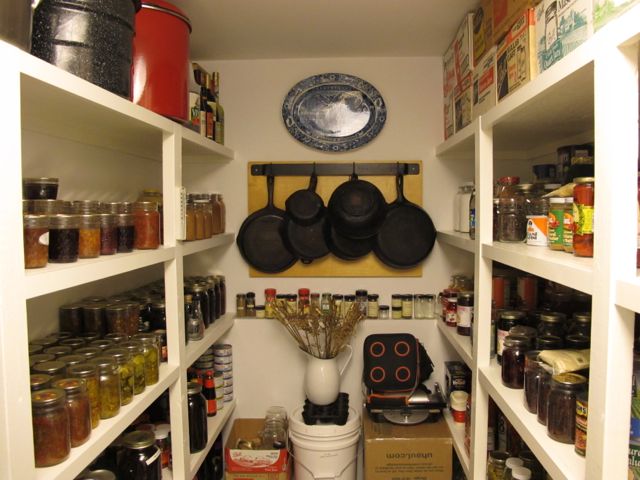
We do not live close to the store and as a result I like to keep a well-stocked pantry. I purchase oatmeal, sugar and wheat berries from the local co-op and store them in large white buckets in my pantry.

(Photo credit: Tim Patterson)
There is a lot of misinformation out there about plastic buckets. Much of the controversy rages over whether a bucket is food grade or not. Plastic containers usually have a number in a small triangle on the bottom, often a #2. This number doesn’t mean that it’s food grade but rather tells what kind of plastic the bucket is made of. A #2 means that it is made from HDPE plastic. Most of these buckets are food grade but there are times when they are not.
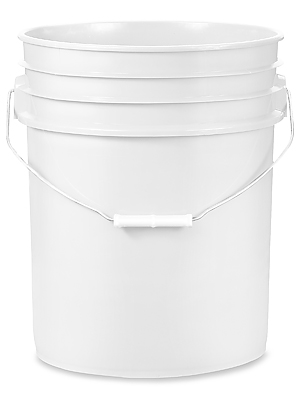
Sometimes the bucket has a dye added to the plastic that is not food grade. This alone will prevent the FDA from approving it as food grade. Sometimes the bucket manufacturer uses recycled HDPE, these buckets are also not food grade. When something is put in the bucket that is a nonfood type produce such as paint or chemicals then this also makes them so they are no longer food grade.
How do you find buckets that are safe for you to use for the foods you want to store yourself? If you are buying new buckets ask the company who is selling them. If you are getting used buckets, use only buckets you know have already been used to store food and haven’t been used for anything else. You can find these buckets at bakeries, ice cream manufacturers, large restaurant or kitchens or food processing plants.

You want to make sure your lids are airtight. You may have to purchase new lids if the lids that come with the used buckets are damaged in any way.
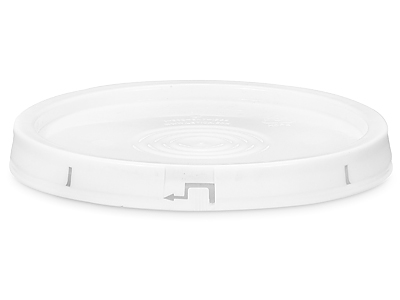
One of the best sources I’ve found for buckets on the east coast is a company called Uline located in New Haven, CT.
Linked to: HomemakersChallenge, CommonSenseHomesteading, HomesteadBarnHop

 Nancy on the Home Front