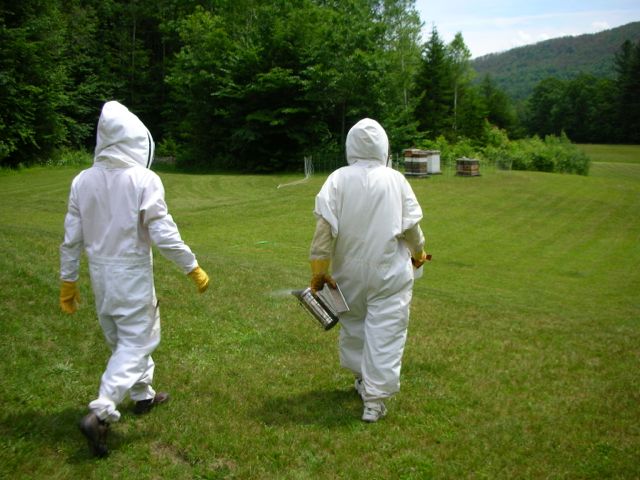
If you’re like me you are doing your best to live a clean, simple life. I am concerned about the food I put on our table and the cleaning products I have in our home. For years we kept bees. We became very concerned about the health of our bees and eliminated all pesticides from our property. I did my best to encourage our neighbors to do this as well.
There are so many risks from lawn care pesticides. The EPA permits over 200 different pesticides to be used for lawn care, and these are often mixed together and sold as chemical combinations.
The US Fish and wildlife Service reported that “Homeowners use up to 10 times more chemical pesticides per acre on their lawns than farmers use on crops”. Homeowners applying their own pesticides may be directly exposed to the chemicals through inhalation, skin exposure and or ingestion.

Pesticides are intentional toxic substances. Some chemicals commonly used on lawns and gardens have been associated with birth defects, mutations, adverse reproducible effects and cancer in laboratory animals.
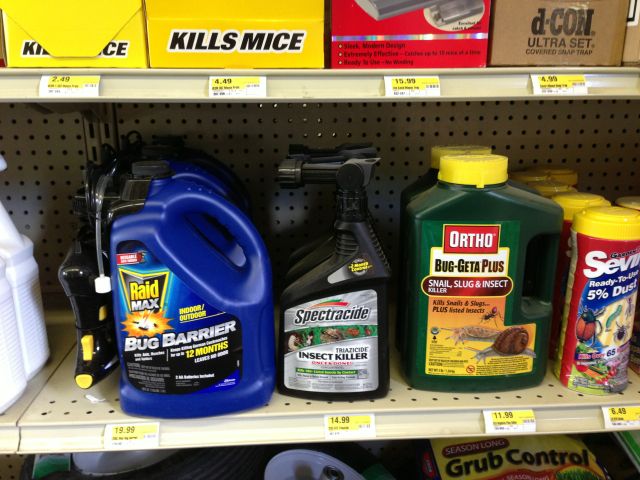
Lawn-care pesticides are not tested for their chronic health effects, unless they are also licensed for food uses. The third most heavily used herbicide in the US, MCPP, has not been fully tested for chronic health effects since it is not allowed for use on foods. However MCPP is commonly found in weed and feed products.
Educate yourself and evaluate whether using pesticides on your lawn is something you should be doing. It is important for your health and the welfare of our birds and pollinators. Avoid the use of lawn-care pesticides in order to minimize health and environmental risks. Consider pesticide free landscaping alternatives that make use of native plant species tolerant of the conditions in your area.

Linked To: OutdoorWednesday, GardenTuesday, TuesdayGardenParty, GreenThumbThursday, DIY LINKY, FromTheFarm, FarmgirlFriday
 Nancy on the Home Front