We’re halfway through the year already, it’s the perfect time to take a look at your finances and make sure everything is in order.
1. The first thing to do is make a commitment. You want to commit to get your finances in order and be ready to follow through.
2. Order a credit report. You are entitled to a free credit report form each of the three credit agencies once a year. At the very least you should check your credit report once a year. Visit www.annualcreditreport.com for your free report.
 3. Gather all your financial paperwork. You want to have a good idea of your obligations. Include your credit card bills, phone bill and utility bills, bank statement, insurance and mortgage payments and any other financial debts and obligations you pay on a monthly or yearly basis. If you have more than one credit card determine which card has the lowest interest rate.
4. When you have all your financial documents sort them into separate file folders. You want to have everything organized so you know just what you owe.
5. Analyze your insurance coverage. Call your insurance company and discuss your coverage. If you own a home you want to make sure your coverage is adequate especially if you need flood or disaster coverage.
6. Make a will. Making a will is especially important especially if you have children.
7. Create a budget and stick to it. Creating a budget is a critical to getting your finances in order. It’s not difficult to create a budget you just want to make sure that you are living on what you earn. Sticking to your budget is the hardest thing. It is a good idea to know where your money goes each month and where you can cut back.
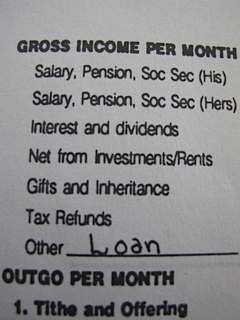
8. Reduce Your Debt Once you have all your documents in order and you know what you need to live on try to reduce your debt. Figure out the interest rates on your debt and pay off the highest interest loans or credit cards first. Again learn to live on what you make, if you don’t have the money don’t buy!

9. Set up an emergency fund. In this day and age with unexpected job loss and other emergencies it is a good idea to have 2-3 months of income on hand in case or an emergency. This can be hard to do but if you work on it over time the money can add up. Use a trick of putting all your change in a jar or just put every $5 bill in a box. When you have some money saved up place it in a special account to be used just for emergencies.
10. As I mentioned in a previous post keep all your important documents in a safe place. Inform a trusted friend, attorney or family member where you keep them. It is also a good idea to make copies of your driver’s license, passports and credit cards in case of a loss.

By taking these steps you will have a good grasp on your financial situation and your important documents will be gathered together and kept in a safe place. You can then take a look at your future and your plans.
Linked to: FabulouslyFrugalThursday, ThinkTankThursday
 Nancy on the Home Front