Our children may be grown with their own children now but I remember the days of “I need it!”, “All the kids have one!” and “Why not?” sound familiar? Remember dating with the “gimmies”? Every parent knows that when a child wants something, he’ll morph into a master negotiator. Your debating skills may be bolstered by a superior grasp of logic, but your child has unlimited time, energy and determination on his side. The answer may seem simple (just say no), but the reality is more complex. If your kids have grown up in a culture of plenty, the shift to thrift may be a shock; expect to wage an ongoing battle for some time. The good news is that if you model good old-fashioned virtues (waste not, want not), you can make an impression on your children – no matter what their age. Virtue may not win arguments, so keep the following tips in mind:
Emphasize how hard you work to earn your money and let your child know you must make decisions on how to spend it. The amount of money you have is limited and even grown ups can’t get everything they want.
Make a wish list for each member of your family and display it. Point out that in your family, needs – like food and clothing will be taken care of but wants like a new car, vacations or toys may take some time.
Encourage your child to explore making rather than buying.
Downsize your children’s birthdays to just include a few friends and family. If you routinely treat them to elaborate birthdays they may take such celebrations for granted. Instead of springing for the latest toy, consider a special family outing to celebrate a birthday.
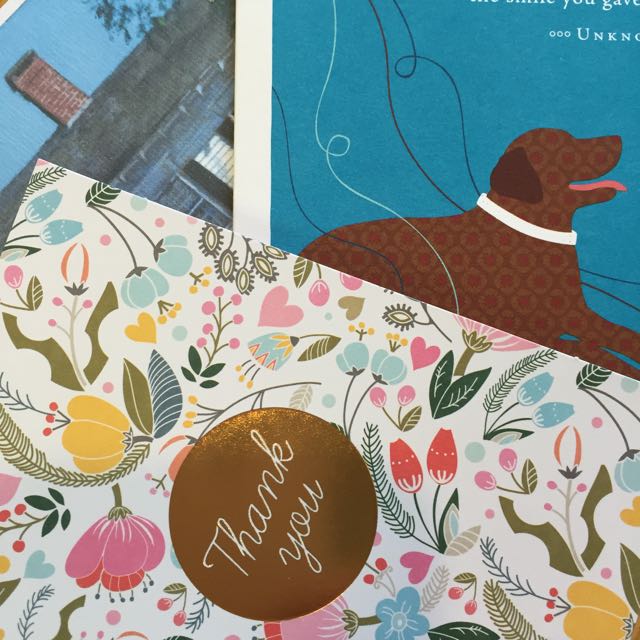
Involve your child in thanking people for their thoughtfulness and gifts. When sending thank you cards, have your child dictate a message, color a simple picture or put the stamps on the envelope. Let your child know that it’s polite to express appreciation for presents, even if they aren’t exactly what they had in mind.
Make an effort to model delayed gratification. Most of all have patience, developing an appreciative attitude is a process that takes time.
 Nancy on the Home Front
This is a great reminder to kids now a days. No one takes time to write thank yous. I still have some that we written by my kids, friends and grands. They mean the world to me.
This is a set of manners that needs to be reintroduced ❤️
LikeLike
Meet,
I totally agree! I so appreciate the wonderful thank you notes that I’ve received over the years!
LikeLike
All good points! I love that you mentioned thank you notes – so important for kids to learn! To help my children understand that money didn’t grow on trees, they had to earn it with extra household chores. Then, as they became teenagers, they were encouraged to get part time jobs. They understood that until they graduated from college, their needs would be taken care of. However, whatever they wanted, they would have to earn for themselves.
LikeLike
For us, being open with, and including our kids in monthly budget discussions and the decision-making process of how we spend our money, has basically negated the “gimmes” from age 5 or 6. Other than the odd candy or soda “need” when very little, ours have been spared the drive to have more. I think being well-traveled has remedied that, to a large degree. You only have to see abject poverty once in your life to view yourself as spoiled and rich, despite being thoroughly middle class. It makes it harder to covet “stuff”.
LikeLike
Mandy,
Sounds like you are raising wonderful children! I totally agree with your comment about traveling more and exposing your children to abject poverty, it is eye opening to see how little others live with!
LikeLike
It’s very hard to battle the gimmes, especially when things are more prone to instant gratification than ever before! But it’s an important battle to fight.
LikeLike
Jamie,
So true, you pick your battles but this is an important one!
LikeLike