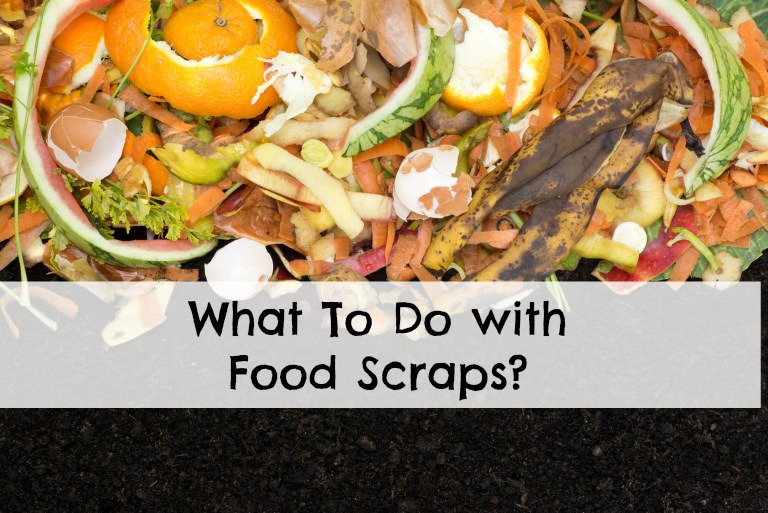
By July 1, 2017, The Vermont Department of Environmental Conservation assures that waste haulers and drop-off centers must provide food scrap collection. I am more interested in managing my food scraps at home, it is simple and low-cost, and I can make wonderful compost, which is like black gold for my garden.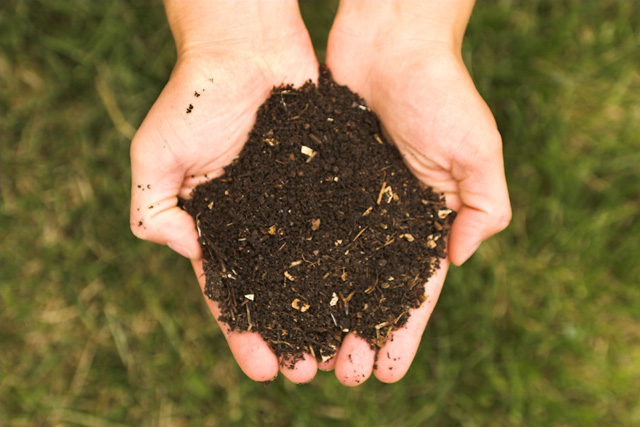
The benefits of composting are many. It is a great soil amendment for my garden. Compost helps promote root development, enhances retention of water and nutrients and makes the soil easier to cultivate.
How to go about making compost from your food scraps? One simple method is to use a compost bin made of recycled plastic. Here in Vermont I can actually purchase these bins from the Solid Waste Management District. They are also available at our local hardware store. Once the snow has melted find a suitable site that’s convenient but also out of the way. It should be shaded and out of the wind. We have ours tucked in the corner of the yard. Our compost bin is within easy walking distance from the house yet not really visible when you drive in the driveway.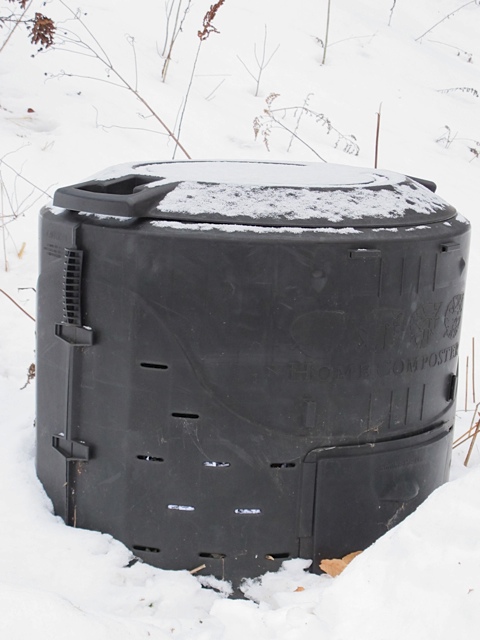
I also have a small compost container, which sits on my counter and is filled almost daily. When the container is filled it is brought outside and emptied into our larger bin.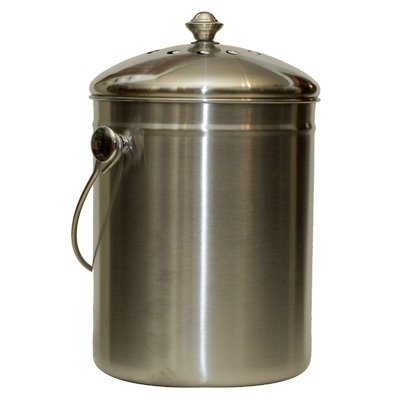
When collecting materials to compost you want them to be in small enough pieces so that they will compost quickly. It is a good idea to layer your compost using one part of green material to 3 parts brown. Green materials are food scraps, manure, freshly cut grass, coffee grounds, and vegetable and fruit scraps. Brown materials are dry leaves, sawdust, shredded egg cartons, ground up eggshells, hair and wood ash.
Do not add meat scraps, diary products, oils or bones as they will attract pests. Do not use grass clippings that have been treated with pesticides or pet manure. Remember you will be putting your compost into your garden and you want it to be beneficial to your plants.
As the compost pile builds up you can either stir it with a shovel or remove the fresh compost from the bottom. We usually empty our compost bin each spring and dig it into our garden.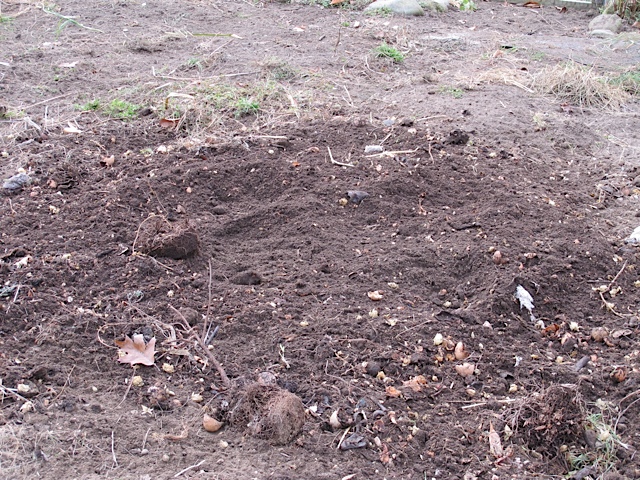
There are also other compost bins that you can build using pallets or wire. The bottom line is that composting is easy. Compost will take your food scraps and give you a supply of dark, crumbly hummus that will enhance your garden.
 Nancy on the Home Front
This is great information. I started a small area. Just a corner bed that is over grown and filled already with leaves. It works for now at least. I enjoyed this post. It is perfect for Spring. I’d love for you to come over and
link at the Fabulous Spring/East Party. This weeks linky is over here:
http://ourholidayjourney.blogspot.com/2017/03/fabulous-springeaster-link-party-2.html
Come over every week and join the party.
Happy Spring
LikeLike
I would love to start a compost, we have a problem with rats around here though and I am afraid it would just draw them in even more. I have learned how to freeze my veggie scraps and make my own veggie broth from them though! – visiting from Think Tank Thursday
LikeLike
Jennifer,
My daughter has the same problem where she lives. However freezing veggie scraps is also a wonderful idea! 🙂
LikeLike
I’ve got the same compost bin for the kitchen. I love it! Thanks for sharing on the Waste Less Wednesday Blog Hop!
LikeLike
Katy,
Love my compost bin! 🙂
LikeLike
Touch wood I have not had rats in my compost heap although over they years I have had a good few mouse families living in there as well as slow worms. #WasteLessWednesday
LikeLike
Rosie,
worms are the best to have in your compost! 🙂
LikeLike
I know – and such wonderful creatures. DO you have slow worms in America? They are in fact a legless lizard and eat loads of slugs!
LikeLike
Rosie,
I’m don’t think we have slow worms, when we lived i Florida we had skinks which were a legless lizard! Anything that would eat slugs sounds like they would be welcome!
LikeLike
Great tips! One of these days, I’ll get one going! Thank you for sharing at Dishing It & Digging It!
LikeLike