Do you have a vegetable garden each year? It’s a great way to enjoy fresh produce and save money. Another way you can save yourself some money is to make your own DIY seed starting mix. The materials you need are easily purchased at your local garden center. These mixtures for making your own seed starting mix must be sterile.
Your soil mixture must be firm and dense enough to hold cuttings or seedlings in place during rooting or germination. You also want the soil to be of a consistency that will not alter drastically either wet or dry, since this could cause root damage. The soil must be porous enough to drain properly yet retain enough moisture so that you are not constantly watering.
You can purchase large bags of pre-mixed soil especially designed for seed germination. You can also easily make your own DIY Seed Starting Mix. The mixture I use each year works well for me, as you experiment with various components you will discover what works best for you.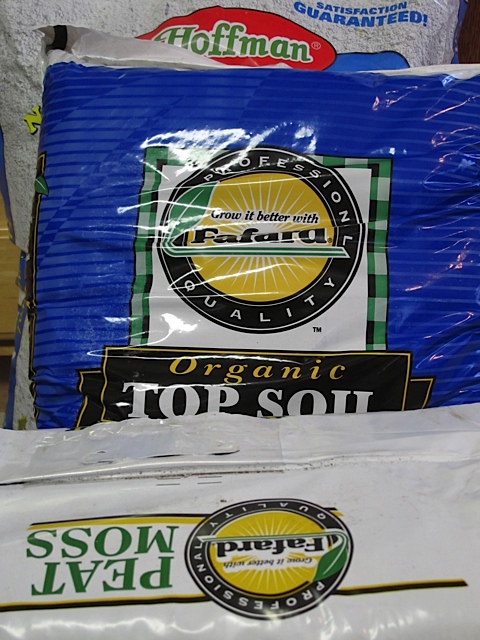
DIY Seed Starting Mix
Ingredients:
1 part sterilized garden loam or topsoil
1 part coarse sand or perlite
1 part peat moss
Directions:
Combine equal parts of garden loam, perlite or coasts sand and peat moss in a large container. Keep covered until ready to use.
Pearlite is used to increase aeration in a mixture. It is derived from a type of volcanic rock and is processed into light, porous, sterile particles that hold many times their own weight in water.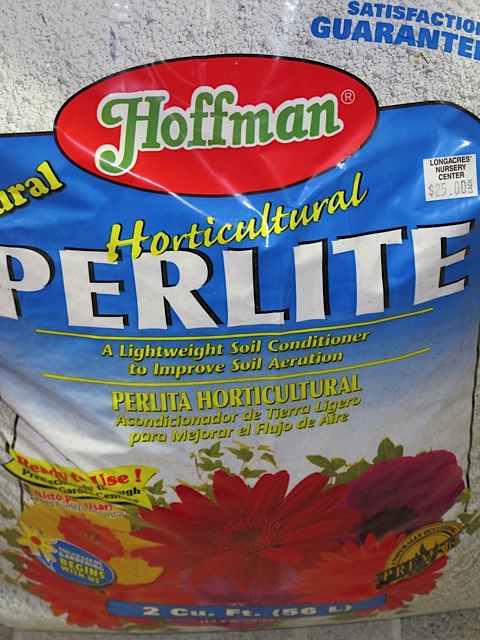
Sand is used to add body and drainage to a soil medium, and is also excellent when used alone for root cuttings.
Peat moss is used in heavy mixtures to lighten and increaser porosity; it is derived from partly decomposed aquatic plants.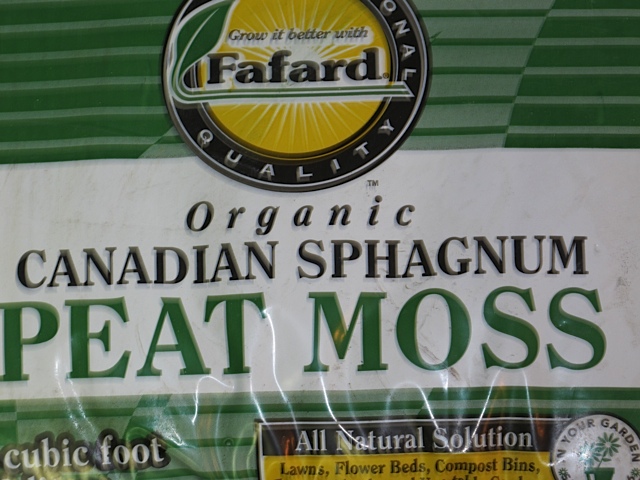
Now that you have mixed up your own seed starting mix you are ready to begin planting those seeds, which must be started early. Some plants like tomatoes, peppers, eggplant, onions and leeks need time to grown and establish themselves before they can be planted directly into the garden. I always enjoying mixing up my potting soil and starting seeds inside. It’s a sure sign that spring is coming!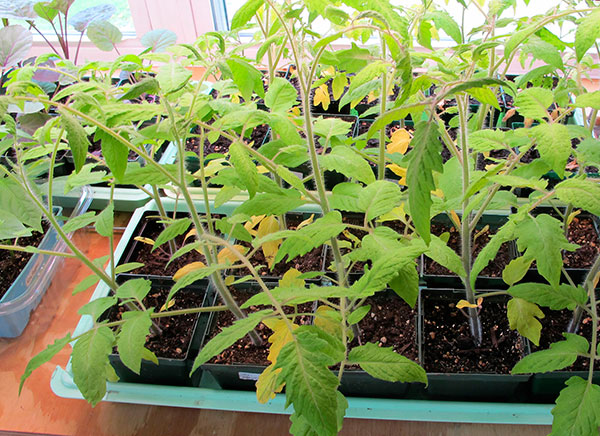
 Nancy on the Home Front
I do a similar mix but I use coconut coir rather than peat. Once the seedlings are ready to move up to the next pot I use a 1/3 coconut coir, 1/3 homemade compost and 1/3 permits. Thanks for sharing how you start your seeds off right! I found you through the Bloom Where You Are Planted Homestead Blog Hop.
LikeLike
Emma,
I’ve never use coconut coir but it sounds like an great idea! Thanks for stoping by!
LikeLike
Hi Nancy! Great idea…thanks for sharing! I’ve used the coir also, and found out later that it must be rinsed to remove salts. Which explains why I had some issues last year.
It’s good to be back for a visit to your blog!
LikeLike
Lisa Lynn,
Thanks for stoping by! I love when I learn something new! I’ll have to try the coir and rinse it first! 🙂
LikeLike