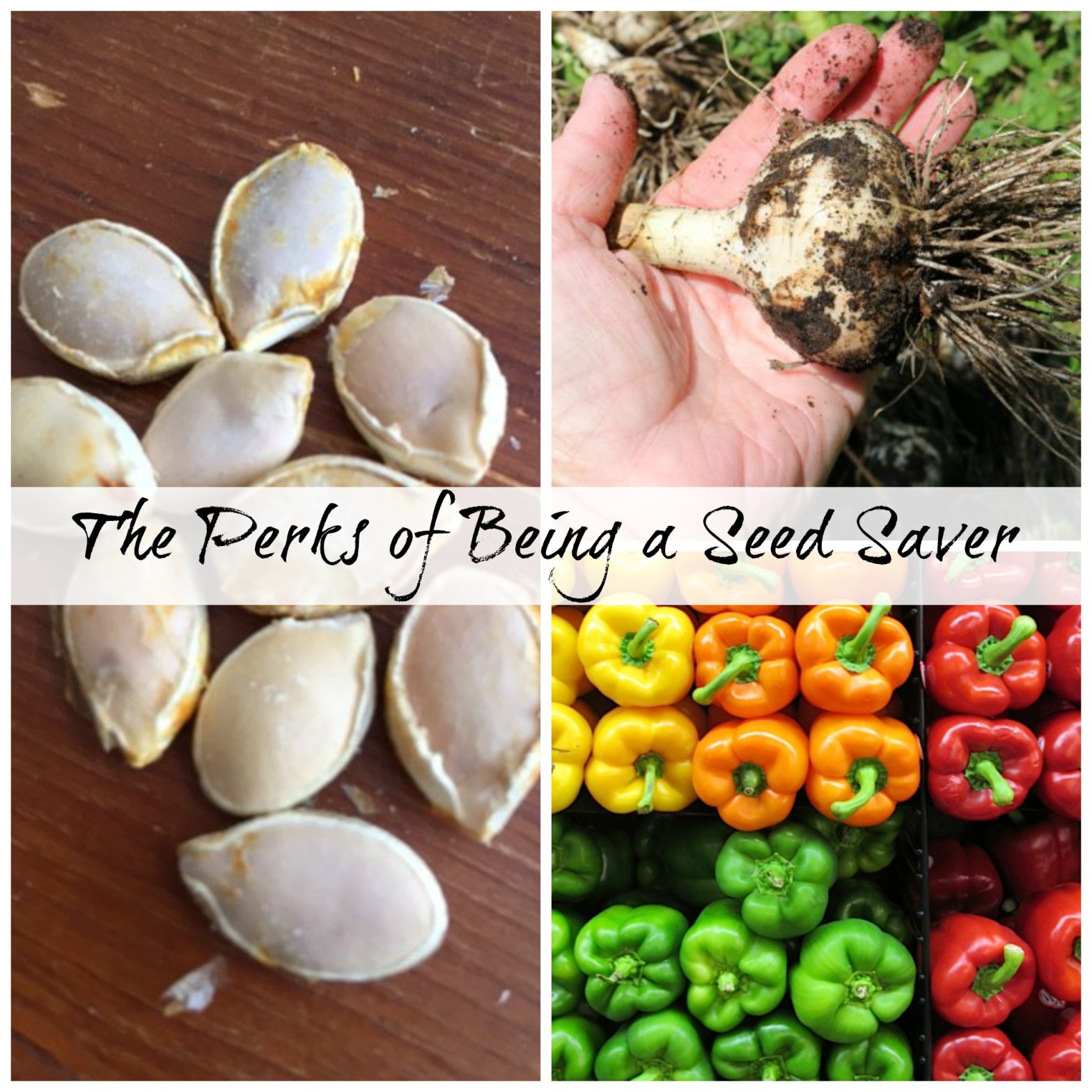
I have been interested in being a seed saver for many years. You may wonder what the perks of being a seed saver are? When you think of extinction you probably don’t think picture lettuce, tomatoes or cucumber being at risk. Believe it or not, many crop varieties today are in danger of going the way of the dodo bird.
If you were a gardener in the early 20thcentury, you would have been able to flip through a seed catalog and choose from hundreds of varieties of each fruit and vegetable. Now, unless you are looking at a catalog put out by seed savers, you will find your choices are much less. Many of the seeds available just thirty yeas ago are no longer available commercially.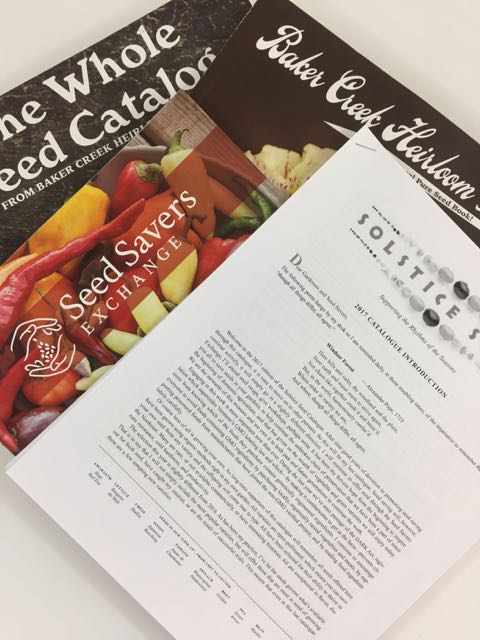
What happened was we shifted from being seed savers to seed buyers. Over most of the agricultural history seeds were the concern of small farmers and home gardeners, who would let some of their plants produce seed in the fall, save that seed over the winter, and plant it the following spring. Seeds were considered a public resource and traded freely among people.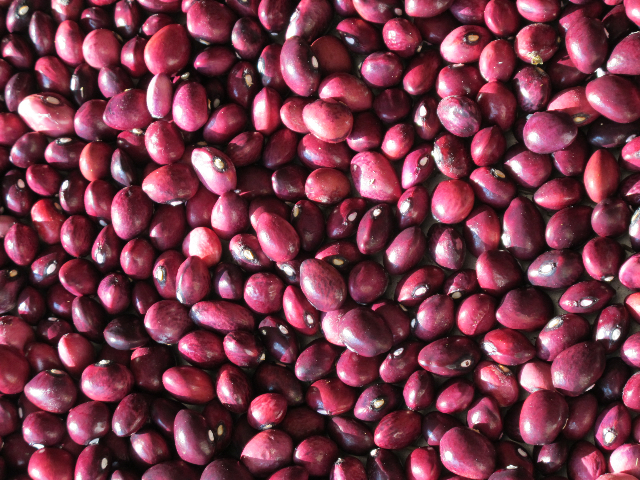
Over the last century, however, we have become increasingly dependent on a small handful of corporations for acquiring seed. These companies focus on fruits and vegetables that will withstand transportation and look good in the grocery store; they are not concerned with preserving the crops of the past. Due to privatization of seeds, fewer old varieties are being grown and as a result our food system has been weakened. Without the genetic diversity there once was in seed, we are relying on a small number of crops to feed a lot of people. And as we know less biodiversity means greater potential for collapse.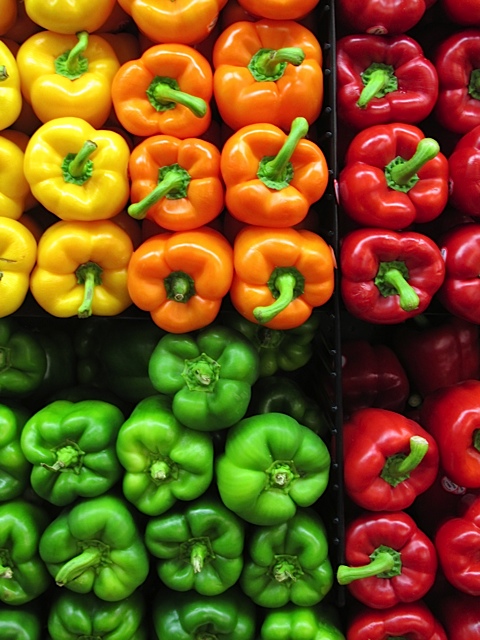
What can you do? Try seed saving in your own garden. The best way to keep heirloom fruit and vegetables alive is for more people to grown them. First off, you’ll need some open pollinated seeds that will produce plants identical to the parent. Do not use hybrids; hybrids are a cross between two parents and the next generation will not produce true. The easiest crops to start with are tomatoes, lettuce, peas and beans because they are self-pollinating and therefore will not cross within the species.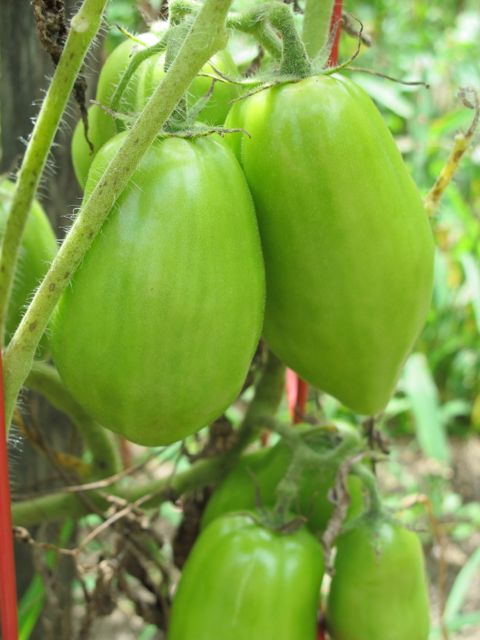
There are many good recourses out there to help get you started. The Seed Savers Exchange has a great website with instructions for beginners. If possible find a local seed saver, when we lived in Vermont Solstice Seeds was a great resource. I knew all the seeds they sold would grow in my garden. Now that we are living in the state of Washington I will have to find new resources and continue to save my own seeds! 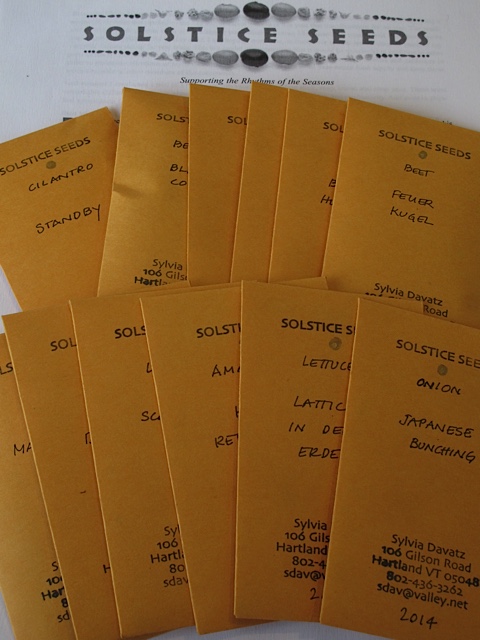
The perks of being a seed saver will allow you to separate yourself from the industrial agriculture model and take control of your food in a sustainable way. It will also enable your crops to adapt better to your specific garden site. Because you will be selecting seed from your best performing plants, the traits you find most appealing will be magnified. I would replant my garlic each year and after five years I had bulbs that had a good taste and had about four cloves to a bulb. Just what I liked in a garlic.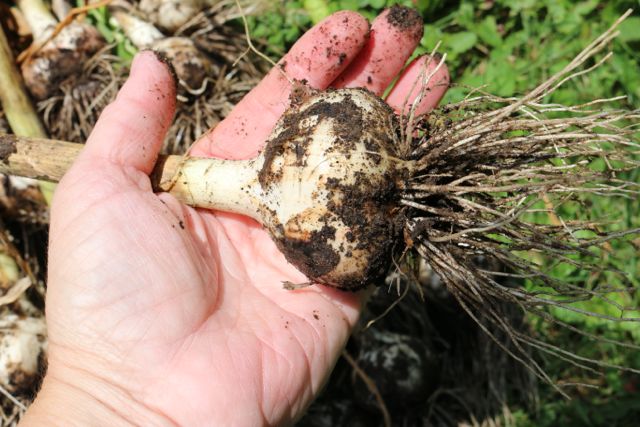
Seed saving is what gardeners before you have done for centuries. By saving and planting seed, you will be participating in an ancient tradition and doing your part to preserve history.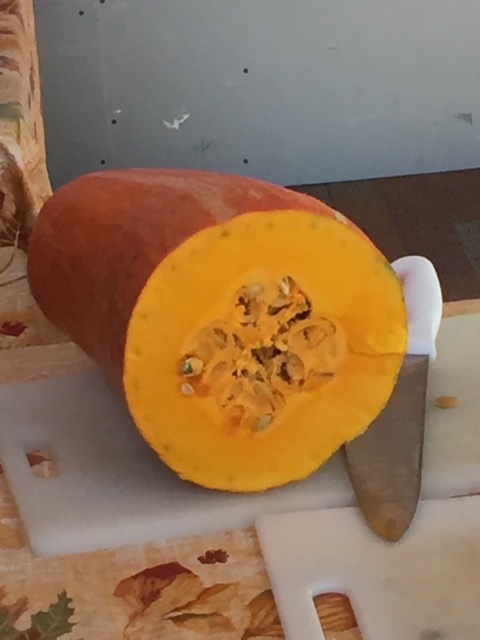
Follow our Pinterest Board for Self Reliance Challenge posts.
Stop By & Visit The Self Reliance Challenge Bloggers…
Kathi – Oak Hill Homestead
Nancy – Nancy On The Homefront
AnnMarie – 15 Acre Homestead
Farmgal – Just another Day on the Farm
Candy – Candy’s Farm House Pantry
Kristi – Stone Family Farmstead
Marla – Organic 4 Greenlivings
Heidi – Healing Harvest Homestead
Victoria – Modern Homestead Mama
Shawna – Homegrown Self Reliance
Stephanie – Happily Homegrown
Bethany – Family Growing Pains
Dianne – Hidden Springs Homestead
Julie – The Farm Wife
Lacey – Home & Harrow
Robin – A Life in the Wild
Sheri Ann – Experimental Homesteader
Lisa Lynn – The Self Sufficient HomeAcre
 Nancy on the Home Front
We sure do need more seed savers, thanks for sharing on the Homestead Blog Hop!
LikeLike
I agree Lesa!
LikeLike
A very good eye-opener post to every gardener out there. I will start saving different seed varieties in order to have a sustainable gardening venture.
LikeLike
Addy,
I strongly encourage people to be a seed saver!
LikeLike
I can recall many of my own family members doing just this thanks so much for sharing
come see us at http://shopannies.blogspot.com
LikeLike