You may have heard of the Cake Doctor before, a series of cookbooks where every recipe is based on a boxed cake mix. My husband is the Soup Doctor! He can take a plain package of Ramen Noodles and turn it into an amazing egg drop soup with just a few simple ingredients. Perfect for those lunch or dinners where you just want a quick, delicious meal. Here is the soup doctor’s egg drop soup recipe!
The Soup Doctor’s Egg Drop Soup
Ingredients:
One package of ramen noodles (follow basic directions on back of package).
The doctor’s additions:
one egg
1 heaping tsp garlic, chopped
1 heaping tsp ginger, chopped
2 scallions finely chopped
2 Tbsp soy sauce
2 Tbsp rice vinegar
1 Tbsp sesame oil
¼ tsp black pepper
6-12 drops of chili oil to suit taste
Directions:
This recipe feeds two but you can easily double the amounts to feed 4 people. These amounts are approximate as my husband doesn’t measure from bottles.
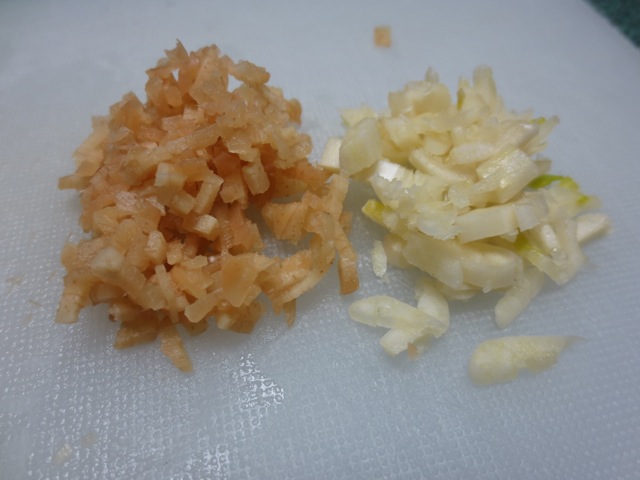
Chop equal amounts of garlic and ginger, roughly a heaping teaspoon each and set aside.
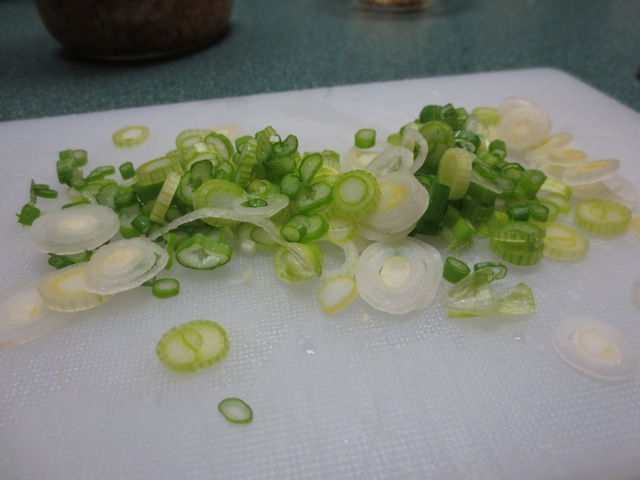
Trim and finely chop two scallions.
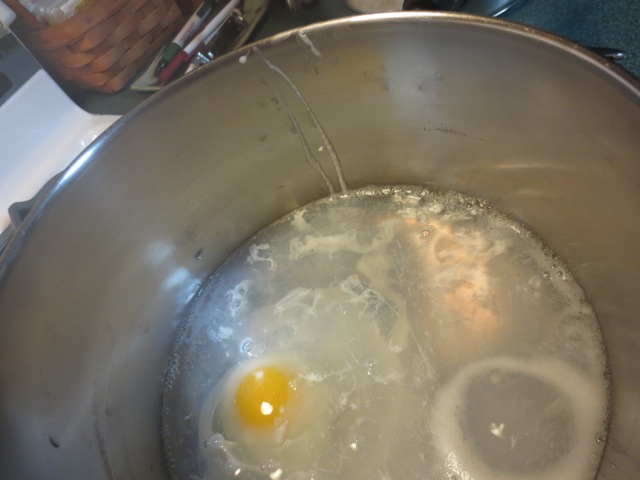
Boil 2 cups of water, and drop in one large egg. Stir quickly with a fork to break up yolk.
Add the ramen noodle seasoning packet and stir to dissolve.
Then add garlic, ginger, scallions, and noodles. Once the noodles begin to soften add the soy sauce, rice vinegar, sesame oil, black pepper, and chili oil. Turn down heat to simmer. Cook noodles until done – about 2 mins.
Serve hot and enjoy!
Last year I took part in a Raw Dairy Processing class at Earthwise Farm. It was taught by a local farmer who raises heritage turkeys, heritage pigs and dairy cows. It was a fascinating class and in the course of the afternoon we made ricotta, yogurt, butter and Fromage Blanc. I also learned that making Fromage Blanc at home was so easy!
Making Fromage Blanc at Home
Fromage Blanc is a creamy cheese that may be used in place of cream cheese in any recipe. It has a smooth consistency and takes only a few minutes of work to make it. Once the cheese is properly drained salt and herbs may be added to taste. The cheese is then refrigerated until ready for use. It will keep about two weeks in your refrigerator.
Ingredients:
One gallon of milk,
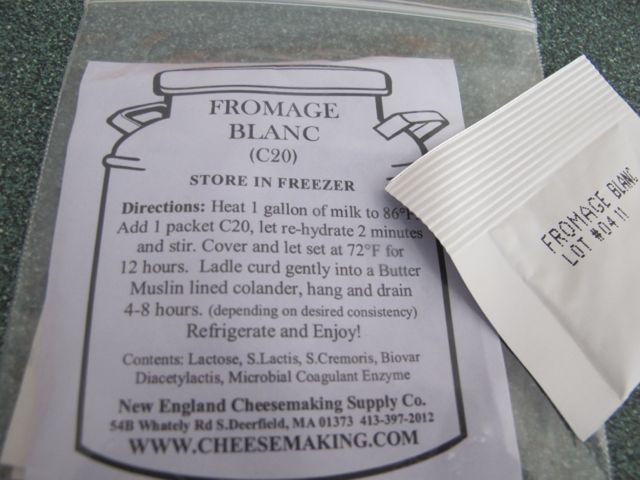
One packet of Fromage Blanc culture.
I purchase all my cheese making supplies from www.cheesemakingsupplies.com. Not only do they carry anything you might need to make cheese but also it is a wonderful resource.
Directions:
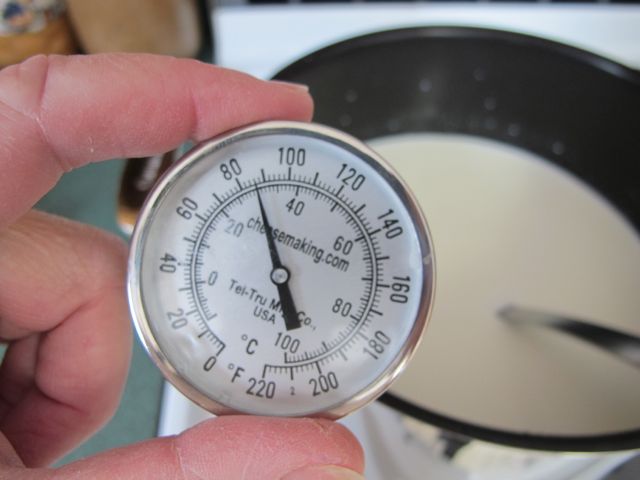
Heat one half to one gallon of milk to 86 degrees.
Add and mix in one packet of Fromage Blanc culture and mix it thoroughly. Cover and allow the milk to set at room temperature for 8-12 hours or until the milk has set into a thick custard-like mass which is called curd.
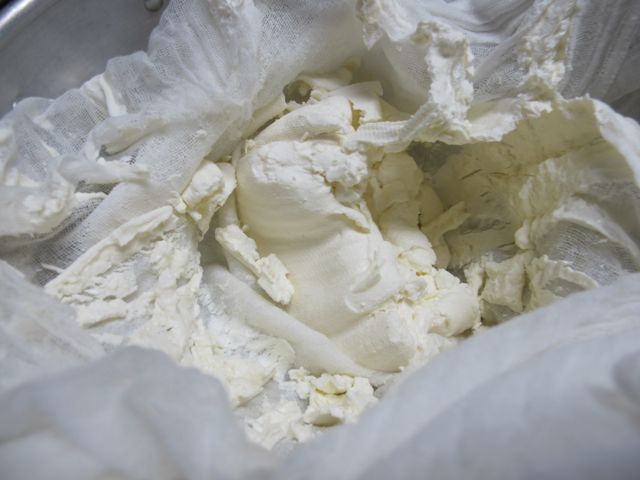
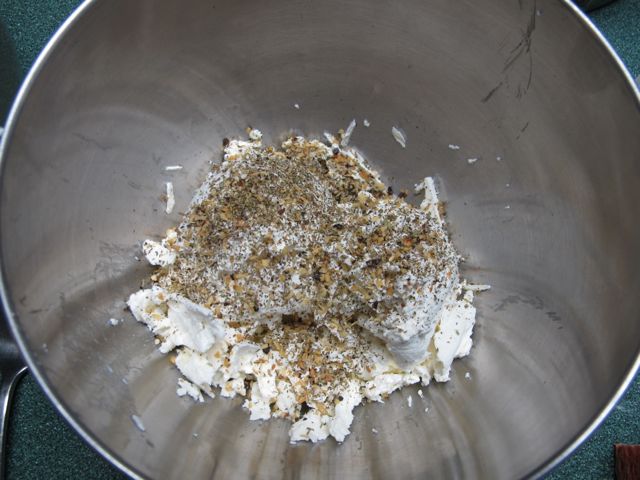
Ladle the curd gently into a butter muslin lined colander, hang and drain for 4-12 hours. The longer you drain the cheese the dryer it will be. Once the cheese is properly drained it is placed in a bowl.
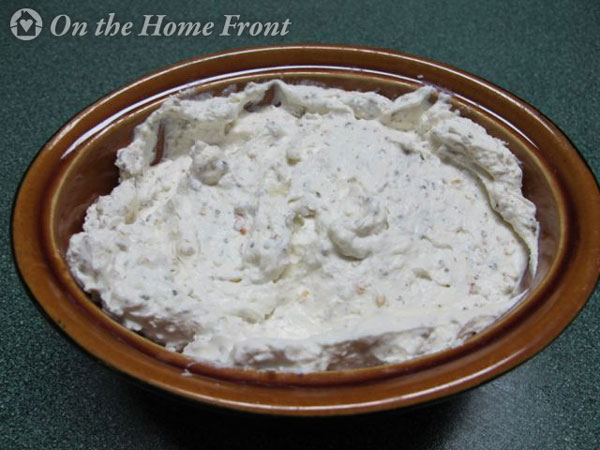
At this point salt and herbs may be added to taste.
Keep the cheese in your refrigerator until ready to use. It will keep for up to two weeks.
If you are interested in learning how to make cheese at home one of the best books is Ricki Carroll’s book “Cheese Making”. It is full of recipes and information to help you be successful in your cheese making.
Just like taking an inventory of your freezer you want to keep track of your seeds as you plant them and your seedlings as they are transplanted. I have to admit that I am not always the best at keeping track of my plants! I usually start out well, but by the time I get things moved into my garden I have my master plan but don’t always follow it! Each year I am determined to do a better job than the previous year.
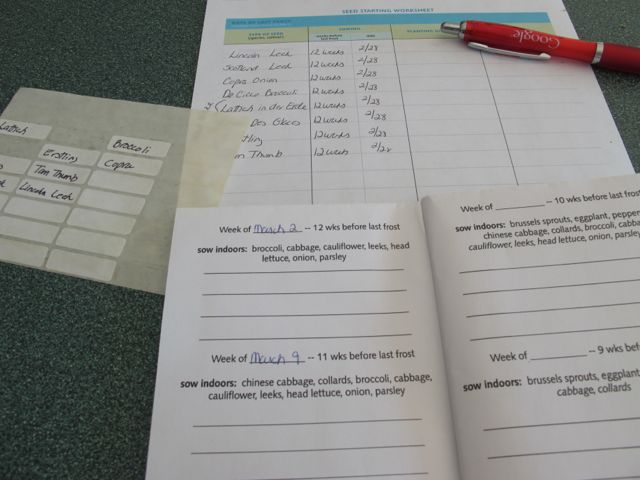
One of the tools that has really helped me is a free download off the Internet. One of my favorite blogs, Little House In the Suburbs puts it out and it is a little booklet that you put together yourself. You can use it to keep track of when you start your seeds and make notes as you go along. I will mark down what seeds I plant and then make notations as to when they sprouted and when I transplanted them.
Techniques to keep track of your seedlings.
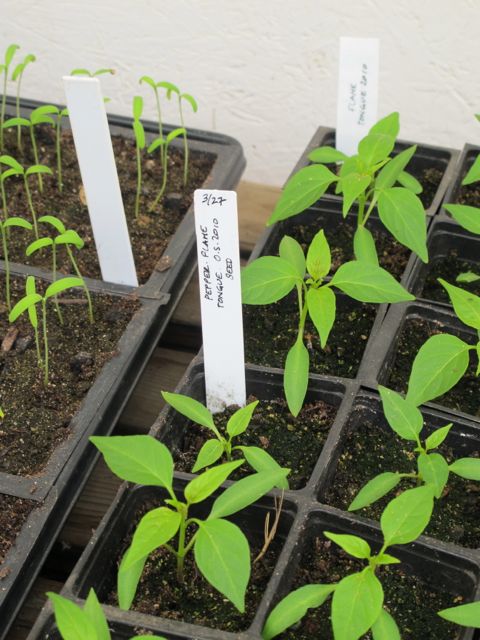
Another tool I use is little stickers. I mark each container as to what seeds are planted and when I transplant my seedlings into individual pots I mark each pot with a sticker with the name of the seedling. That way when I have dozens of tomato seedlings I can tell which ones they are. This is very helpful when it comes time to moving the seedlings outside. When I move the plants into the garden I use wooden sticks that look like large Popsicle sticks to keep track of what I plant where.
Use stickers to help keep track of your seedlings.
Last year I took a seed saving class and the teacher of that class was one of the most organized people I’ve ever met. Of course if you are raising plants with the intent to save and sell the seeds you must be organized. She keeps a large notebook and keeps track of everything from where the seeds were purchased to germination dates and harvest dates. Even each seedling is marked with information.
There are many ways you can use your freezer to save money. The first step is to make sure you are using your freezer efficiently. I contacted our local electric company and these are some of the tips they shared with me.
Local Electric Company
Keep the temperature inside your freezer at 0-5 degrees F.
Keep extra, freestanding freezers in a basement or garage that stays above 45 degrees. Extreme cold can disrupt the function of refrigerants.
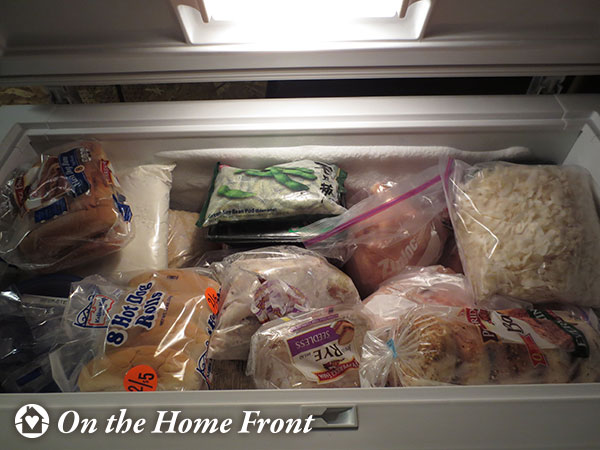
Keep the freezer stocked. A full freezer is an efficient freezer and keeps food frozen longer during a power outage.
Keep your freezer full!
Make sure your freezer door closes and seals properly. A proper seal holds a dollar bill snugly.
Avoid putting hot foods directly into the freezer. Let them cool to room temperature first.
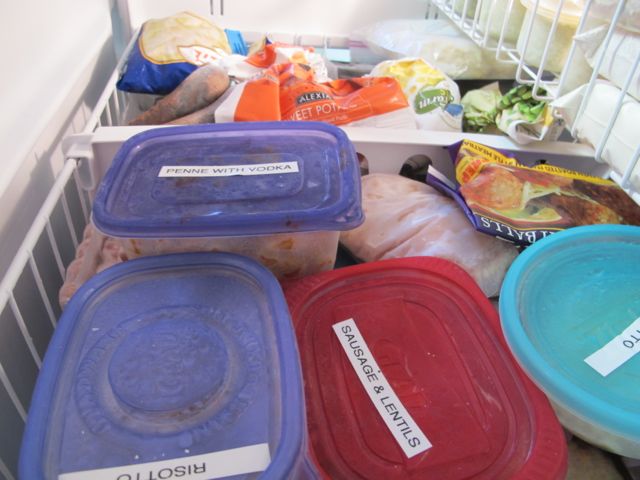
Label items in the freezer so that you can identify them quickly. Know what you are going to get before opening the freezer door.
Label the food in the freezer.
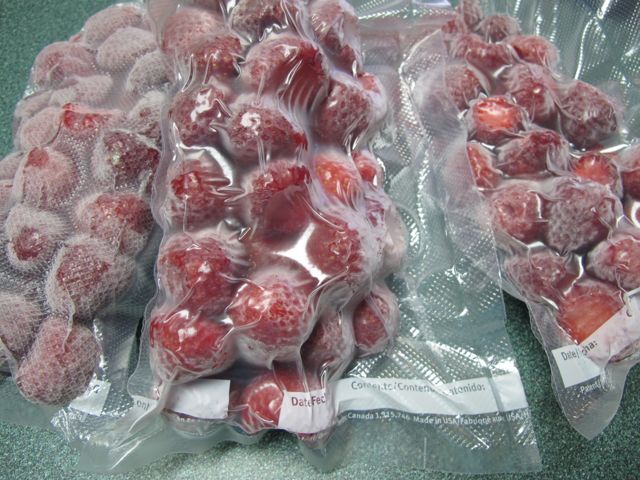
Once your freezer is running efficiently you can use it to have money. Before you start filling your freezer take an inventory so you know what’s in there! Plan meals using up the items that have been in your freezer for while. Once your freezer is cleaned, organized and you’ve taken an inventory, you can start taking advantage of the sales. Buy meats and other frozen items when they are on sale and stock up. Use proper techniques to freeze the foods and they’ll taste just as good as when they were purchased.
Use proper techniques to freeze your food.
You can also double recipes that you make for your family and freeze another meal. You never know when you might need one! Perhaps you know a young mom that has her hands full with a new baby. Maybe a new family just moved into the neighborhood. It’s nice to have something on hand no matter what the occasion.
Freeze extra meals.
Find a local farmer who raises beef and get a couple of friends together to purchase a side of beef. We have a group of friends that we buy a cow from every year. It’s nice to know where your food is coming from and how it was raised.
These are just a few ideas you can use to save money with your freezer. How do you use your freezer to save money?
I have been very blessed to have children that love to cook. My oldest daughter made this delicious dinner for us when she was visiting recently. It was an adaptation of a Weight Watchers recipe she had found online. The original Penne and Chicken with Vodka Sauce recipe did not include chicken. I imagine it would freeze well but it did not last long enough for us to try!
Penne and Chicken with Vodka Sauce
Ingredients:
1 Tbsp butter
½ cup chopped shallots
2 medium cloves of garlic, minced
2 Tbsp parsley, minced
½ tsp salt
¼ tsp black pepper
3 Tbsp tomato paste
2 oz vodka
1/8 tsp salt for cooking pasta
12 oz uncooked penne (I used whole wheat)
½ cup heavy whipping cream
20 leaves of fresh basil cut into ribbons
1-2 pound of boneless chicken, cut into cubes
Directions:
In a large skillet cook the chicken in 1 tablespoon of butter until well done.
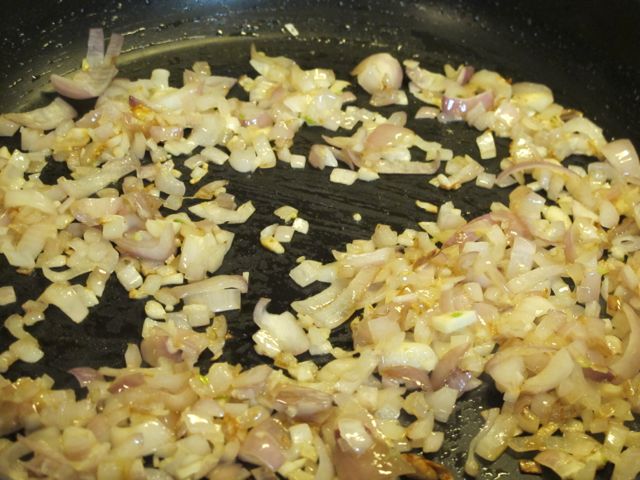
Remove and keep warm. Bring a large pot of salted water to a boil. Cook pasta according to the package directions and drain. Heat a large skillet over medium low heat. Add butter, shallots and garlic and sauté until the shallots start to caramelize.
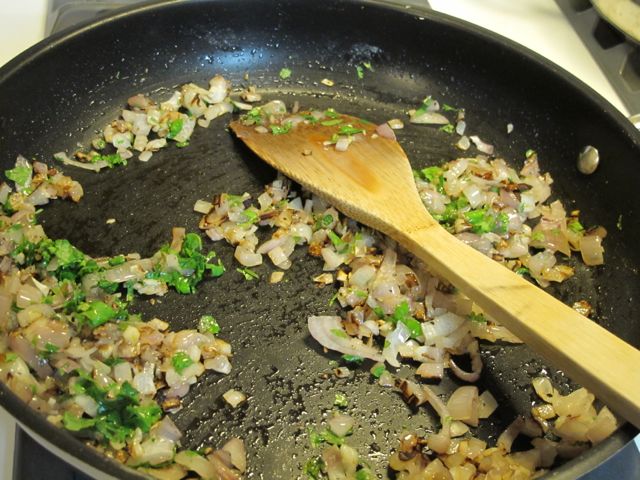
Add parsley, salt and pepper and stir.
Add the tomato paste and mix to form a paste. Cook for about 5 minutes stirring occasionally.
Add the vodka; continue stirring for about five minutes more. Add cream to the tomato sauce, reduce heat and simmer for about 3 minutes. Add the cooked chicken and stir until well coated. Add pasta to the sauce and mix to coat, top with the basil and serve.
What is a cultured food? “Cultured” essentially means fermented – the chemical process of breaking a complicated substance down into simpler parts, usually with the help of bacteria, yeasts or fungi. Some of the more common fermented foods are yogurt and sauerkraut.
There are many reasons to eat fermented foods. They improve digestion. Fermenting our foods before we eat them is like partially digesting them before we consume them. Fermented foods restore the proper balance of bacteria in the gut. Eating fermented food helps us to absorb the nutrients we’re consuming. Fermenting food helps us to preserve it for longer periods of time. Milk will go bad in the fridge but yogurt lasts a lot longer. Fermenting food often increases the flavor and is inexpensive.
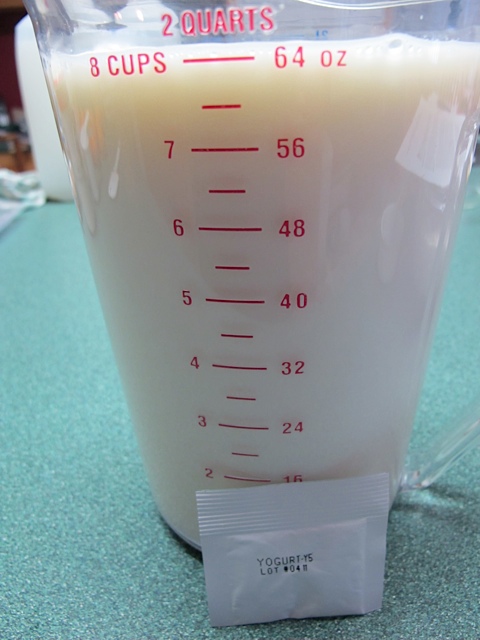
You can purchase yogurt in the store, but did you know it is very easy to make at home? You don’t need any special equipment. You need milk and culture. I purchased my culture from www.cheesemaking.com. You don’t need to use raw milk, you just do not want to use the ultra pasteurized milk.
Only two ingredients needed.
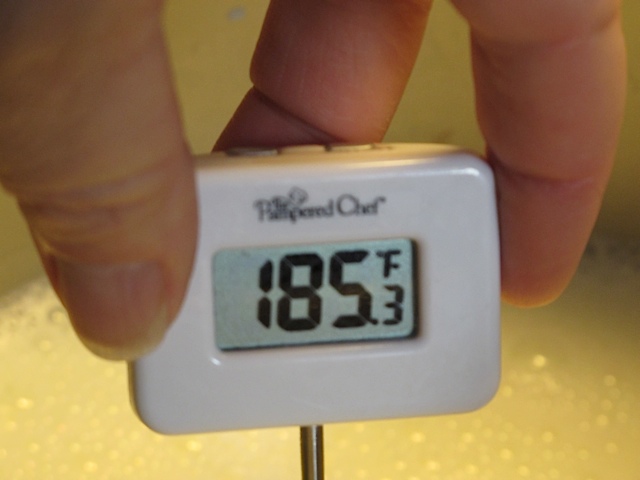
Here are the simple directions. Pour ½ gallon of cold milk into a heavy stainless pot for heating. Heat the milk to 185 degrees and then hold it there for 10-20 minutes.
Hold the mixture at 185 degrees.
This will prepare the whey proteins, which are largely responsible for the thickening of the yogurt body. Set the milk pot directly on the burner and begin heating with careful stirring to prevent the scorching of the milk. Cool the milk as quickly as possible to your target temperature for inoculating the yogurt (116 degrees F). When the milk reaches the proper temperature for inoculation, it is time to add the direct set yogurt culture. The culture will be a mix of Streptococcus thermophiles and Lactobacillus bulgaricus plus and probiotic additions the culture may contain.
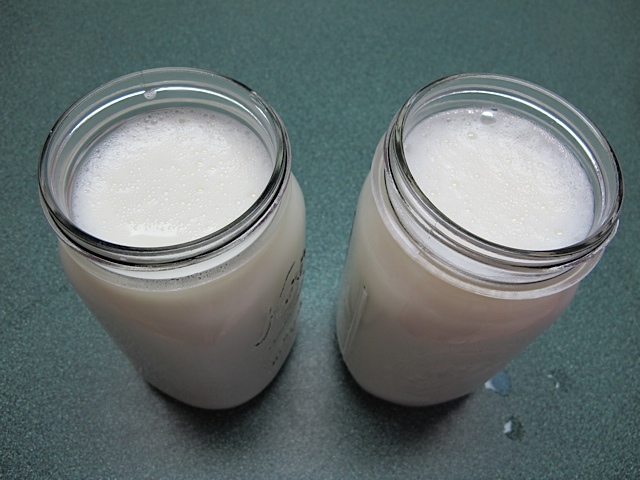
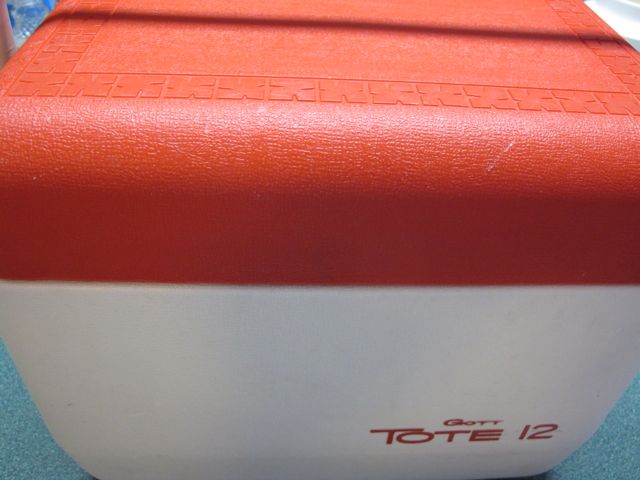
Incubate the cultured milk for the required time. This can be done easily by pouring your cultured milk into containers and placing those containers inside an insulated cooler.
Milk was poured into two quart jars.
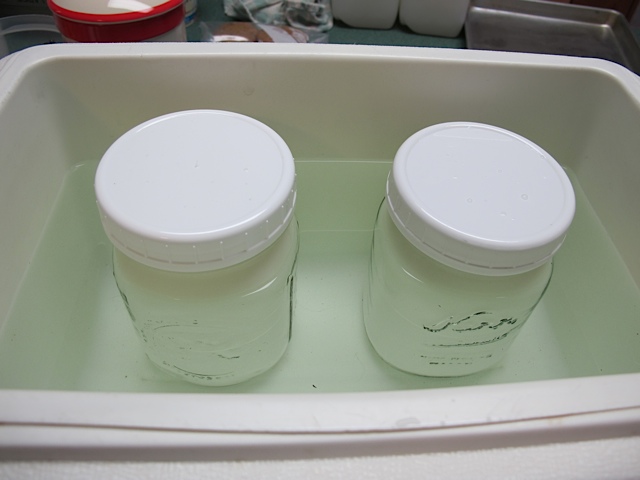
Pour warm water (116 degrees F) into the cooler so that your container lids are just an inch or so above the water line. This “water bath” will maintain the temperature so that the appropriate bacteria will thrive and populate.
Cultured milk in cooler, water up to lids
Place the cover on the cooler. The time of incubation is about 8-10 hours for most yogurt cultures.
Place the cover on the cooler.
Place the yogurt in the refrigerator when the incubation is complete.
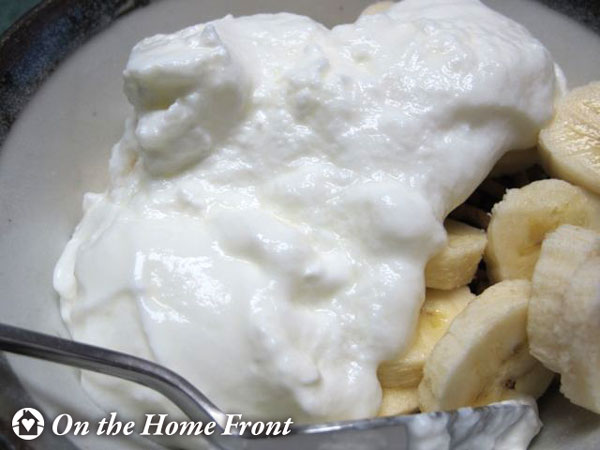
I inoculated my milk, poured it into glass jars and placed them into my cooler. I added the warm water, put the lid on the cooler and let it sit on the counter for 10 hours. Before going to bed I placed the yogurt in the fridge. In the morning I had two containers of plain yogurt ready to enjoy! I have always preferred flavored yogurt but I find this yogurt to be delicious. If you want, feel free to add fruit to flavor it yourself.
For as long as people have been moving around plants and insects have been moving along with them. Often we focus on the invasive insects but today I’m talking about invasive plants. What is an invasive plant? Invasive plant is a name for a species that has become a weed pest, a plant which grows aggressively, spreads and displaces other plants. Invasive plants tend to appear on disturbed ground, and the most aggressive can actually invade existing ecosystems. They are difficult to control, can escape from cultivation and can dominant whole areas. They are expensive to control and environmentally destructive.
Frequently invasive plants were initially beneficial and only became invasive once their usefulness to humans declines. European settlers brought dandelions to the new world as a source of food and medicine, but interest or knowledge of their original use has declined; they are generally considered a weed.
Dandelions
Well-intentioned horticulturists wishing to expand their gardening options introduced many other invasive plants, but when these plants escaped into the forests and fields, they became a costly headache. There are many shrubby honeysuckle species that are an example of this.
Shrub Honeysuckle
Weather and climate play a role in the spread of invasive plants as well. Tropical Storm Irene caused enormous damage to Vermont towns, roads and farms and did her share of spreading weeds along our streams and rivers.
Flooding from Irene.
Japanese knotweed, which spreads primary by movement of pieces of roots and stems in soil, in now showing up along riverbanks where it was previously unknown, due to riverbank erosion and downstream movement of these plant parts during the flooding.
Japanese Knotweed
Many of the state university’s offer information on the invasive plants in your area. The State of Vermont, UVM extension Services, and The Nature Conservancy jointly maintain a website with information on invasive pests, the threats they pose to our economy and environment and identification and control tips. The website is accessible at vtinvasives.org, this is a great starting place for those interested in learning more about these threats, their history, and what we can do to prevent their introduction and control their spread and how to get in touch with others working on the invasive species problem.
One of the best deals for today only is that the Prudent Living Market is offering FREE shipping today, March 5, only. If you’ve had your eye on something in the market today is the day to purchase!
In many parts of the country it still feels like winter. Even though it still feels like winter, home improvement centers haul out air conditioners in March and put them on sale.
Air conditioners often go on sale n March.
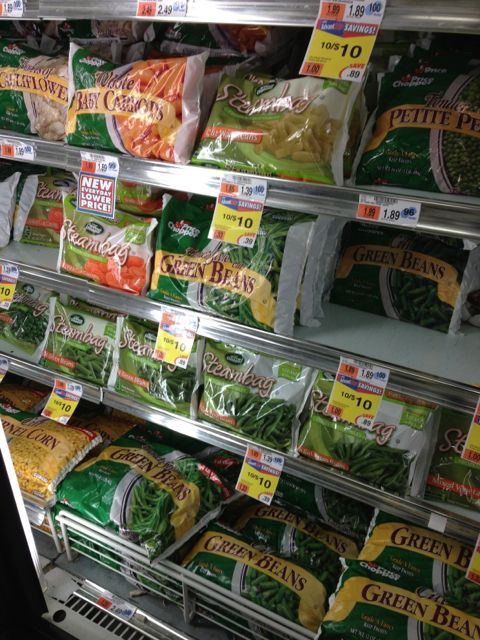
Other bargains to look for are winter sporting equipment and strangely enough, frozen foods. March is National Frozen Food month so plan to fill your freezer with great bargains from Birdseye and other frozen retailers.
Frozen Food Month
You can also find post-St. Patrick Day sales with items that would tickle the fancy of Irish folks on your Christmas list. Look also for green items such as tablecloths that could also work for Christmas.
You can often find deals on green tablecloths in March.
As the garage and rummage sale season gets underway, watch for “new” gifts like small appliances still in their boxes or nice items of clothing with their sales’ tags still intact. It’s amazing what you can find when you keep your eyes open.
I am not a big fan of leftovers – however, if I can combine leftovers together and make a new meal I am all for it. Several weeks ago I made a large batch of Lentil Soup. I put some aside in the freezer.
Lentil Soup
Last week I made a Sausage Lentil Casserole for dinner.
Sausage and Lentils
It was delicious. One of my favorite soups is to combine the leftover Sausage Lentil Casserole with some of the Lentil Soup.
Combining leftovers!
Viola a new soup – Sausage Lentil Soup. Quick, easy and delicious and uses up two of the leftovers on hand! Serve with a salad and some bread and you have a perfect dinner.
According to Bankrate.com, 9.6% of customers switched banks in the past year. The reasons vary but there are certain indicators, which might indicate that you should leave your current bank.
Check your bank’s status on the Federal Deposit Insurance Corp’s website, this firm provides debt resolution and other financial services. There you can make sure your bank is maintaining it’s FDIC insurance. If your bank is not maintaining its FDIC insurance, consider it a red flag. If anything happens to the bank your money will not be insured.
Federal Deposit Insurance Corporation
Keep an eye on the fees your bank charges you. Many of the larger banks are trying to increase their revenue to offset the loss of credit card fees. You may see new charges popping up, such as fees on debit cards and checking accounts. In which case you might be able to find a smaller local bank with lower costs.
Keep an eye on those bank fees!
Make sure your bank is fitting your lifestyle perfectly. You may be traveling more and need a bank with a national presence with more branches. Or maybe you need a bank with extended hours.
How is the customer service at your bank? If you are unhappy with the way you are being treated you can certainly do something about it! Find a bank that has good customer service.
How is the customer service?
How is your bank on technology-based offerings? If it is important to you to have your account information available at any time find one with a wider array of online and mobile banking options. Some banks will even alert you when your balance has reached a certain amount or when a new statement is available. You may also be able to pay bills online, order new checks and transfer funds between accounts.
You may be perfectly satisfied with your bank but just like keeping an eye on your household budget it is also important to keep an eye on your bank and be satisfied with your relationship. Make sure your money is staying in the bank and not being used for ever increasing fees.


























 Nancy on the Home Front