Recipe Box: Pesto-Spinach Lasagna

A few days ago I made some homemade mozzarella and ricotta. Since these cheeses are best used while they are fresh I decided to make another one of our favorite lasagnas, pesto-spinach. I adapted a recipe I found on the epicurious.com web site. I made two small 8×8 lasagnas so I could freeze one. They freeze beautifully.

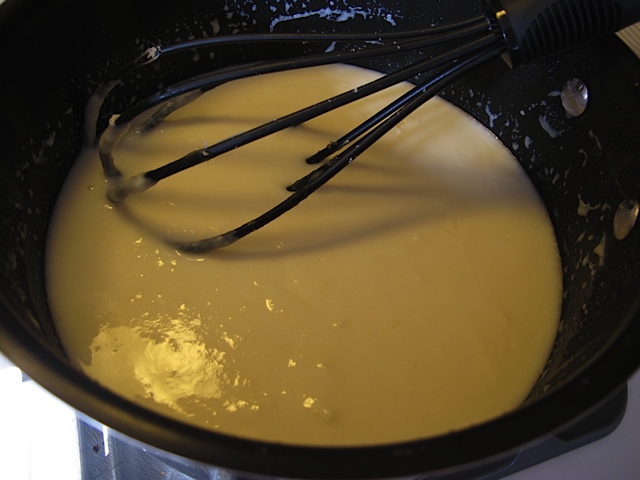
First make a white sauce:
lasagna, prudent living
White sauce


2 Tbsp butter
¼ cup flour
2 ½ cups dry white wine
1 cup freshly grated Parmesan cheese

Melt the butter in a heavy saucepan over medium heat. Add flour and whisk for one minute. Add milk and wine and whisk until smooth. Cook until the sauce thickens and comes to a boil, whisking constantly.  Remove from heat. Whisk in Parmesan cheese and salt.

For the spinach:
2 Tbsp olive oil
1 1/2 cup chopped onions
4 large garlic cloves, finely chopped
2-10 oz packages of frozen spinach, drained well

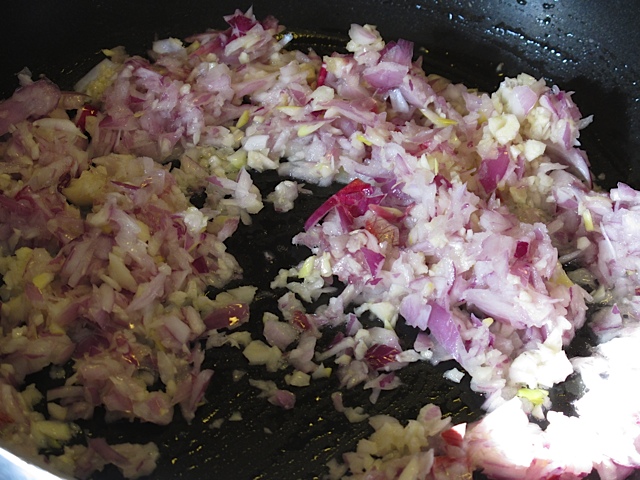
Heat the oil in a separate pan. Add onions and garlic.
onions, garlic, saute
Saute onions and garlic.

Sauté until the onions are soft, about 2 minutes. Add the spinach stir until well mixed. Mix in 1 ½ cups of the white sauce.

spinach lasagna
Add spinach to onions and garlic.

For the lasagna:
Lasagna noodles
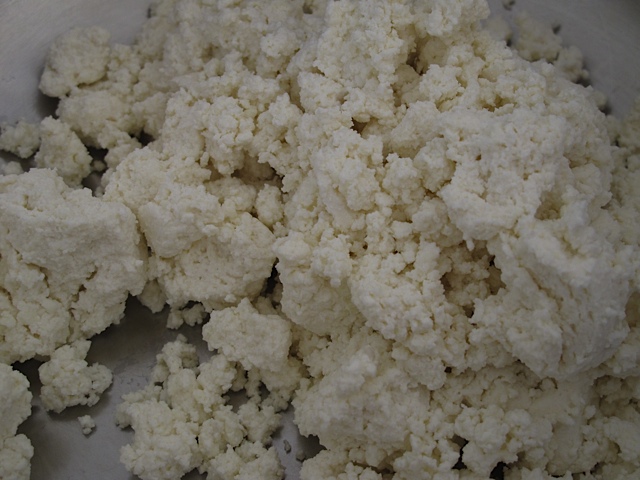
28 oz of fresh ricotta cheese
ricotta, lasagna
Fresh homemade ricotta

1 cup grated Parmesan cheese
1 large egg
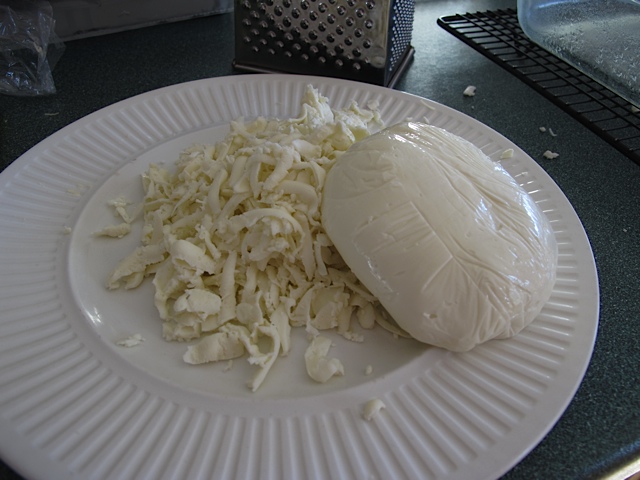
2 cups fresh mozzarella cheese
homemade cheese, mozzarella
Fresh homemade mozzarella

Herb pesto

Cook the noodles according to the package directions. Preheat oven to 350 degrees. Grease a 13x9x2 inch-baking dish (or use two 8×8 pans).

Mix ricotta and Parmesan together. Mix in egg.

Spread ½ cup white sauce thinly over the bottom of the dish. Spread half of the spinach mixture over and sprinkle with1/3 of the mozzarella. Top with noodles and half of the ricotta mixture. Sprinkle half of the pesto mixture evenly over the ricotta. Continue layering with noodles, remaining spinach mixture, 1/3 cup mozzarella, noodles, remaining ricotta mixture and then remaining pesto. Top with the last noodles. Spread remaining white sauce over the top, sprinkle with mozzarella. Cover the dish with a piece of buttered foil.

Bake lasagna until heated through and bubbling at the edges, about 50 minutes. Remove from oven and remove the foil.

Remove foil. Broil lasagna until top is browned in spots, turning dish occasionally for even browning, about 4 minutes. Let stand a few minutes to set up.

Serve and enjoy.
homemade lasagna, recipe box
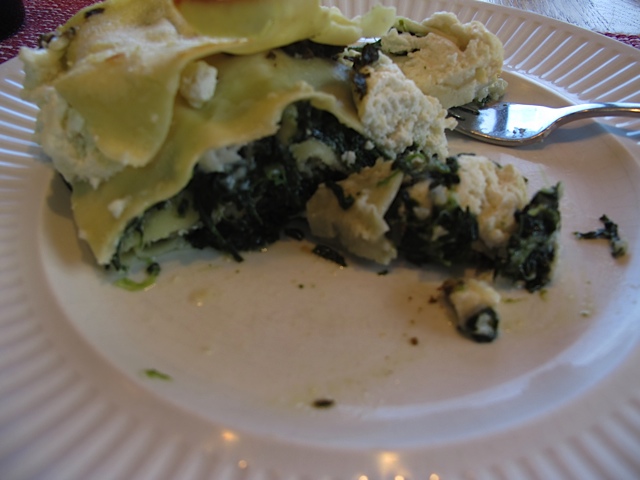
Pesto Spinach Lasagna


Linked to Make Ahead Meals For Busy Moms Make-Ahead Meals for Busy Moms

Linked to FrugalFollies.com Cheap Recipes and Money-Saving Tips

Prudent Pantry: Canning Questions

Recently I’ve been getting questions regarding canning. As we gear up towards the time of the year when people tend to do more canning I imagine I will be getting more questions. If you have a question, feel free to post it in the comment section.

People have been canning for generations. Although it is no longer a necessity to can our food it is an opportunity to take control of the food you and your family consume. Abundant fresh fruits, vegetables, meats, poultry, and seafood can be enjoyed all year. You’ll always be certain of the quality and freshness of the food in your pantry. You can take advantage of the growing season when fruits and vegetables are fresh from harvest and fill your pantry with your own canned produce.

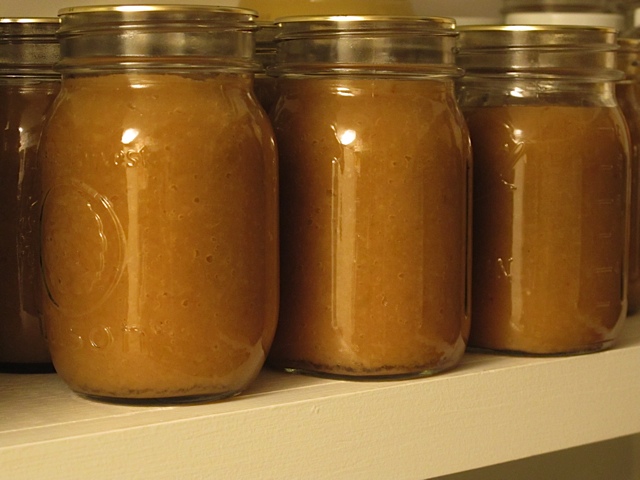
home canning, prudent living, applesauce
Home canned applesauce.


The key to successful canning is understanding the acidity and spoilage factor of food you wish to can, as well as the acceptable methods to process those foods. There are two types of food, categorized as low acid (vegetables, meat, poultry, and seafood)

home canning, beans
Home caned green beans.

and high acid (fruits and tomatoes).

home canning, prudent living
Salsa, pickles, relish and pickled beets.
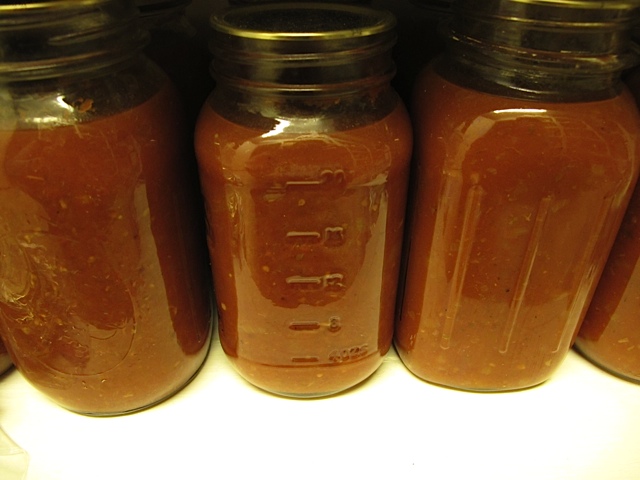
home canning, prudent pantry, prudent pantry
Home canned tomato sauce.

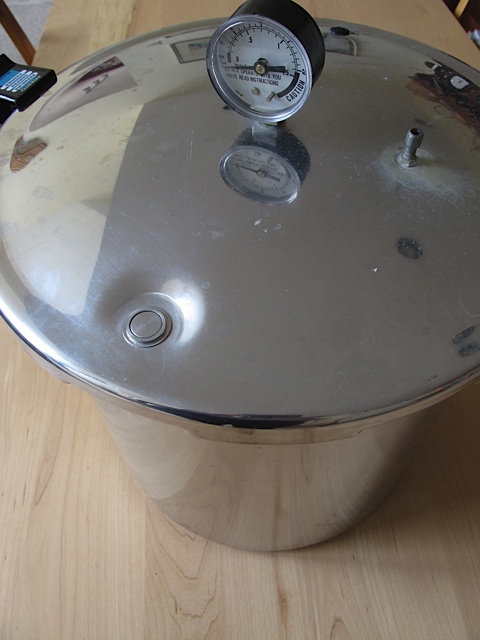
Pressure canning successfully cans both. Pressure canning is the only method recommended safe for canning low-acid foods according to the United States Department of Agriculture. The boiling water method is another recommended way of processing, however this method is only acceptable for some foods. Always follow the processing method stated in the recipe.

pressure canning, home canning
Pressure canner.


Invisible microorganisms are present all around us. Vegetables, meat, poultry, seafood and fruits naturally contain these microorganisms. They are not a problem unless food is left to sit for extended periods of time, causing food spoilage.

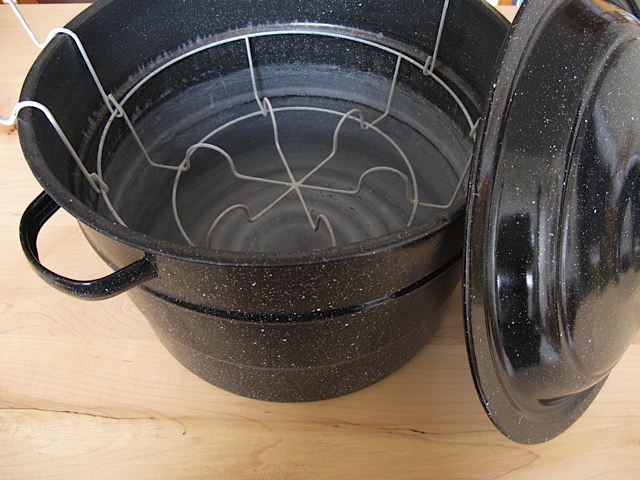
There are four basic agents of food spoilage – enzymes, mold, yeast and bacteria. Canning will interrupt the natural spoilage cycle, so food can be preserved safely. Molds, yeast, and enzymes are destroyed at temperatures below 212 degrees F, the temperature at which water boils. Therefore boiling water processing is sufficient to destroy these agents.

home canning, water bath canning
Water bath canner.

Bacteria, however, are not as easily destroyed. The bacteria, Clostridium botulism produces a spore that makes a poisonous toxin, which causes botulism. This spore is not destroyed at 212° F. In addition, bacteria thrive on low acids in the absence of air. Therefore, for a safe food product, low-acid foods need to be processed at 240° F. This temperature can only be achieved with a pressure canner.

The question I received was whether or not a Portuguese Soup with sausage could be processed in a water bath canner. Portuguese Soup would be considered a low acidity food. So the answer is no, anything with meat in it or even beans must be processed with the pressure canner.

My Garden: Gardening Doesn’t Have to be Hard

Feels like winter has returned to Vermont. I feel sorry for all the bulbs that have pushed their way to the surface and the little leaves that are popping. Anxious as I am to get out in the garden I am going to have to be patient. I do have some seedlings to transplant so that will have to do. In the meantime enjoy this video. I thought it was worth sharing. I hope I will still be gardening when I’m this age. Ruth is a real inspiration.

[hana-code-insert name=’Ruth Stoat’ /]

Frugal Tip: Baked Kale Chips

Kale Chips have been around for a while but I never tried them until yesterday. They are so delicious! I am definitely going to try them again, soon. They are very easy to make and in just a short amount of time you can have a bowl of kale chips to munch on. And they are much healthier for you than potato chips!

Take one bunch of curly kale.

kale, snacks, frugal tip
Curly Kale

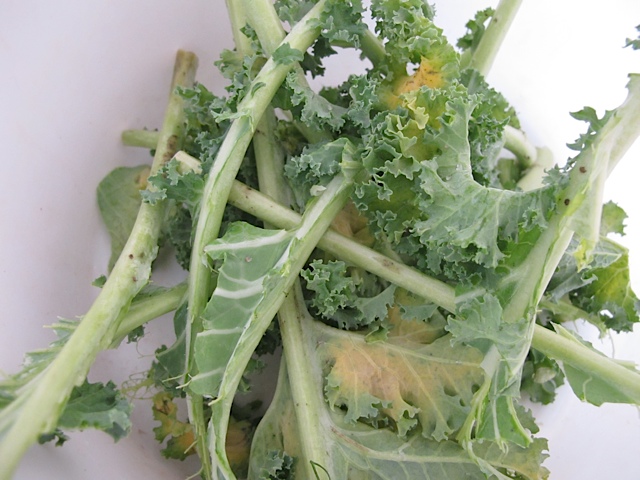
Tear the leaves off the thick stems into bite size pieces. Set the stems aside for your compost or for your chickens.

greens, chickens, compost
Kale stems.

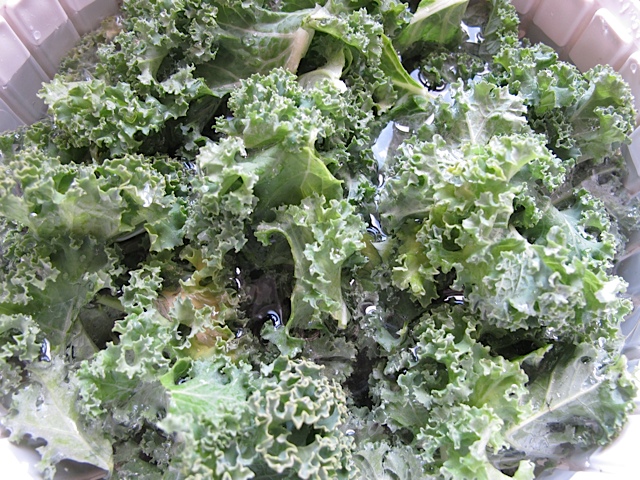
Soak the leaves in a bowl of water to clean and then dry off in a salad spinner.

kale, snack, prudent living
Rinse kale in water.

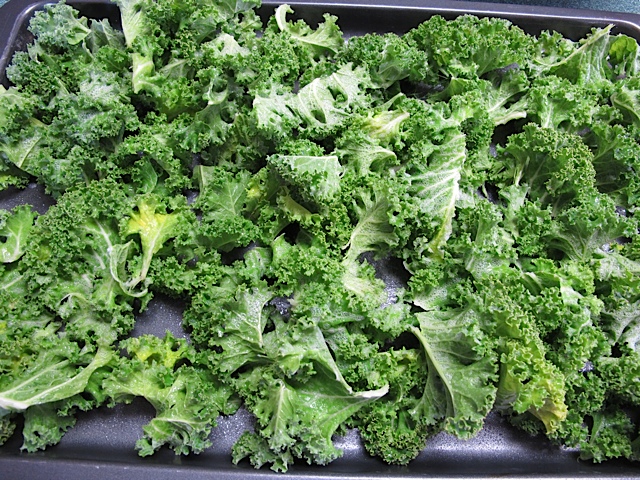
Spread the leaves out on cookie sheets. Spray with some oil (I used spray Pam). Sprinkle with salt or any seasoning of your choice, we have a favorite seasoning called “Nantucket Secret Spice” which I used.

raw kale, snacks
Raw kale on a cookie sheet.

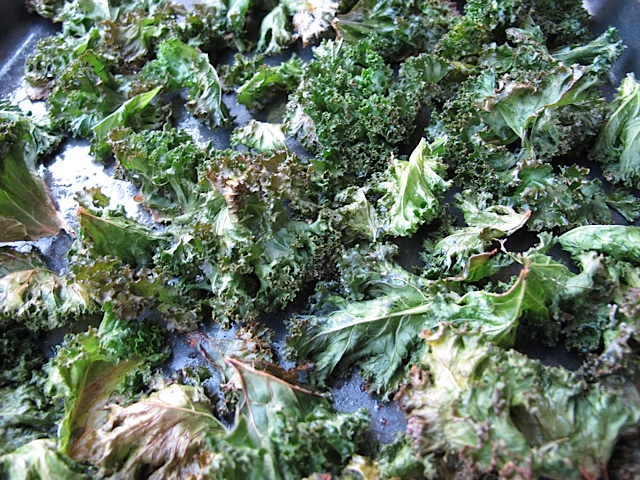
Bake at 350 for about 15 minutes, until the edges are brown and the kale is crisp when moved in the pan.

Enjoy‼ My husband even said “Hey these are GOOD!”

baked snack, kale
Baked Kale Chips.


This post is linked to: NourishingTreasures, Frugal Tuesday Tip.

Asparagus Egg Drop Soup

This Asparagus Egg Drop Soup recipe is light, quick and easy – and so good! Feel free to use any other vegetable if you are not an asparagus fan.

I love finding soups recipes that are simple and come together quickly while at the same time are good for you. Not always easy. Many soups are rich and indulgent. This Asparagus Egg Drop Soup recipe is prefect. In under a half an hour you will be serving this delicious soup.

Asparagus Egg Drop Soup

Ingredients:

1 pound fresh asparagus, trimmed and cut into 1-inch pieces
4 cups reduced sodium chicken broth
¼ cup water
3 Tbsp cornstarch
2 large eggs, lightly beaten
2 tsp soy sauce
½ tsp rice wine vinegar

Directions:

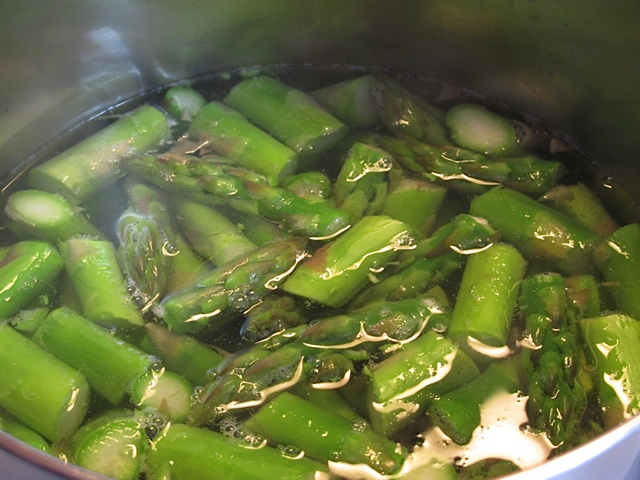
Bring a small pan of water to a boil. Add the trimmed asparagus and cook until crisp tender, about 3 minutes. Drain the asparagus in a colander. Rinse under cold water, drain and set aside.

green vegetable, soup, prudent living

In a separate pan bring the chicken broth to a boil. Whisk together the water and cornstarch in a small bowl until smooth and whisk the cornstarch mixture into the broth. Simmer until the soup mixture thickens slightly, about 2 minutes.

Reduce the heat until the broth barely simmers. Slowly drizzle the lightly beaten eggs into the soup, while stirring in a circular motion. Cook about 1 minute. Gently stir in the soy sauce and vinegar. Add the asparagus and serve.

asparagus, soup, homemade

Makes about 4 servings.

Prudent Pantry: Keeping an Eye on Your Credit Report

I debated whether or not this would actually fall under the category of Prudent Pantry. However just as it is important to keep a well stocked pantry in is also prudent to keep an eye on our finances. In this world where identity theft is an ever-growing problem and can take years to clear up if it happens to you, it is a good idea to keep a close eye on your credit reports. You should request a copy of your credit report periodically and review it for accuracy. Most experts recommend an annual review.

There are three major credit report companies you can request a free report from each of them every year.

The three companies are:

Equifax
P.O. Box 740241
Atlanta, GA 30374
www.equifax.com

Experian
P.O. Box 2104
Allen, TX 75013
www.experian.com

TransUnion
Consumer Disclosure Center
P.O. Box 2000
Chester, PA 19022
www.transunion.com

You do not need to pay for this service so beware of companies that try to charge you. A good way to keep a steady eye on your credit report is to request a report every four months from one of the three companies. That way you have three different reports coming in during the year and can quickly notice if anything is amiss. If you want your credit score you will have to pay a nominal amount. Your credit report is free.

Go to this web site for your free report: www.annualcreditreport.com

On the first page you come to you will have to enter your state and then click the button that says, “request report”. On the next page you will have to fill in information that verifies who you are, including your social security number. On the following page you will have the choice to pick one or more of the following nationwide consumer credit reporting companies to request your free credit report. As I mentioned I do this three times a year, every four months and each time requesting from a different company.

If you find errors in the report, notify the credit bureau in writing, including evidence to support your claim if possible. The credit bureau then has 30 days (a general rule) to correct its report if the information you provide is confirmed.

Good credit reports can open doors for you. A bad credit report can close them. It’s that simple and that important. Most information older than seven years automatically drops off your credit report and is replaced by new information. Seven years is along time to have negative information on your credit report, and it is often difficult to re-establish credit.

Homemade Insecticides

What weather we’ve been having here in Vermont! Much warmer than normal. As a gardener I don’t mind because I love the chance to get outside and play in the dirt! Inside the house I have been focusing on making my own laundry soap, my own lip balm, my own hand lotion but now that I’m getting ready for the gardening season I decided I’d better focus on non-toxic and homemade insecticides for the garden.

Once you start looking on the Internet you can find numerous recipes. These homemade remedies are inexpensive and best of all; you know what is going into your garden. Many homemade sprays have been used with good results to control harmful insects. They usually involve noxious (but non-toxic) ingredients such as garlic, cayenne or stinging nettles, which are diluted in water and blended to be sprayed on the plants. Here are a few simple formulas.

Homemade Insecticides

Weeds:

Use vinegar instead of Roundup, same results and much better for the environment.weeds to remove

Grubs:

For lawn or garden grubs, there is a natural remedy called Milky Spore. The granules are spread on the soil and cause the grubs to contract a disease that kills them. This natural control affects only the grubs, leaving the beneficial organisms unharmed. Milky Spore multiplies over time and will sit inactive, waiting for grubs to infect. One treatment is said to last 40 years. The grubs are actually the larvae of Japanese beetles. So, when you kill the grubs you kill the beetle.bugs, prudent living

Soft bodied insects (mites, aphids, mealybugs)

Mix one tablespoon of canola oil and a few drops of ivory soap into a quart of water. Shake well and pour into a spray bottle. Spray plant from above down, and from below up to get the underside of the leaves. The oil smothers the insects.

Mites and other insects:

Mix two tablespoons of hot pepper sauce or cayenne pepper with a few drops of Ivory soap into a quart of water. Let stand overnight, then stir and pour into a spray bottle and apply as above. Shake container frequently during application.

Fungal diseases:

Mix two tablespoons of baking soda into quart of water. Pour into a spray container and spray affected areas. Repeat this process every few days until problem ceases.

Powdery mildew:

Mix equal parts milk and water and spray on infected plants. Three treatments a week apart should control the disease.gardening

This is a good start for the gardening season. I definitely have problems with grubs in our lawn and will use the Milky Spore granules, and I will try the pepper spray on my potato bugs.

Frugal Tip: Homemade Microwave Popcorn

For all of you that didn’t make it to the Hanover Home Life Show here is the part of the Prudent Living booth that was devoted to my blog! I had such fun interacting with the many folks walking through. If they shared a frugal tip they got one of our Prudent Living cookie cutters! I was also giving away free recipe cards. If you would like a pdf of the recipes I gave out, leave a comment below and I will send you a link!

Home Show, Prudent Living booth
Home Life Show

I love popcorn; lately I’ve gotten into the habit of buying microwave popcorn. An easy snack but not the most cost efficient! I do have a plastic container that I can use in the microwave that works pretty well but I’m trying to get away from using so much plastic especially in the microwave. I came upon this tip recently of making popcorn in a paper bag. I’ve read this before but never tried it, would it work?

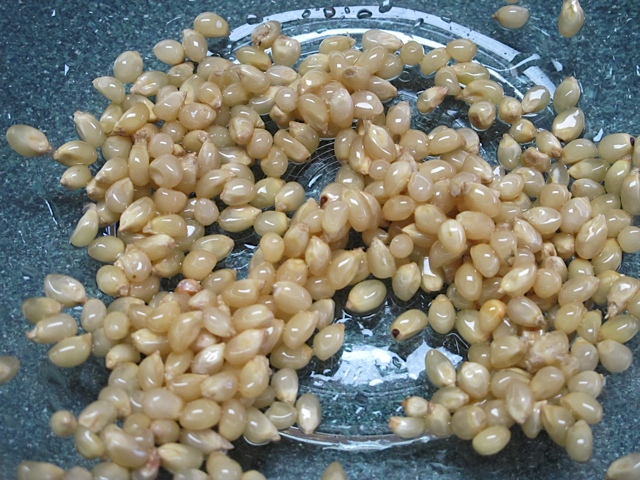
Toss ¼ cup of popcorn kernels with 1 tsp of olive oil.

popcorn kernels, prudent living
Popcorn kernels tossed with olive oil

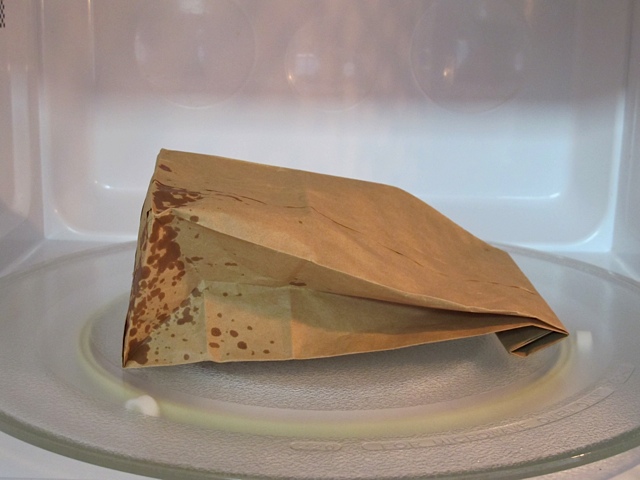
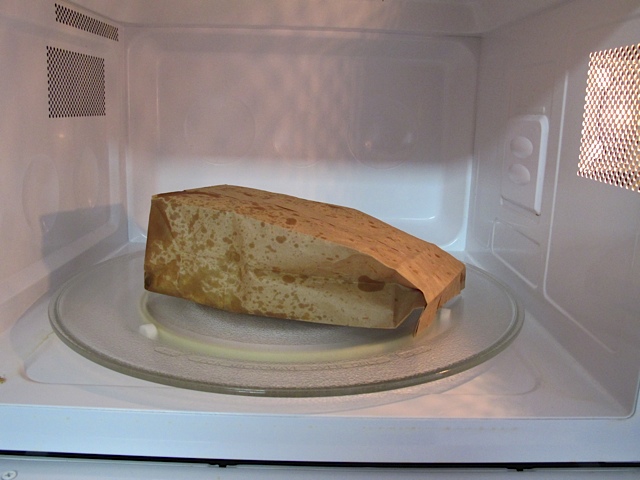
Pour the kernels into a small paper lunch bag. Fold the top of the bag over twice. Place the bag on it’s side in the microwave on the carousel.

popcorn, microwave
Bag with kernels on it's side

Cook on high for 2 minutes or until the pops are 5 seconds apart.

Remove the bag from the microwave and carefully open the bag.

paper bag uses, popcorn
After popping, remove carefully!

Pour into a bowl and season as you like it. I found it was delicious with just a little salt.

grain, popcorn
Freshly popped popcorn.

Warnings: I have read that the paper bag might catch on fire so this method isn’t recommended. I have not had any trouble but I do lay the paper bag on its side. I also stand close by to keep an eye on the bag while it’s popping!

Recipe Box: Beef with Oyster Sauce

Earlier this week I told you how to store ginger. One of our favorite recipes that uses fresh ginger is another recipe adapted from our beloved Pei Mei’s Chinese Cookbook. You can use any green vegetable such as Bok Choy or broccoli. I use a large shallow non-stick pan to cook this meal and use less oil then the recipe calls for.

1 pound lean beef (flank steak)
15 pieces of scallions
15 slices ginger (quarter large)

Marinade:

½ tsp baking soda
1 tsp sugar
1 Tbsp cornstarch
1 Tbsp soy sauce
3 Tbsp water
2 Tbsp oil

Seasoning Sauce:

oyster sauce, sesame oil
Ingredients for seasoning sauce.

2 Tbsp oyster sauce
1 Tbsp water
1 tsp sugar
½ tsp cornstarch
½ tsp sesame oil

oil

1 pound green vegetable (bok choy, broccoli)
½ Tbsp wine
½ tsp salt
1 tsp sugar

Slice the beef very thin into 1” squares, put in a bowl and marinate for ½ hour at least (longer is better). Slice the beef when it is still partially frozen as you can cut it into very thin slices. Then add in 2 Tbsp oil and mix well.

beef, Chinese cooking
Remove any fat and slice beef thinly.
Chinese cooking, beef
Beef in marinade


Boil the green vegetable in boiling water for about 2 minutes. Remove from pan and stir-fry with Tbsp oil, season with wine, salt and sugar, set aside.

green vegetable, broccoli
Broccoli

Heat oil in wok add beef and stir fry until done. Remove beef and drain off oil from pan.

Use another 2 Tbsp oil to stir fry scallions and ginger,

ginger, chinese cooking
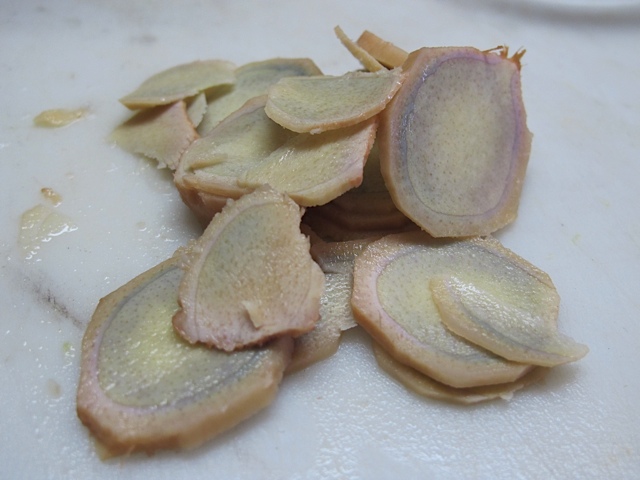
Thinly sliced ginger
Chinese cooking, scallions
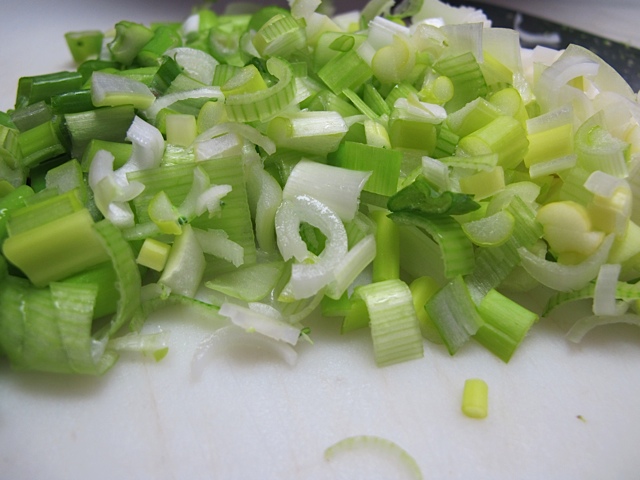
Scallions

add beef, stir quickly over high heat, add the seasoning sauce.Beef and Broccoli, Chinese cookingbeef and broccoli, Chinese cooking Stir until thickened and heated through. Add broccoli.


Serve over rice and enjoy!

Chinese cooking, beef and broccoli
Beef with Oyster Sauce

Linked to MakeAheadMealsForBusyMoms.com Make-Ahead Meals for Busy Moms

Linked to Foodie Friday too!BWS tips button, GooseberryPatch, Saturdaydishes

My Garden: Heirloom or Hybrid?

seeds, hybrid seeds, heirloom seeds
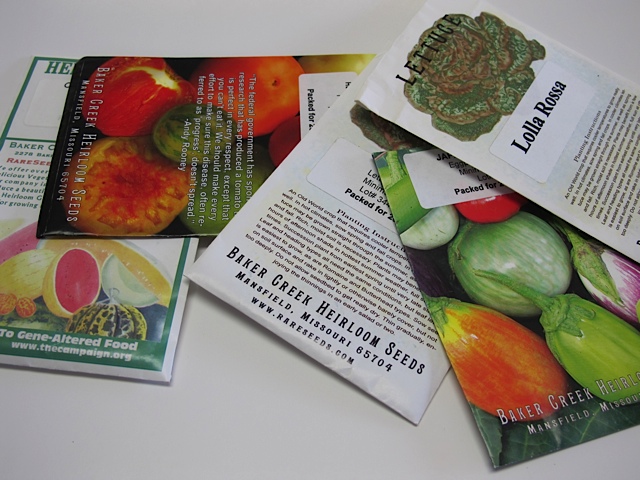
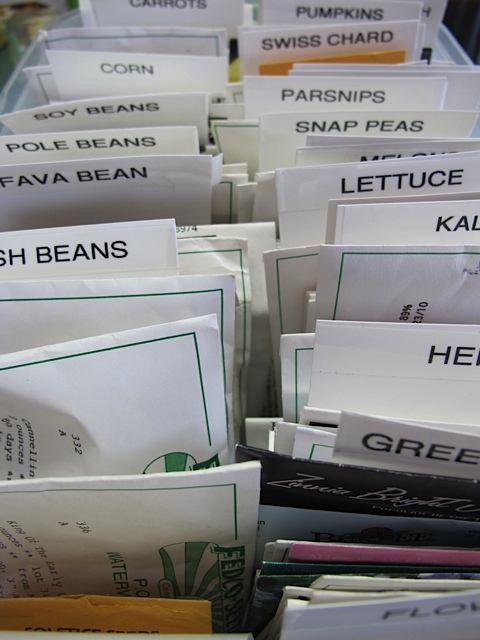
Seed collection

Whether you are planting seeds directly into your garden or starting your seeds early you will have to decide whether you want hybrid seeds or heirloom seeds. Organic is another choice but the first decision will be heirloom or hybrid seeds. What’s the difference?

Heirloom Seeds

heirloom flower seeds
Heirloom flower seeds
heirloom seed collection
Heirloom seeds

An heirloom seed is a seed that can be traced back at least  50 years. They have a history of being passed down within a family. They reproduce through pollination. They are considered true plants because they’re exactly the same as their parent plants. Heirloom vegetables are chosen for flavor. They’re not generally as “uniform” as hybrid fruits, nor are they as predictable. They haven’t been bred, but chosen; gardeners will choose their best fruits and harvest the seeds from them.

Hybrid Seeds

hybrid tomatoes, hybrid vegetables

A hybrid seed is a seed that has been “bred” and grown specifically to aid in their production and resistance to disease. They are made by breeding two different plants together to get a third variety – the hybrid.

Although a hybrid plant produces a more dependable and uniform harvest, sometimes taste has been sacrificed (they were originally bred for commercial growers, more fruit, longer storage etc.), so profit was more of a concern than taste.

Another problem with them is that most hybrid seed from the vegetables you grow will be sterile; this means you can’t save the seeds. If they aren’t sterile, however and you can get one to grown you have no guarantees what kind of plant you’re going to get because they aren’t the exact replicas of their parents. Seed companies love to sell hybrids because it is much more profitable. You have to keep buying your seeds from them year after year!

Saving Seeds

Using heirloom seeds gives you the option to save your own seeds and plant year-to-year. This is a great way to save money. I’ll talk more about this at the end of our garden season.

saving seeds, heirloom seeds
Saving seeds

I grow both hybrid and heirloom seeds in my garden. There are some hybrid varieties that do so well that I grow them despite the fact that I can’t save the seeds. Whatever you decide enjoy your time in the garden!

Design a site like this with WordPress.com
Get started