Frugal Tip: Leftover Candy Canes

I wonder how many people end up with a pile of leftover candy canes after Christmas? I know we do. For some reason everyone likes to have them hanging on the tree but they never seem to get eaten up. I was looking at the pile of candy canes the other day and thought there has to be a way to make use of them rather then throw them out. After spending a little time on the computer I found numerous ideas!

candy, peppermint, frugal tips,prudent living
Leftover Candy Canes.

1. Stir them in your hot chocolate.
2. Use them to stir your tea.
3. Add them to a milkshake.
4. Break off the hooked end and dip the straight piece in melted chocolate.
5. Crush them.
peppermint candy, candy canes
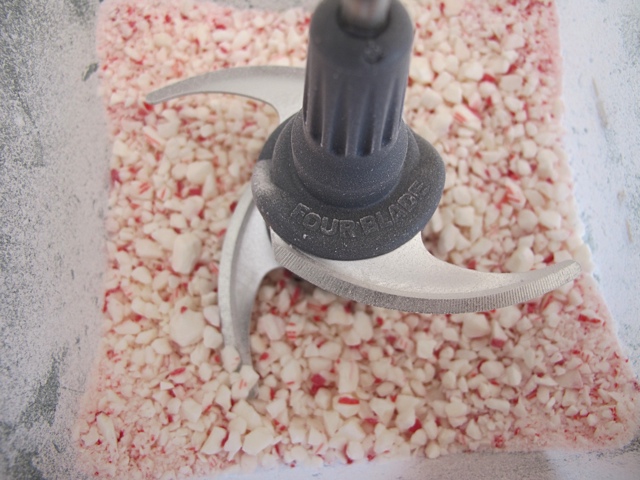
Crushed Candy Canes.
crushed candy, frugal tip
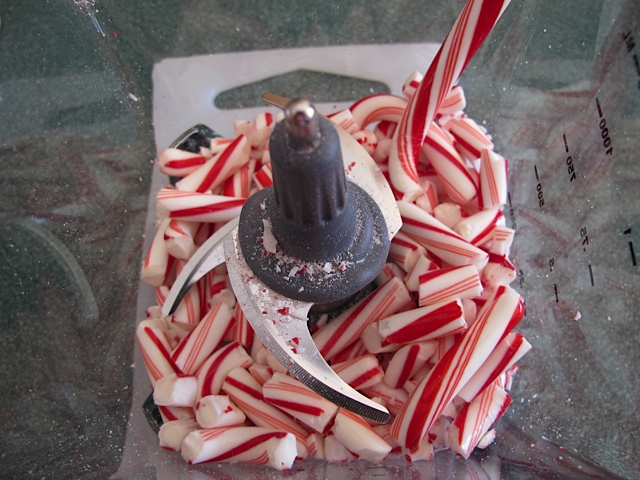
Put the candy cane pieces in your blender.

The last idea had so many uses that I decided that’s what I would do. I took all of our candy canes and put them in the blender and made sugar cane sugar! This sugar can be used in many ways.
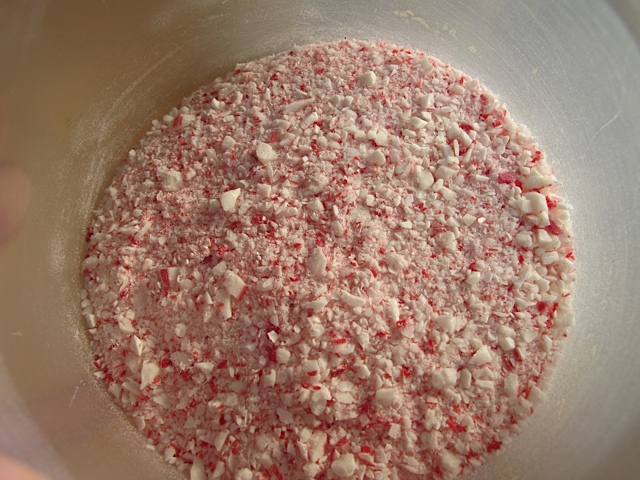
candy, peppermint, crushed candy canes
My container of candy cane sugar.

1. Ice Cream Sprinkles (I love this idea, Peppermint Stick Ice Cream is my favorite)
2. Cake Sprinkles
3. Cupcake Sprinkles
4. On top of whipped cream in your hot chocolate
5. Sweeten your hot tea
6. Sweeten your hot chocolate
7. Use the sugar in recipes

Use them in recipes, what an idea! I found all sorts of recipes that you could use the crushed candy canes in.

Here are links to just a few:

1. Candy Cane Fudge
2. Peppermint Four Layer Cake
3. Chocolate Peppermint Bark
4. Peppermint Ice Cream
5. Candy Cane Brownies
6. Peppermint Meringues
7. Candy Cane Cheesecake

What did I do with our candy cane sugar? First I made Candy Cane Brownies, I didn’t use the recipe mentioned above but I will share the recipe I used this Friday, it is a recipe passed down from my husband’s grandmother’s recipe box. I also made some Peppermint Sauce. I’m hoping it will remind me of peppermint stick ice cream! I’ll let you know.

This blog is a part of the Frugal Tuesday Tip!

Parmesan Chicken

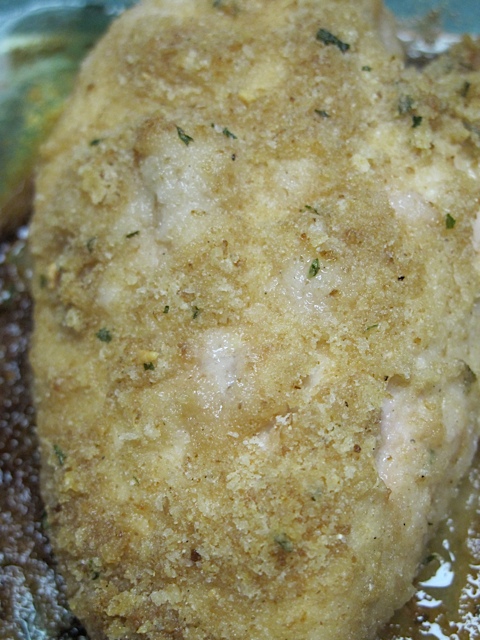
This Parmesan Chicken recipe originally came from the cookbook Bouquet Garni, a cookbook published by the alumnae of Mount Holyoke College in 1978. It is a collection of recipes from the alumnae and is full of delicious meal ideas. Parmesan Chicken has been a favorite for years, I love this recipe because you can mix up the crumb mixture and just keep it in your freezer. You can use just what you need for the number you are feeding. Once your chicken is defrosted you can put together a delicious meal very quickly. This recipe is good enough for company! The recipe says the crumb mixture is good on fish although I’ve only used it on chicken.

Parmesan Chicken

Ingredients:

1-2 pounds of boneless chicken
½ cup butter
2 cups bread crumbs (seasoned work well too)
¾ cup grated Parmesan cheese
⅓ cup chopped parsley
¼ tsp garlic powder
1 Tbsp onion salt
1/8 tsp pepper
1 tsp paprika

Directions:

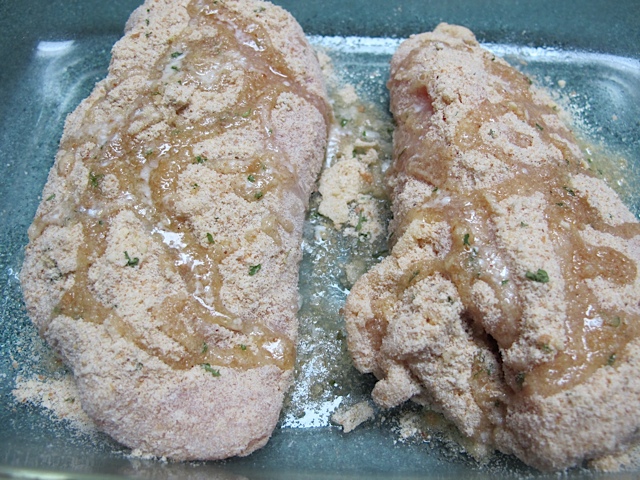
Melt butter in a small pan. Combine remaining ingredients. Dip chicken in butter, then roll in crumb mixture and place in a shallow greased baking pan.

chicken, homemade

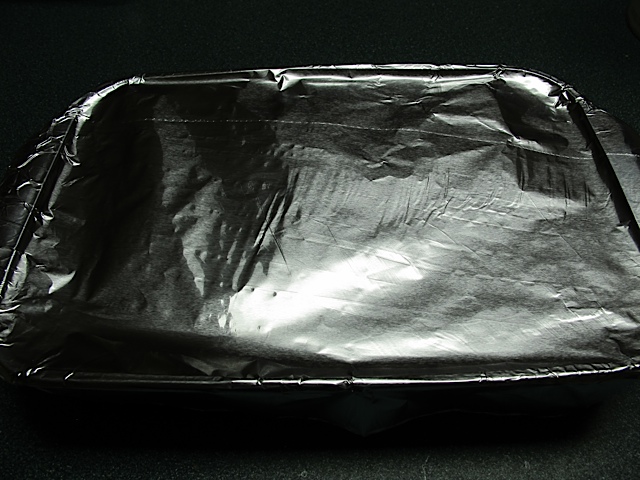
Drizzle butter that is left over the chicken. Cover with foil.

aluminum foil, chicken

The nice thing about this meal is that you can put it together in the morning and then refrigerate till ready to cook. Bake ½ hour at 350 degrees covered; uncover and continue baking for an additional ½ hour. Bake until the chicken is tender.

chicken, parmesan

Leftover crumbs store well in the freezer. Mixture can also be used on broiler-fryer chickens that have been cut up and skinned.

Prudent Pantry: Pantry Challenge Final Week?

I am so glad we decided to do a pantry challenge! It gave me a chance to really concentrate on using up those dinners in the freezer. I have spent only a minimal amount at the grocery store, buying fresh fruit and a few fresh vegetables. I also purchased milk from the local farm. Having a small household makes this very easy, our boys are both away at college so it is only my husband and I. There were a few minor challenges including a potluck dinner that I had to bring something to, and company coming over for lunch where I was able to create a hot lunch with food on hand in our freezer (sloppy joes).

The meal plan I mentioned last week was pretty much followed. This is what we’ve eaten this week.

Sunday: Pot Luck (ended up making a cabbage salad with Ramen Noodles both on hand)
Monday: Quiche (leftover)
Tuesday: Meatloaf (leftover)
Wednesday: Homemade Pancakes (breakfast for dinner!)
Thursday: Shepherd’s Pie (freezer)
Friday: Chili Mac and Cheese (freezer)
Saturday: Chicken Soup

Believe it or not we have used up a majority of freezer meals but not all!

pantry challenge, freezer containers
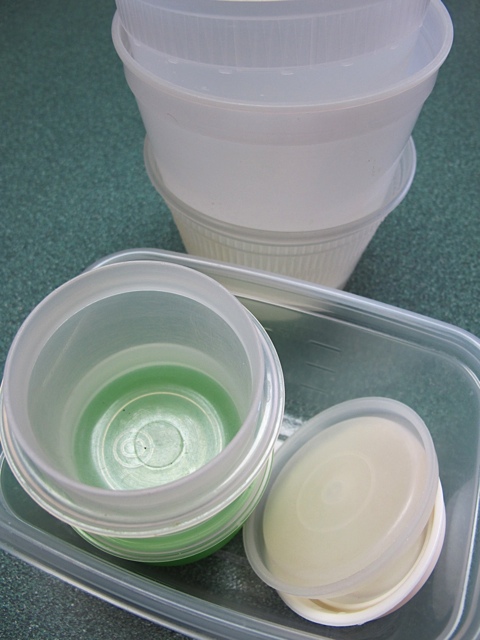
Empty containers!

I am going to continue to challenge myself and work at using up those meals. By the time summer arrives and I’m busy trying to preserve the summer harvest I want the freezers to be empty.

I’ve also been doing some research on using the pressure cooker to preserve “dinners in jars”. I have used my pressure canner to preserve certain things like beans and beef broth but not meals. It would be nice to not have to use my freezer space for all our frozen meals. I will continue to challenge myself!

We’re considering adding to this challenge and continuing it for another two weeks. May be crazy but imagine spending less than $100 on food for the month! How did you do with your pantry challenge? Any words of wisdom or lessons learned? Please share!

My Garden: Why Compost Continued.

As I mentioned last week there are many benefits of composting, the most important is the benefit to your garden. Composting doesn’t have to be hard or labor intensive. You can keep it simple with a small compost bucket next to your sink for vegetable scraps, egg shells, coffee grinds, anything that’s not cooked. Once your bucket is filled you can take it outside and dump it into a larger container. In the spring empty your larger container into the garden and till it in.

There are other ways to set up composting systems. Methods range from mulched paths that are replenished every other year, to piles that are maintained weekly. Many compost systems can be built with scavenged materials. Pallets can be used for example. You want to figure out the most appropriate composting system for your unique circumstance.

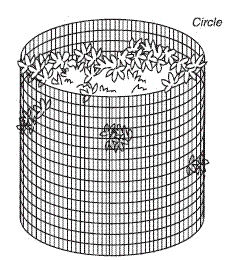
Wire mesh bins are the quickest and least expensive bins to construct. They can be used as holding and turning bins, or in combination with one of the larger bins as temporary storage. You simply add yard wastes such as leaves, occasionally add moisture and turn the compost and it will be ready in 6 months to 2 years.

composting, home gardening, prudent living
Wire compost Bin

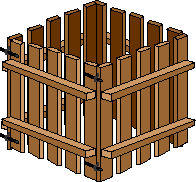
You can also make a portable bin using scrap lumber or pallets. This type of bin provides moderate volumes of compost with very minimal effort. The location can be changed from time to time as well.

Composting, gardening, prudent living
Pallet Compost Bin

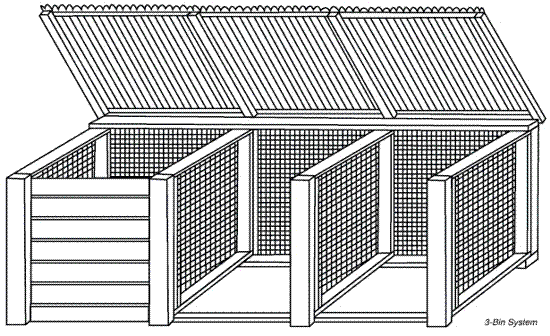
The bin I am planning to build this year is a stationary 3-bin system. This system is used to compost large amounts of yard and kitchen wastes in a short period of time. Compost piles are made and turned on a regular basis. This system may also be used for slow composting of yard wastes without kitchen scraps. A pile made with a balance of fresh greens and woody materials and turned weekly can be ready in three weeks.

composting, gardening, prudent living
Three Bin Compost System

Hopefully you will find room for a compost pile on your property. Compost can be used to enrich your flower and vegetable gardens, to improve the soil around trees and shrubs and as a soil amendment for house plants and planter boxes, and when screened, as a part of a seed-starting mix or lawn top dressing. The best time to dig compost into a garden bed is when preparing the bed for planting. By using compost, organic mater is returned to the soil in a usable form. Start now and save money by making your own free fertilizer at home!


Frugal Tips: Homemade Yogurt

Several months ago I took part in a Raw Dairy Processing Class, the description of the class intrigued me, “Learn how to make delicious soft cheeses, yogurt and butter in your own kitchen! Get acquainted with using butter molds and adding herbs, or other flavors to your final product. With simple instruction and good quality raw milk, it is an easy and exciting activity adding delicious artisanal treats for any occasion.” The class was held on a farm where they raised cows, heritage turkeys, pigs and had large gardens. The house was off the grid yet you never would have known.

Learning to make yogurt was so much fun and very easy. I always thought you needed special equipment. Other than the culture you don’t need any special equipment and the yogurt you can make at home is so tasty! I purchased my yogurt culture from www.cheesemaking.com. You do not need to use raw milk to make yogurt, you just do not want to use the ultra high pasteurized milk.

homemade yogurt
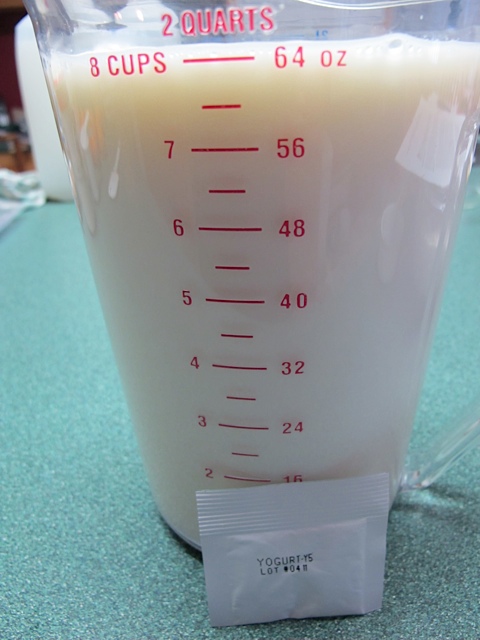
Only two ingredients needed.

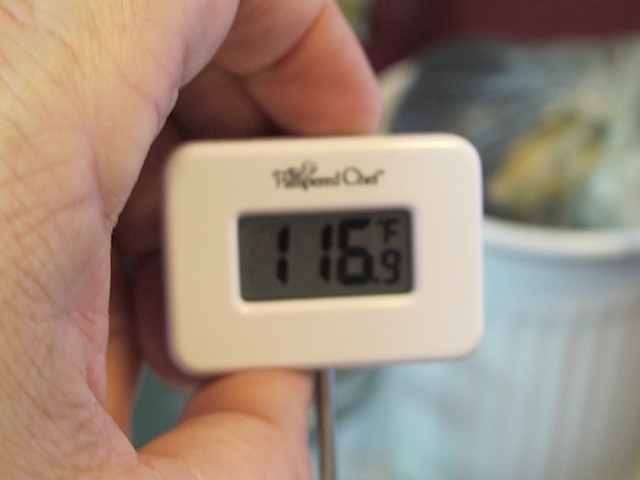
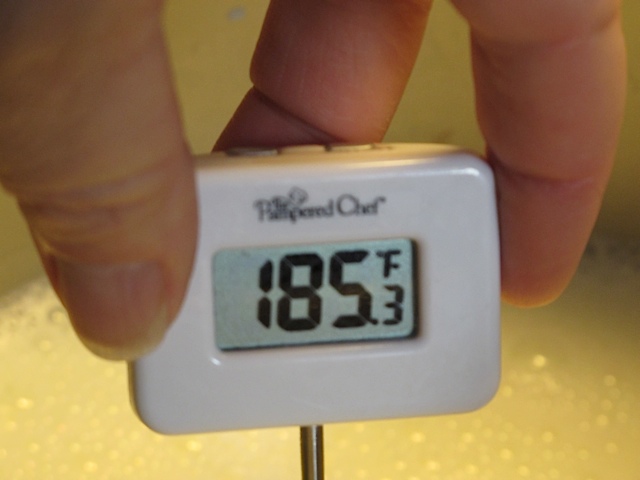
Here are the simple directions. Pour ½ gallon of cold milk into a heavy stainless pot for heating. Heat the milk to 185 degrees and then hold it there for 10-20 minutes. This will prepare the whey proteins, which are largely responsible for the thickening of the yogurt body. Set the milk pot directly on the burner and begin heating with careful stirring to prevent the scorching of the milk. Cool the milk as quickly as possible to your target temperature for inoculating the yogurt (116 degrees F). When the milk reaches the proper temperature for inoculation, it is time to add the direct set yogurt culture. The culture will be a mix of Streptococcus thermophiles and Lactobacillus bulgaricus plus and probiotic additions the culture may contain.

yogurt making, prudent living
Cool to 116 degrees F
temperature, yogurt, prudent living
Hold the mixture at 185 degrees.

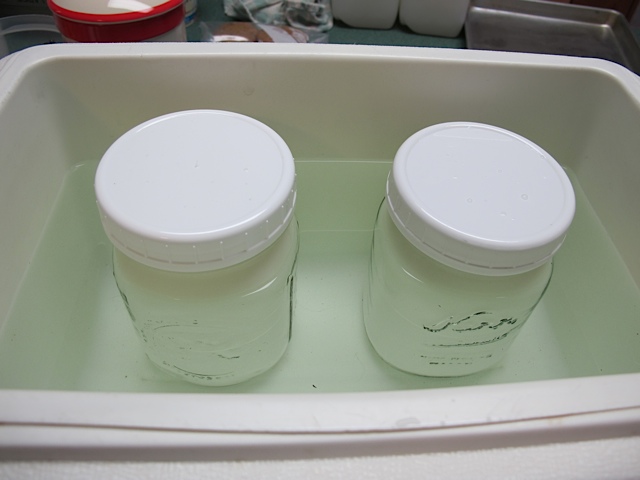
Incubate the cultured milk for the required time. This can be done easily by pouring your cultured milk into containers and placing those containers inside an insulated cooler. Pour warm water (116 degrees F) into the cooler so that your container lids are just an inch or so above the water line. This “water bath” will maintain the temperature so that the appropriate bacteria will thrive and populate. The time of incubation is about 8-10 hours for most yogurt cultures. Place the yogurt in the refrigerator when the incubation is complete.

making yogurt, yogurt, prudent living
Cultured milk in cooler, water up to lids
yogurt, culture
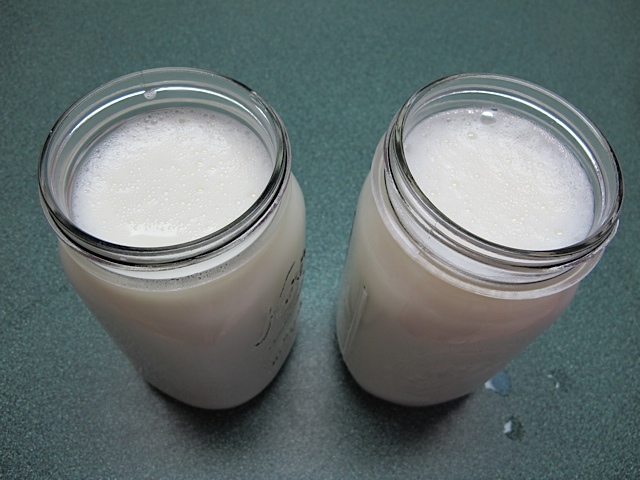
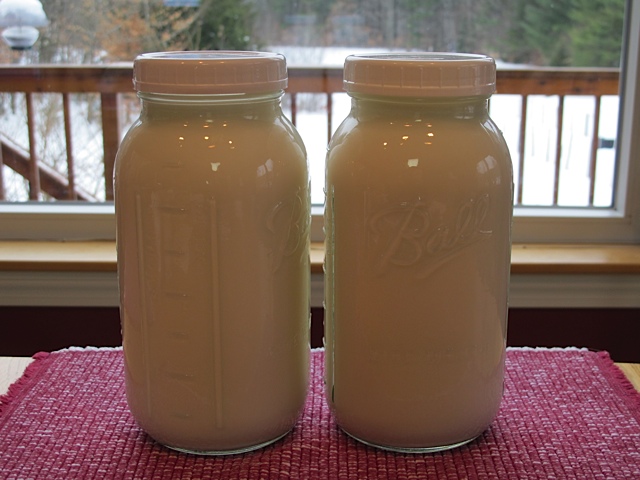
Cultured milk was poured into two quart jars.

I inoculated my milk, poured it into glass jars and placed them into my cooler. I added the warm water, put the lid on the cooler and let it sit on the counter for 10 hours. Before going to bed I placed the yogurt in the fridge. In the morning I had two containers of plain yogurt ready to enjoy! I have always preferred flavored yogurt but I find this yogurt to be delicious. If you want, feel free to add fruit to flavor it yourself.

yogurt, homemade
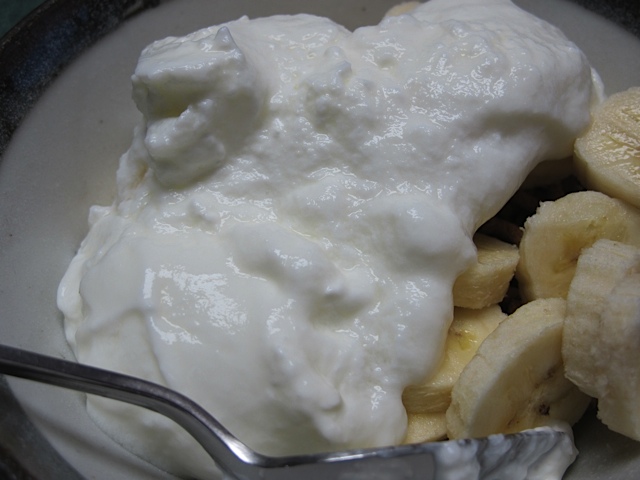
Finished product.

This blog is linked to Frugal Tuesday Tip.

Baked Barley Risotto

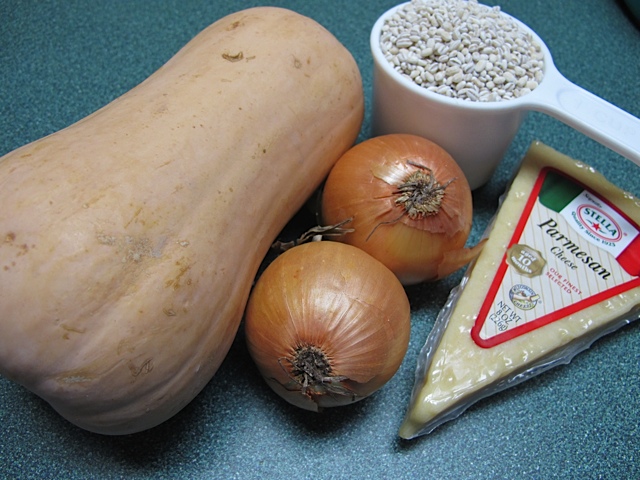
We’re coming to the end of our first week of the Pantry Challenge. It’s been a good week, using up various food items that have been in the fridge and the freezer. For today’s delicious recipe, Baked Barley Risotto,  used a butternut squash that had been sitting on our counter. Other than some fresh baby spinach I had everything I needed to make this recipe.

butternut squash, onions, barley and cheese

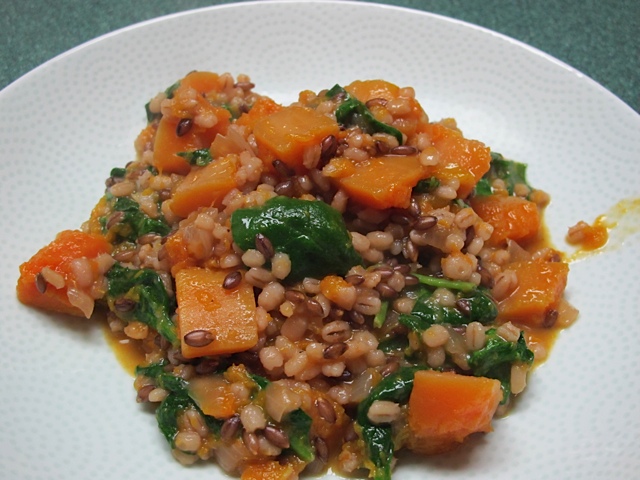
I was very pleased with the result; it was creamy, filling and delicious! I imagine it would freeze well although I haven’t tried that yet. I hope you enjoy it as much as we did.

Baked Barley Risotto

Ingredients:

2 Tbsp olive oil
1 butternut squash, peeled, seeded and cut into1” squares, about 3 cups.
1 onion, finely chopped
Salt and pepper
1 cup pearl barley
½ cup dry white wine
3 cups low-sodium vegetable broth
5 ounces baby spinach
½ cup grated Parmesan cheese
1 Tbsp unsalted butter, optional ( forgot to add this and it was not missed!)

Directions:

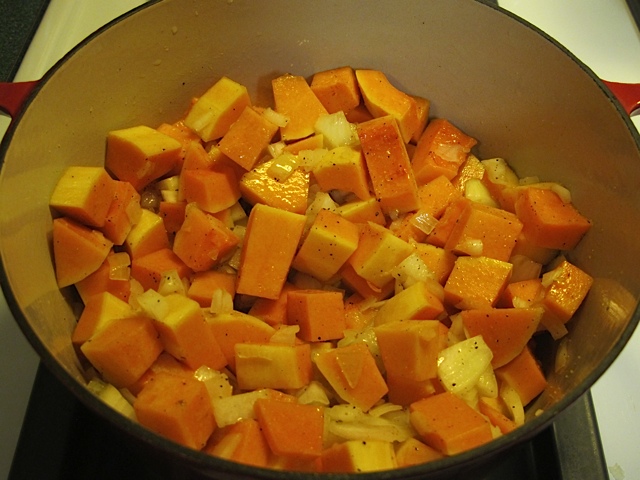
Preheat over to 400 degrees. Heat the oil in a Dutch oven over medium-high heat. Add the squash, onion, ¾ tsp salt and ¼ tsp pepper and cook, stirring often, until the onion begins to soften, 4-6 minutes.

risotto, butternut squash, onions, prudent living

Add the barley to the vegetables and cook, stirring for one minute. Add the wine and cook, stirring until evaporated, about one minute. Add the both and bring to a boil, cover the pot and transfer it to the oven. Bake until the barley is tender, 35-40 minutes.

Stir in the spinach, Parmesan and butter. Serve with addition Parmesan.

The recipe said it serves four – that would be four generous servings!

Vegetarian dinner, butternut squash, barley

Prudent Pantry: Pantry Challenge Update

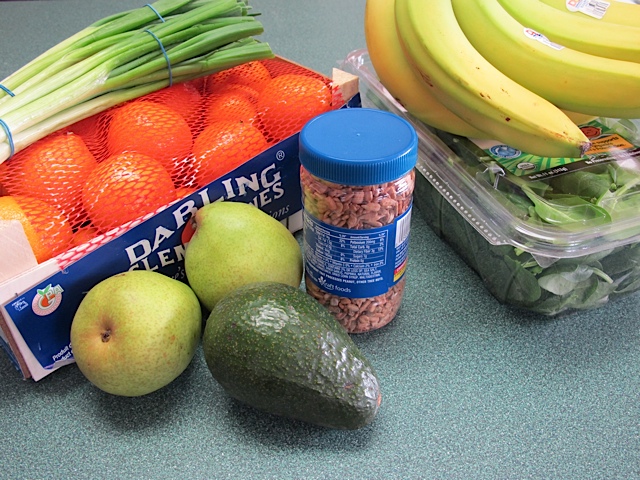
We are doing well with the pantry challenge, so well in fact I’m thinking of extending it for at least a third week. I have quite a few frozen meals put away in the freezer that we can eat up. I usually go to the grocery store no more than once a week. It is quite a drive from our house so I plan a morning out where I take care of other chores as well. This week I was in Rutland on Wednesday so I made a quick stop, but I only needed to buy a few things. I spent $19.81.

fresh fruit, vegetables, prudent living
The few items I purchased this week.

I have to go to a meeting/potluck Sunday night and am responsible for bringing a salad. I decided to make the delicious Pear & Blue Cheese Salad; everyone always enjoys that. It did mean I had to purchase two pears and an avocado as well as some lettuce. The dressing will be made from ingredients we have on hand. I also purchased a gallon of milk from our neighborhood farmer. I used ½ gallon of it to make yogurt.

raw milk, local dairy milk.
Milk purchased locally.

I pretty much followed our meal plan that I mentioned last week; I did switch a couple of the days around. For the most part our lunches have been either leftovers, soup from the freezer or a delicious egg & salsa burrito. This is what we ate this week:

Sunday: Pork, Kale & Bean Soup (leftover)
Monday: Spinach Quiche (used up a bag of spinach, a couple of pieces of bacon leftover from when our boys were home and a premade pie crust I had on hand)
Tuesday: Chinese Stir-fry with chicken from the freezer and a cabbage on hand.
Wednesday: Beef & Chinese noodles (leftovers)
Thursday: Spaghetti & Meatballs (freezer)
Friday: Baked Barley Risotto with Spinach and Butternut Squash (squash on the counter)
Saturday: Quiche (leftover)

Next week the plan is to eat the following:

Sunday: Meatloaf (freezer)
Monday: Corn & Bean Chowder
Tuesday: Shepherd’s Pie (freezer)
Wednesday: Chili Mac and Cheese Casserole (freezer)
Thursday: Chicken Parmesan (chicken in the freezer)
Friday: Homemade Waffles (much to my husband’s delight!)
Saturday: Chicken Soup (freezer)

For those of you who decided to join me, how is your week going? Are you making progress at using up those leftovers and frozen meals in your freezer? Let me know how it’s going!

My Garden: Why Compost?

Did you know that by composting you could save money by using less fertilizer and watering less? Did you know that your plants in the garden would grow healthier and be stronger? These are just two of the benefits of composting. In the wild composting occurs when the leaves fall of the trees and decompose providing nutrients for the plants and trees growing in the woods. Perhaps you’ve heard that composting is good for your garden but you don’t know where to start.

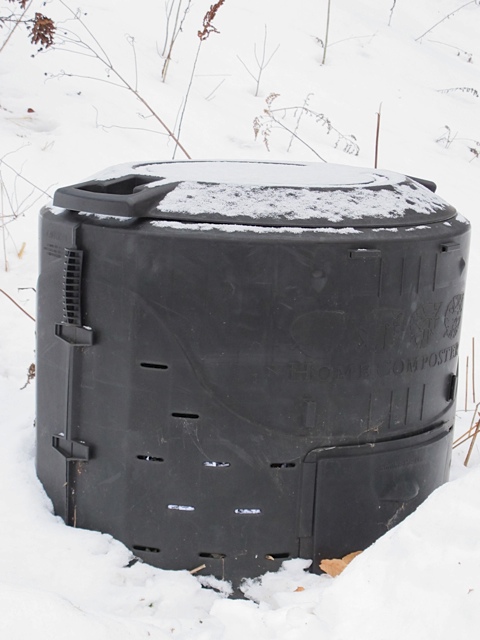
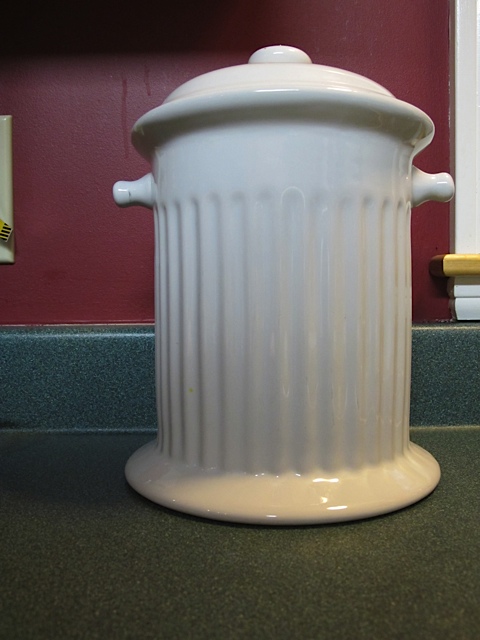
First of all composting is easy. Think about how often you put something in the trash, a few minutes here and there. That’s how simple composting can be. It’s basically lifting a lid up and putting something in a container, that easy! You need a small investment for a container to put your household scraps into another spot outside where you can empty your composting pail. I keep a small composting pail right next to my sink; into it I put all the vegetable scraps, eggshells, coffee grinds, anything that’s not cooked and no meat scraps. When the bucket is full I take it outside and empty it into a larger compost bin. I continue to compost even in the winter, although I realize it is too cold for anything to be decomposing outside, here in Vermont.

composting, kitchen scraps, gardening
Outside compost bin.
composting, prudent living
Compost pail next to the sink.


I also have a large compost pile outside not far from our chicken coop. It’s not very organized and basically it’s a spot where we dump garden refuse and chicken shavings. This spring we will be building a much larger three-bin system outside. I want to create an effective compost pile that is actively decomposing.  Having a larger composting area will allow me to compost all sorts of material: grass clippings, yard wastes, such as weeds, old plants and spent flowers. We had a large load of wood chips delivered last year when the men were working on the power lines. They were happy to deliver to our house which was just up the street from where they were working. It saved them from having to drive elsewhere and get rid of the load. These wood chips will have been sitting for months by the time we get our compost system set up and will be starting to decay. It will be a good addition to the pile.

When building your compost pile you want to have a good ratio of “browns’ to “greens”. What do I meant by that? Greens are such things as food scraps, grass clippings and rotted manure. “Browns” are cornstalks, leaves, straw, paper, sawdust and wood chips. The “greens” provide the nitrogen and the “browns” provide the carbon.  A pile that is too high in carbon will stay cool and sit a long time without breaking down. A pile that is too high in nitrogen will give off the smell of ammonia gas. It’s also likely to get slimy and have a foul odor. Eventually it will all decompose but your goal is to have an effective compost pile that heats up and decomposes so you can use it in your garden. A hot pile is useful for composting food and yard wastes together without pest problems, killing soil diseases, weed seeds and produces compost in a short period of time.

As you start planning your garden this year think of a spot where you can set up a compost pile. Next week I will talk about the different kinds of piles from very simple to more complex. Lets have healthier gardens this year and start composting!


Frugal Tips: Homemade Liquid Handsoap

After making my first batch of laundry soap I decided to look into making our own liquid hand soap. We don’t go through it that quickly but I figured I should look into it as it might be cheaper to make some myself. To my surprise it is rather easy. I did a bit of online research and decided to give it a try.

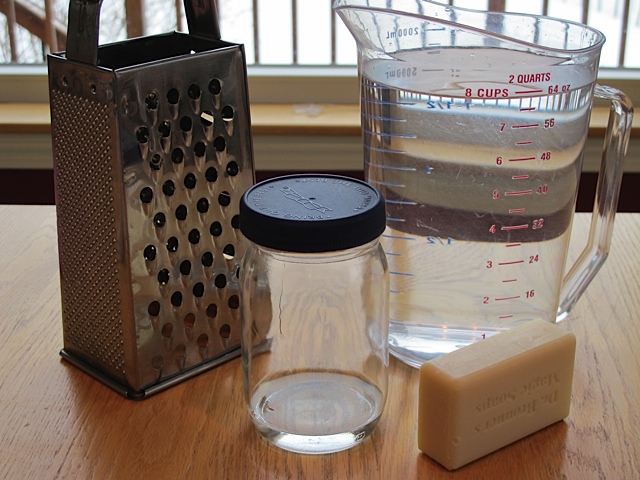
This is all you need to make your own liquid hand soap:

homemade soap, liquid glycerin, prudent living

Cheese grater
2 Tbsp of Liquid Glycerin (I didn’t have any on hand but a good friend gave me some)
One 8oz bar of soap
1 gallon of water

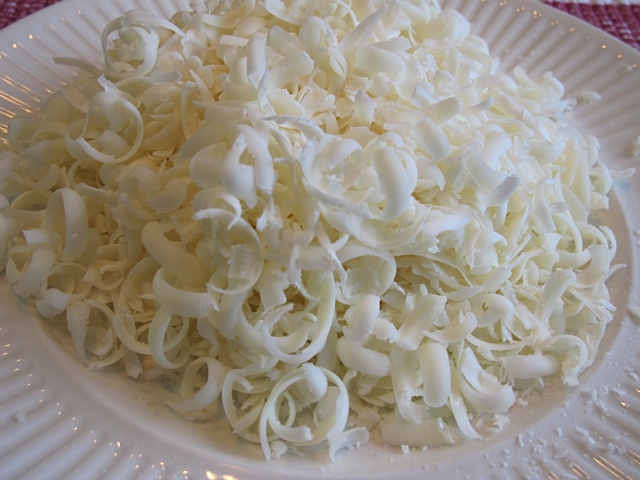
The first step is to grate the bar of soap.

handmade liquid handsoap, prudent living

Add 2 Tbsp of liquid glycerin to the pot and turn the heat to medium-high and stir until the soap dissolves. At this point it pretty much looks like soapy water.

liquid handsoap, prudent living

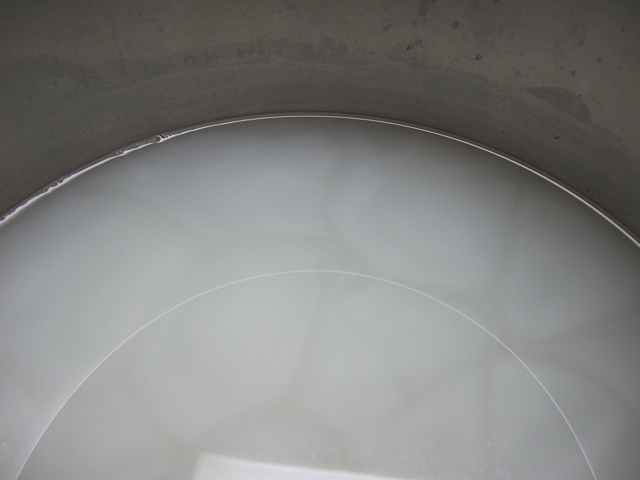
Leave it alone to cool for at least 10-12 hours. It begins to cloud up after 3-4 hours.

homemade liquid soap, prudent living

After it has cooled completely, around 12 hours later it will thicken and look like liquid soap. If it is thicker than it should be you can take some beaters and blend it while adding just a bit of water until the consistency is more like liquid soap.

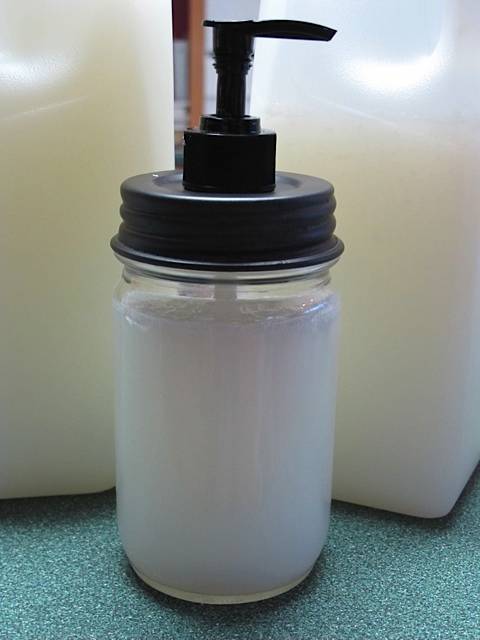
For the cost of a bar of soap and some liquid glycerin you now have a gallon of liquid hand soap. Now you can refill your bottles of liquid soap. In a cute dispenser this would make a great handmade gift!

homemade liquid hand soap, prudent living
Success, a gallon of liquid hand soap.

Recipe Box – Pork, Bean & Kale Soup

Eating healthier and making good choices – good goals for the New Year. I am really enjoying the book I received for Christmas called Eating Well in Season – the Farmers’ Market Cookbook. Now that our farmers’ market is re-opened after all the flood damage from Irene I can enjoy their wonderful produce. This recipe is adapted from a recipe I found in the book. I hope you enjoy it as much as we have!

1 tsp olive oil
1 pound pork tenderloin, cut into one inch pieces
¾ tsp salt
1 medium onion, chopped
4 cloves garlic, chopped
2 tsp paprika
¼ tsp crushed red pepper
1 cup white wine
4 plum tomatoes, chopped
4 cups chicken broth (reduced sodium)
1 bunch kale, ribs removed and chopped (about 8 cups)
1-15oz can cannellini beans rinsed

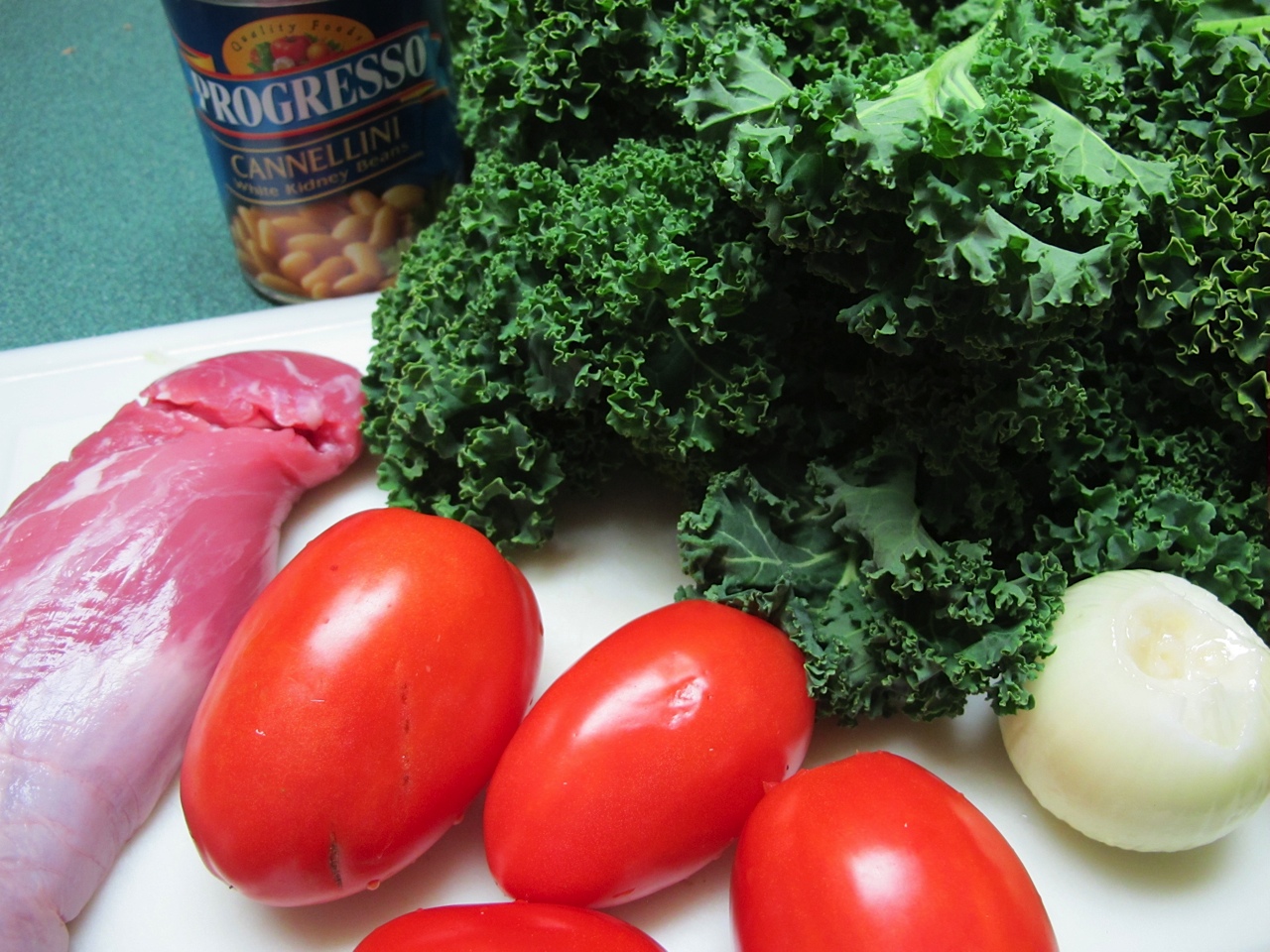
kale, tomatoes, beans, onions, pork
Ingredients for the soup.

Heat oil in a heavy Dutch oven. Add pork, sprinkle with salt and cook until no longer pink on the outside, about 2 minutes. Transfer to a plate with tongs, leaving juices in the pot.

homemade soup, prudent pantry, prudent living
Cooking cubed pork.

Add onion to the pot and cook, stirring often until just beginning to brown, 2-3 minutes. Add garlic and crushed red pepper, stirring constantly until fragrant, about 30 seconds. Ad wine and tomatoes increase heat to high and stir to scrape up any browned bits. Add broth and bring to a boil.

Add kale and stir until it wilts. Reduce heat to maintain a lively simmer and cook, stirring occasionally until the kale is just tender, about 4 minutes. Stir in beans, the reserved pork and any accumulated juices; simmer until the beans and pork are heated through, about 2 minutes.

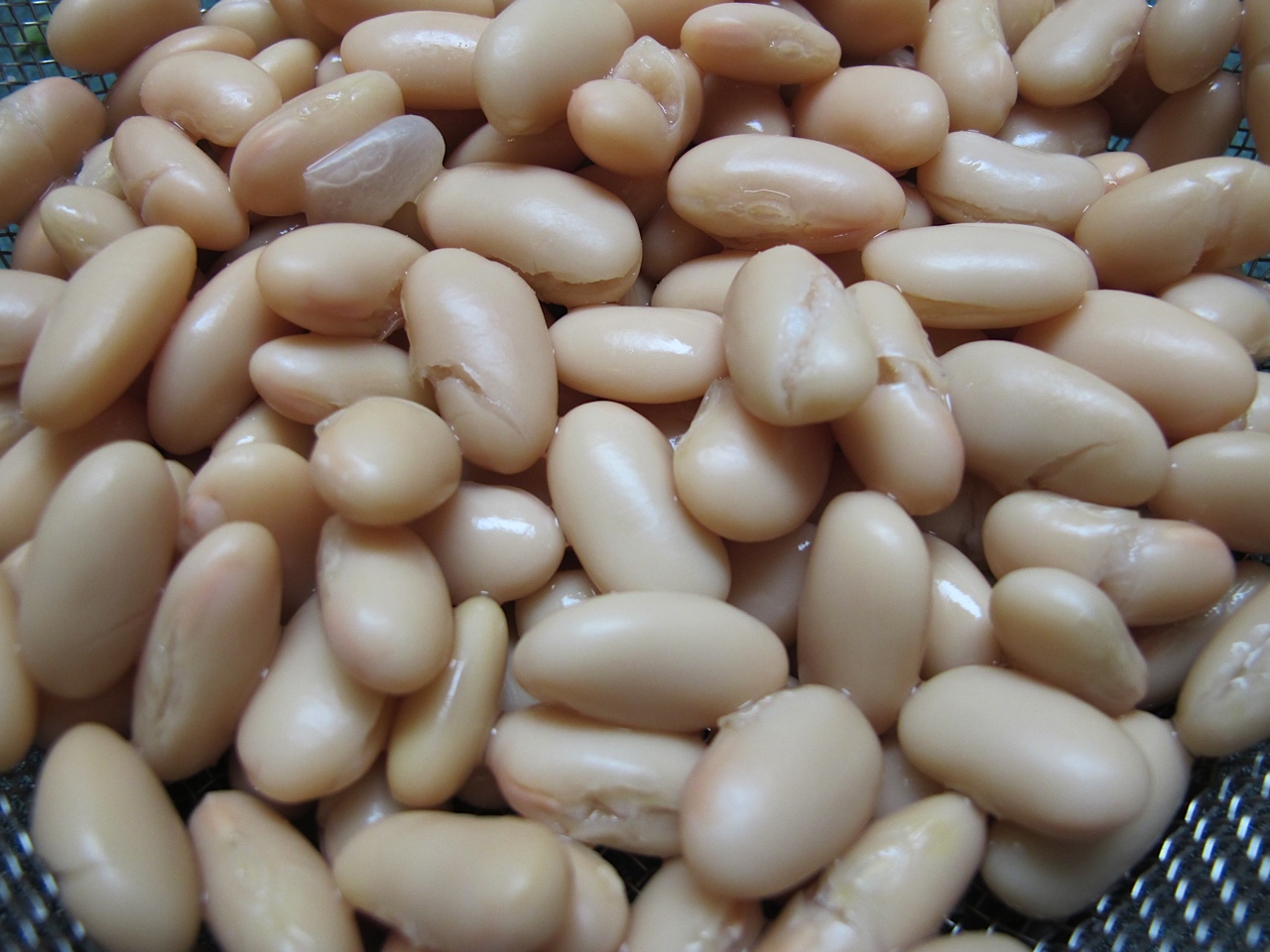
beans, homemade soup
Beans ready to be added to the soup.

Serves 6.

homemade soup, kale, prudent living
Pork, bean and kale soup, delicious!


Design a site like this with WordPress.com
Get started