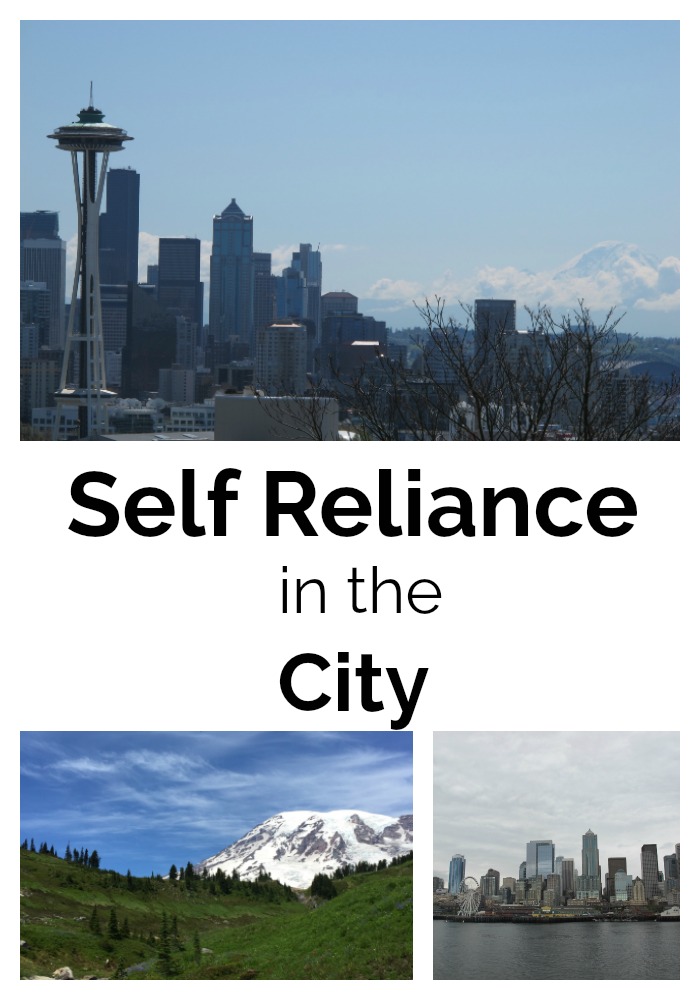
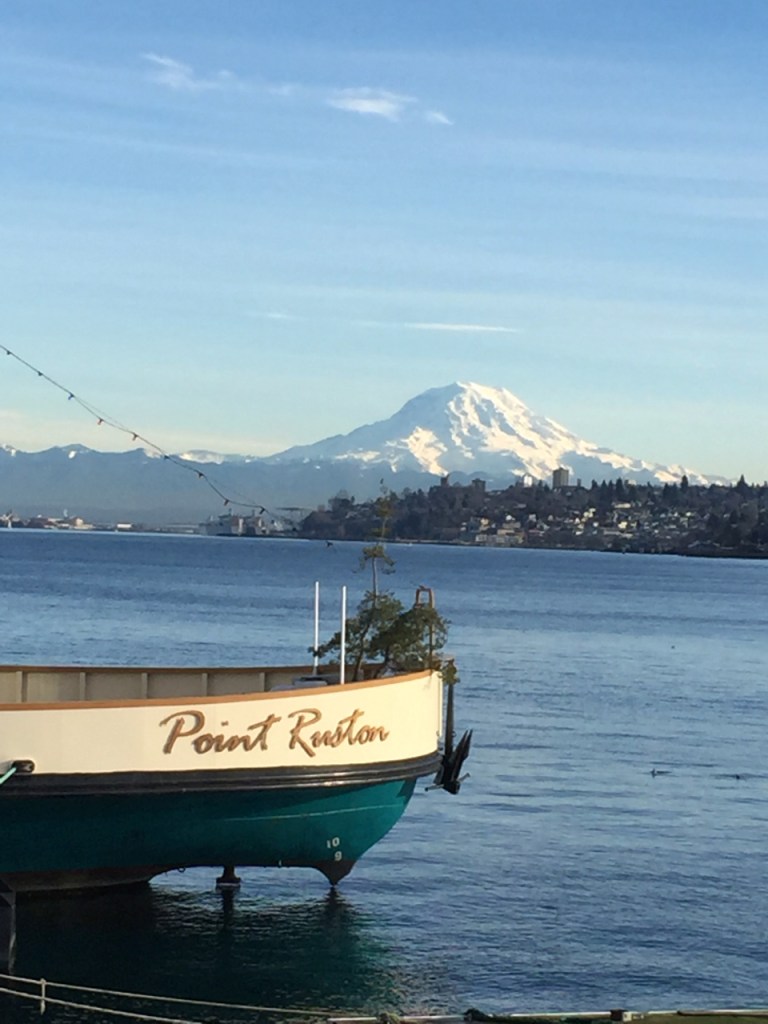
Living on the outskirts of a major city in the state of Washington is much different from living in rural Vermont. What does it mean to be prepared in the Pacific Northwest?
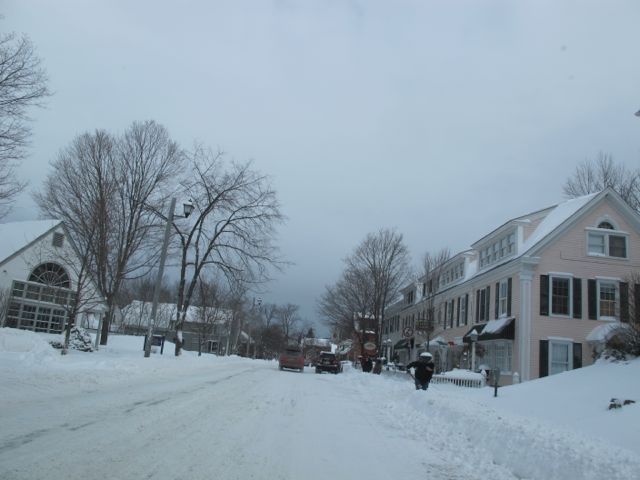
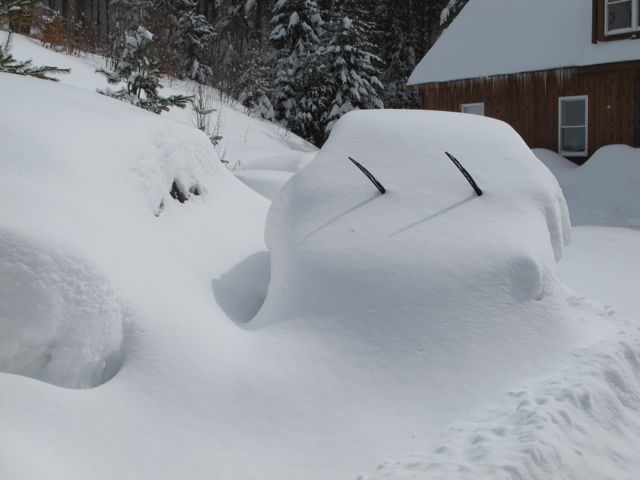
When we lived in Vermont we considered ourselves well prepared for any disaster that we might experience. We were prepared for major snowstorms, power outages and floods. We had few neighbors, but those we did have you could count on if you ever needed help.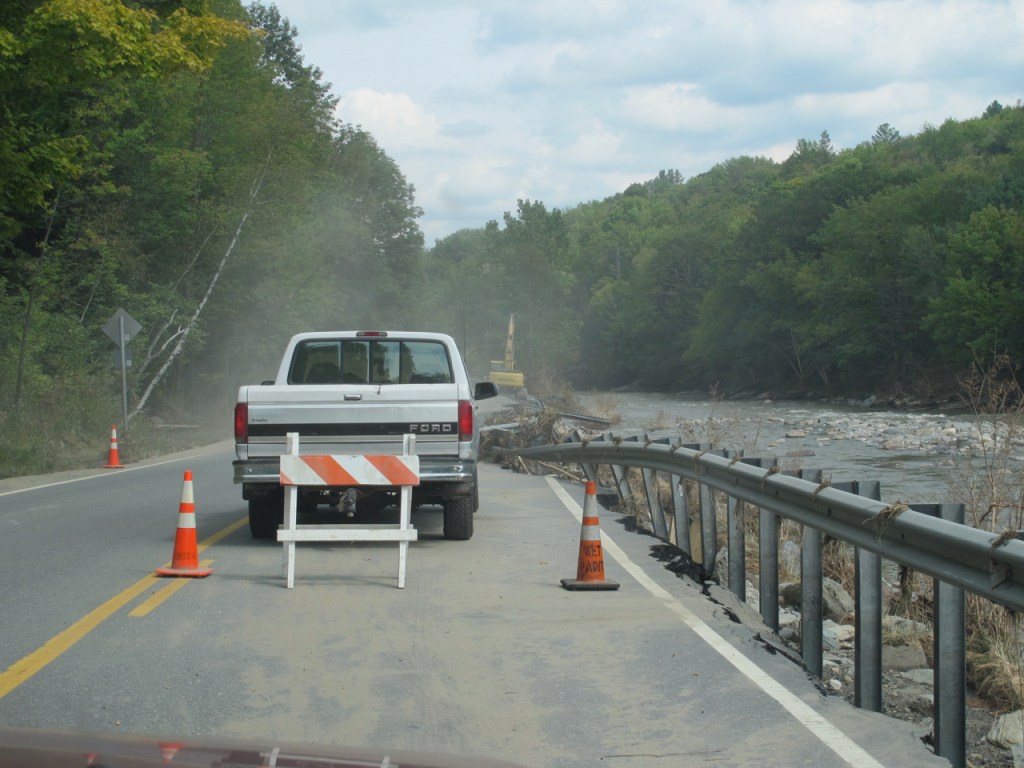
Living here in Washington on the edge of a large city is quite different. If there was ever a major disaster the local disaster relief might not be ready for the mass response to a major event. Part of living the self reliant lifestyle is being prepared for emergencies.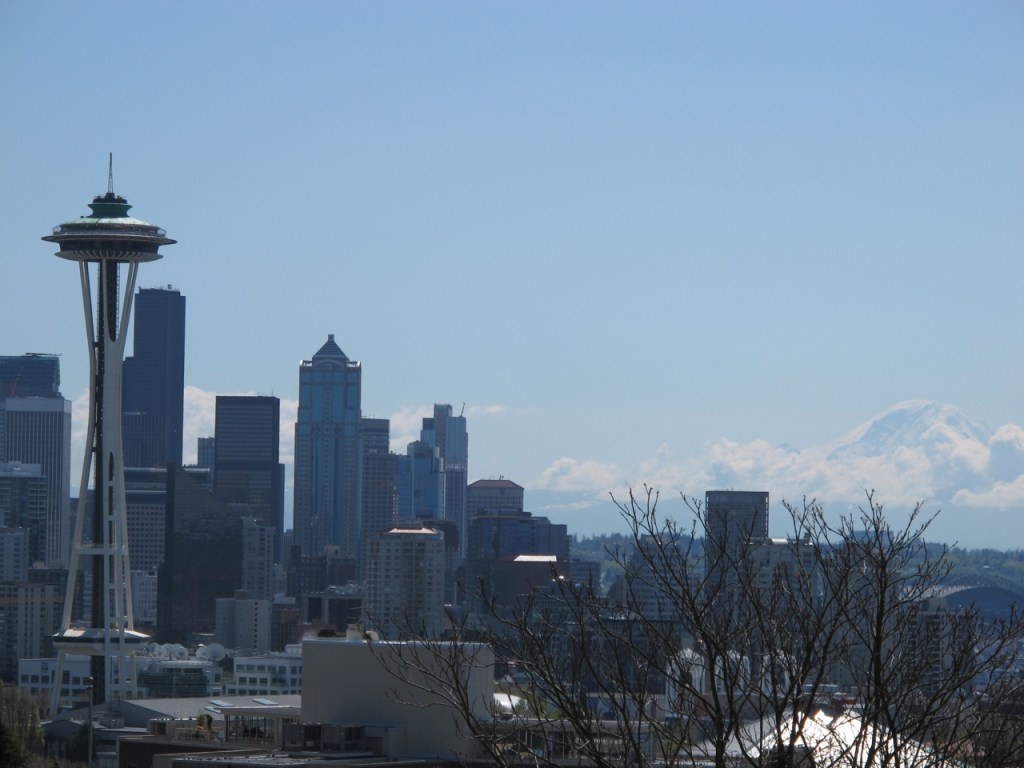
First of all you need to figure out what sort of disaster might we expect? One thing you have to keep in mind is that we now live in an area of the country where earthquakes can occur. After witnessing on the news, the recent earthquake that happened in Alaska you realize that if a major earthquake were to hit this area there would be big problems.
The local authorities say you should prepare for two weeks of supplies. They used to say three days but that changed recently to two weeks. The severity of the disaster changes how much you need to be prepared.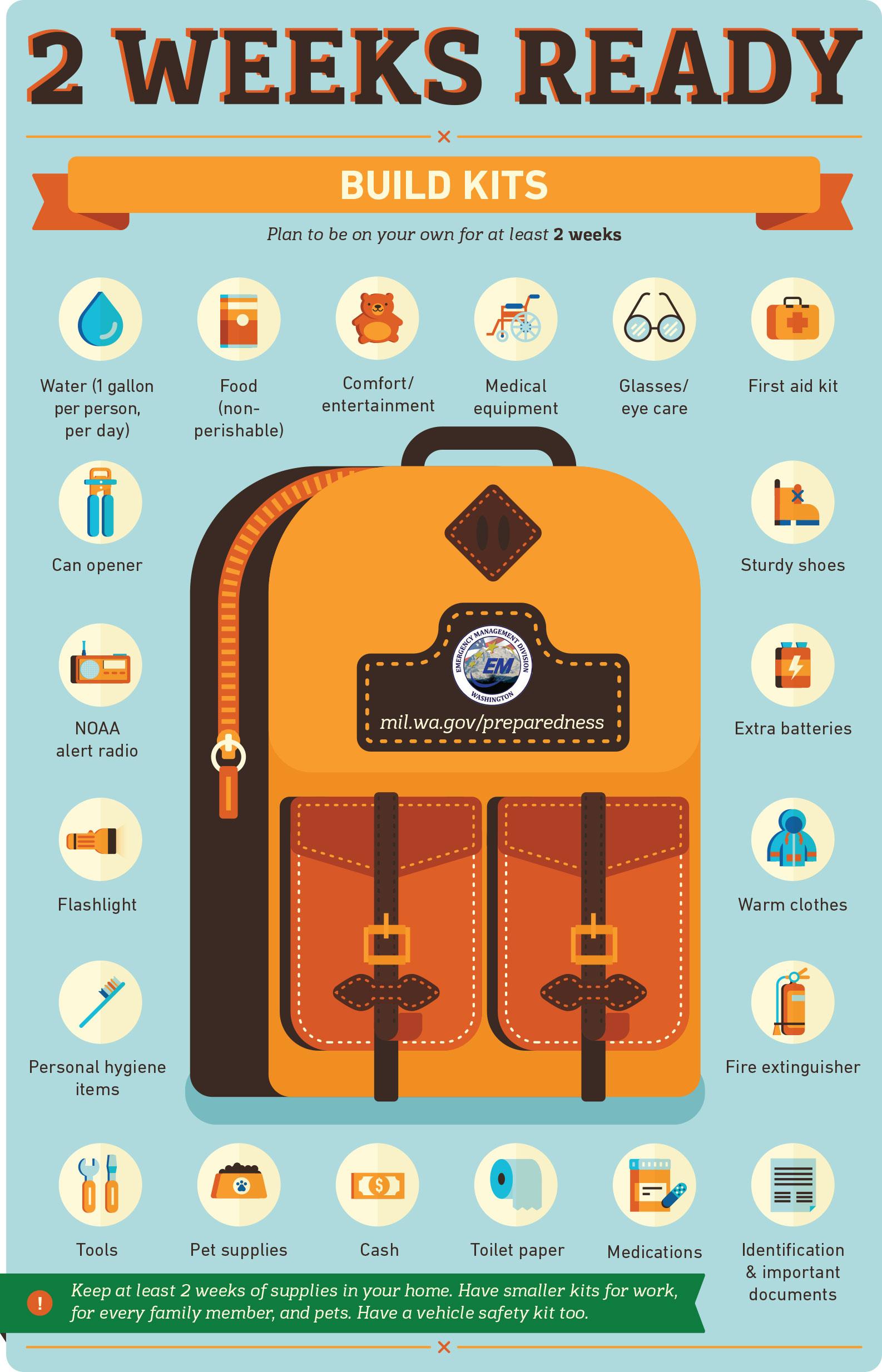
Not everyone will have the same needs in preparing for a major disaster, so we must evaluate our current living situation and plan accordingly.
Most everyone we have met here has a Grab and Go Bag and often keeps a smaller one in his or her car. You may be driving home from the store when the disaster happens. All of a sudden the bridge is wiped out and you can’t get home. Having water and food in the car would be a good thing. What if you need to walk somewhere? Do you have wet weather gear and good walking shoes?
Neither my husband nor I have any prescription medication. However having first aid cream and bandages on hand and in the car is also a good idea. Water is also most important. You can survive without food for a long time but people start dying in three days if they don’t have water to hydrate. The standard is one gallon of water per person per day. For my husband and I that’s 28 gallons of water! There are water bottles you can buy with filters or even water filtration straws.
Don’t rely on your phone, if the power grid is down you will not be able to count on your phone. Make sure you have a hand-cranked radio. There are offline map apps you can download but make sure you also have a way to charge your phone if there is no electricity.
Have a source of cash. If there is no power there will be no ATM machines. If you have cash you might be able to buy some food.
Living on the outskirts of the city is much different from living in Vermont. My husband and I need to make it a top priority to have a Grab and Go Bag full of the basics to help us survive in case there is a major disaster in the area, We can start with preparing for three days and then continue preparing until we are prepared for two weeks. Luckily there is a lot of information out there to help us. The time to prepare is now.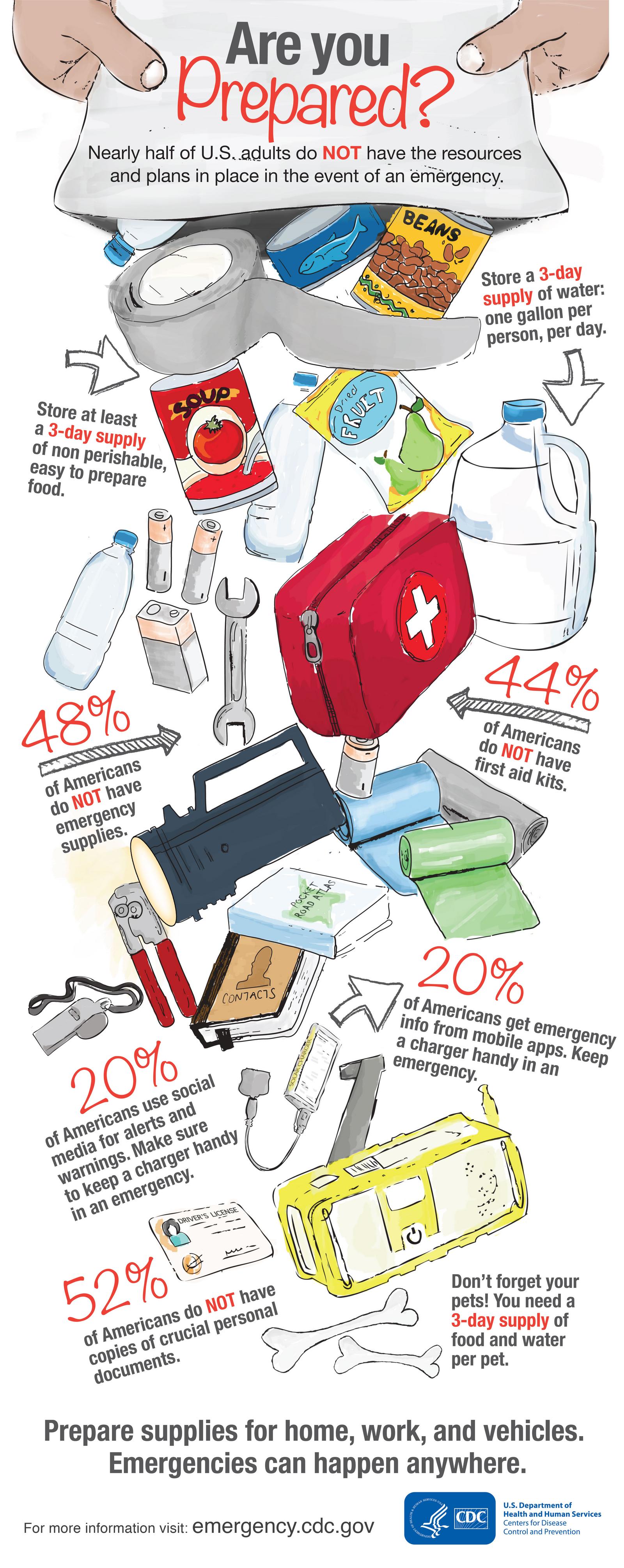
Join us as we challenge ourselves to live a more self-reliant lifestyle for the entire month of January.
Follow our Pinterest Board for Self Reliance Challenge posts.
Stop By & Visit The Self Reliance Challenge Bloggers…
Kathi – Oak Hill Homestead
Nancy – Nancy On The Homefront
AnnMarie – 15 Acre Homestead
Farmgal – Just another Day on the Farm
Candy – Candy’s Farm House Pantry
Kristi – Stone Family Farmstead
Marla – Organic 4 Greenlivings
Heidi – Healing Harvest Homestead
Victoria – Modern Homestead Mama
Shawna – Homegrown Self Reliance
Stephanie – Happily Homegrown
Bethany – Family Growing Pains
Dianne – Hidden Springs Homestead
Julie – The Farm Wife
Lacey – Home & Harrow
Robin – A Life in the Wild
Sheri Ann – Experimental Homesteader
Lisa Lynn – The Self Sufficient HomeAcre
The New Homesteader’s Almanac

























 Nancy on the Home Front