As spring rolls around we start to think of being outside, enjoying the wonderful weather. Now is also the time to think about planning your vegetable garden – it’s a wonderful way to save money, get exercise, and help your family to eat healthy. And taking care of a garden is a never-ending and rewarding learning experience.
The most important thing to consider is where your garden will be located. Gardens need sun, the more the better. Locate your garden away from any shadows cast by large trees or buildings. Ideally, you would like to have level ground. If the garden is on too steep a slope, the soil will erode and nutrients will be washed away, unless you are able to create several terraces, which is a lot more work than most home gardeners want to do.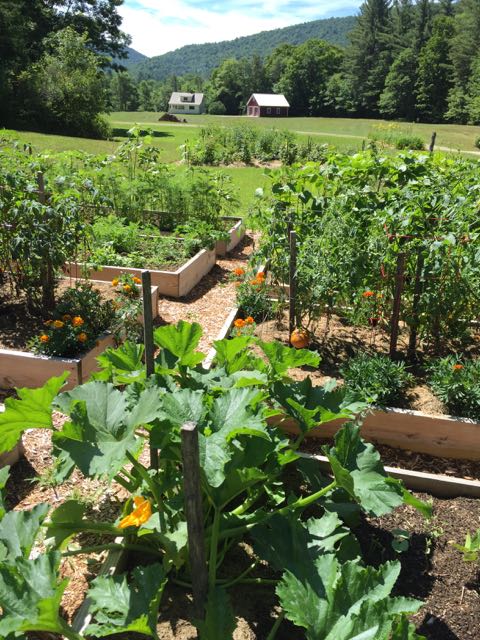
If this is your first year gardening, you also want to consider the size. It is better to start small and increase your garden size year by year. A 15 x 15 foot plot would be a good size to start with.
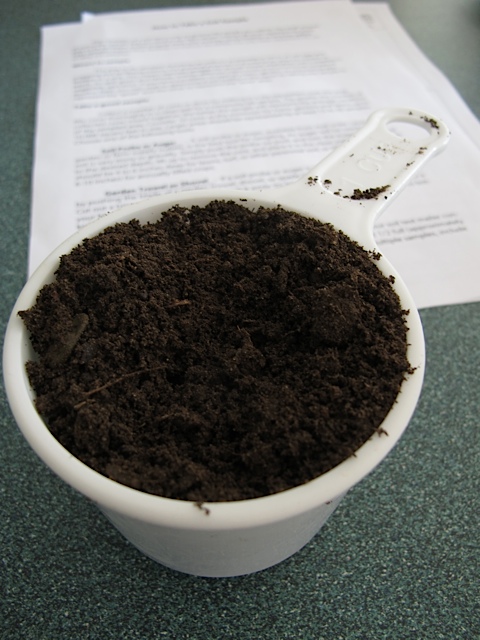
Once you have decided where to place your garden, the next thing to consider is the soil preparation. Well-prepared soil will help you have a successful garden. And any soil can be improved. Soil quality is determined by three characteristics: composition, pH (its acidity), and fertility.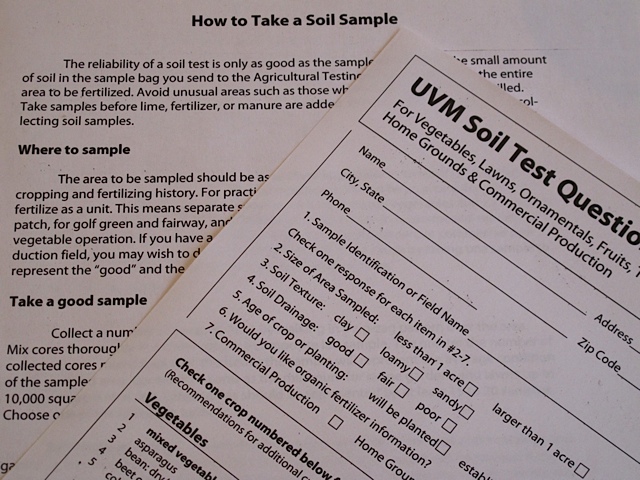
- Composition: If the soil is too loose and sandy, or too heavy and clayish, aeration, drainage and nutrient retention will suffer.
- pH: Vegetables require a pH range of 6.0 – 7.0, anything above or below that and optimal growth will be affected
- Fertility: The fertility of the soil also affects plant growth; insufficient fertility cannot support healthy crops.
- A simple soil test will help you to determine the level of major nutrients – nitrogen, phosphorus, and potassium – each important for healthy plant growth. A soil test will also help you determine the pH of your garden soil, and to improve it if necessary.
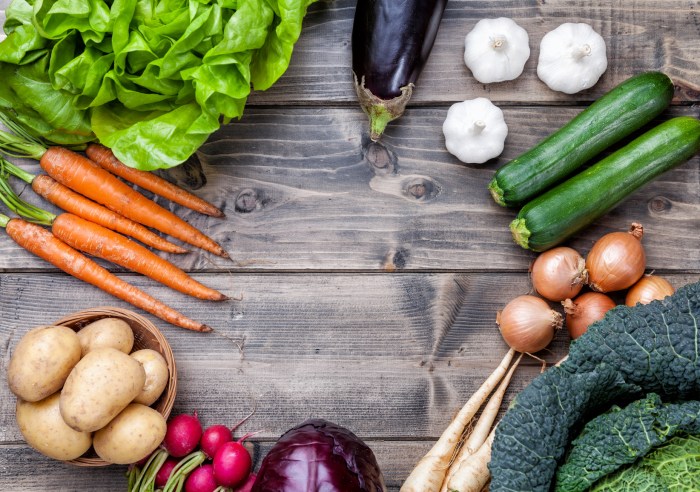
- Now that your garden plot is laid out and the soil is ready, it is time to decide what vegetables you want to plant. If you want a rewarding, productive garden, do some research to find out what grows well in your area. An excellent resource is your state’s agricultural extension office. You want to make sure you know what growing zone you are living in, when your last frost date is expected in the spring, and when the first date of frost in the fall is expected. These dates will determine when you can plant outdoors, what you should try to grow (since the days to maturation will need to fit in this last frost to first frost window, and when you should be harvesting your vegetables.
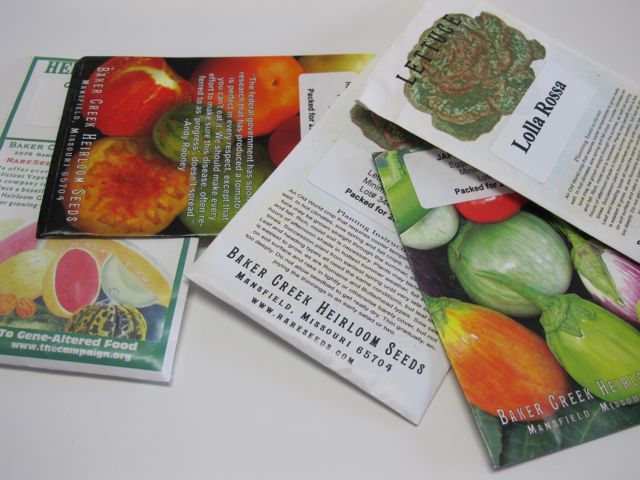 Some vegetable seeds are planted directly into the garden soil while others have such a long growth period they must be either started indoors or the young seedlings purchased at a local nursery.
 - Usually I have my seeds started by now, but with our house going back on the market I will be purchasing young seedlings from a neighbor who grows a wonderful selection of heirloom vegetables.
- Whatever you decide to do now is the time to plan for this years garden! Planning your vegetable garden now will insure that you have a successful harvest this year!


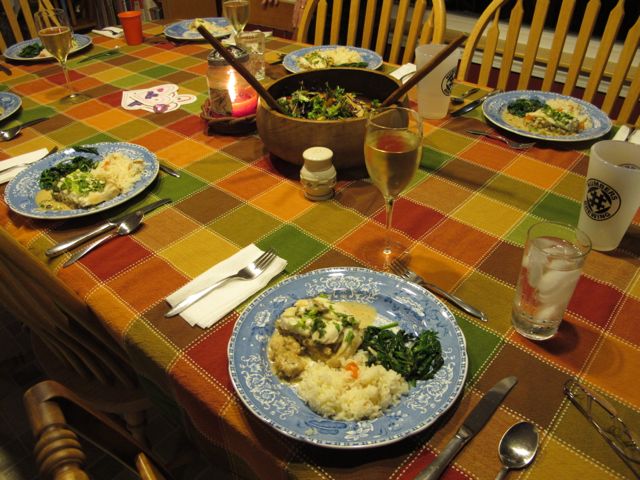



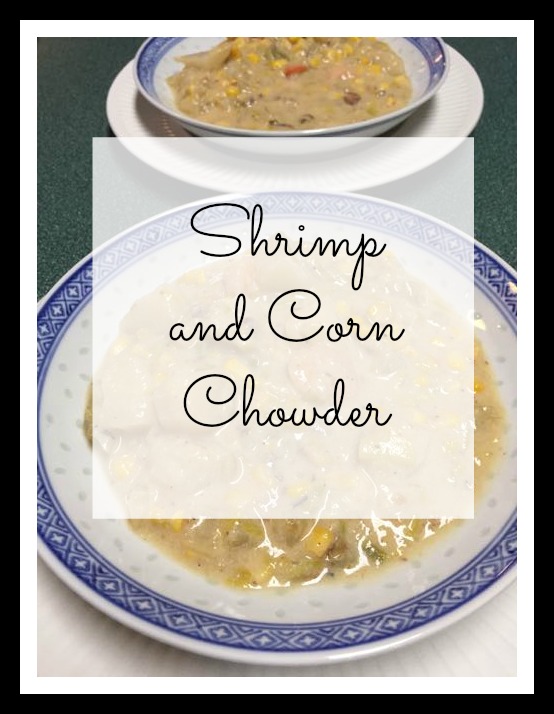
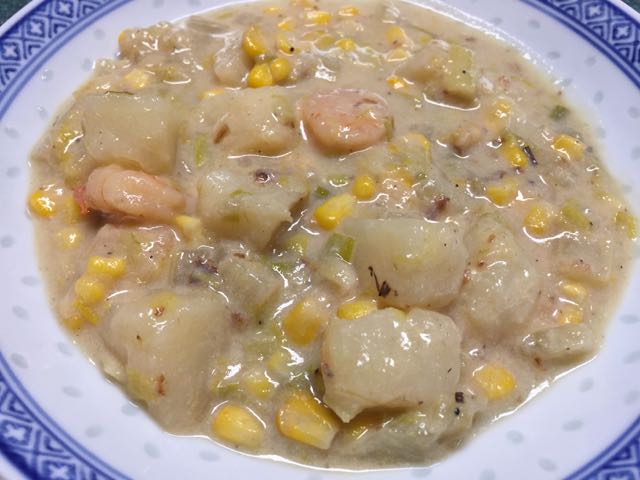
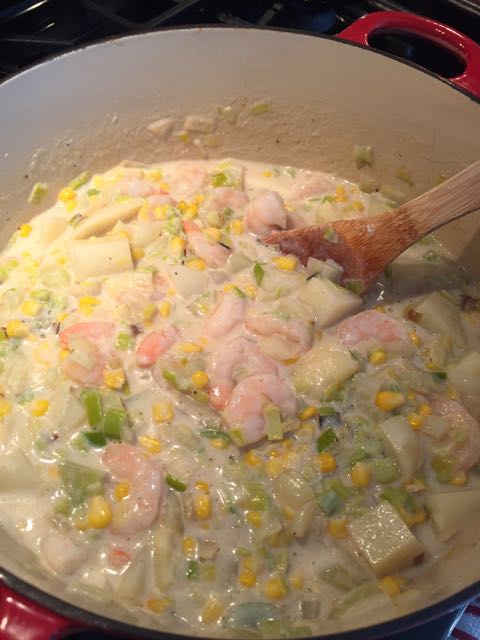
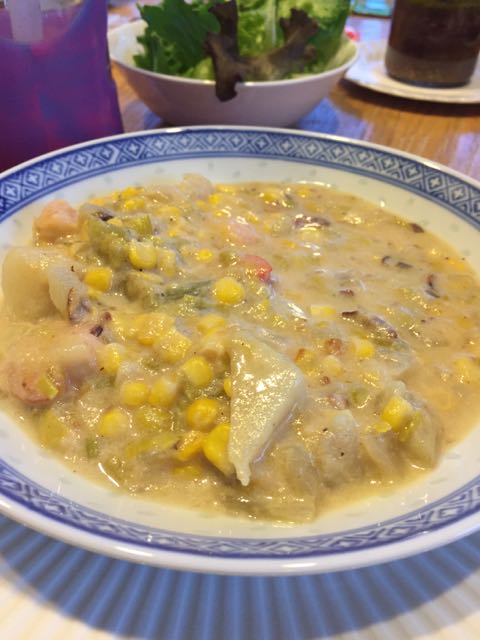 This shrimp and corn chowder makes 4-6 servings depending on how generous you are.

 I love popovers. They are a little time consuming, but once you’ve mixed the batter you pop them in the oven and wait. Waiting for the popovers to come out of the oven is the hardest part! The batter can even be made ahead of time and stored in the refrigerator, if you want. Popovers are best right from the oven. Serve with butter, jams, or other sweet or savory spreads. I have two popover pans, which make the most perfect popovers every time. One pan makes 12 mini popovers while the other pan makes 6 large popovers. Depending on how many people we have for dinner dictates which pan I will use.


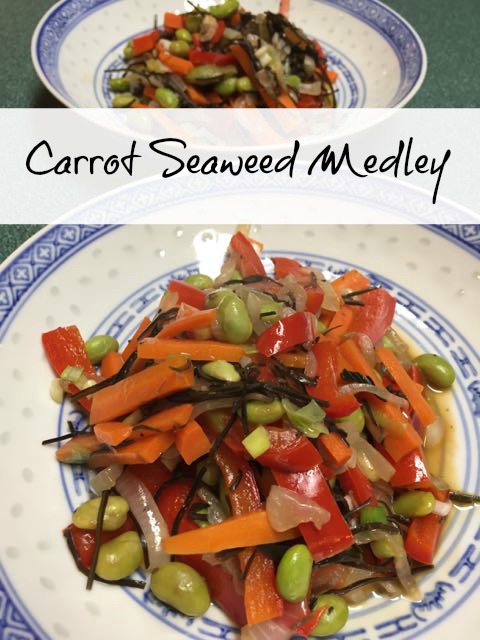
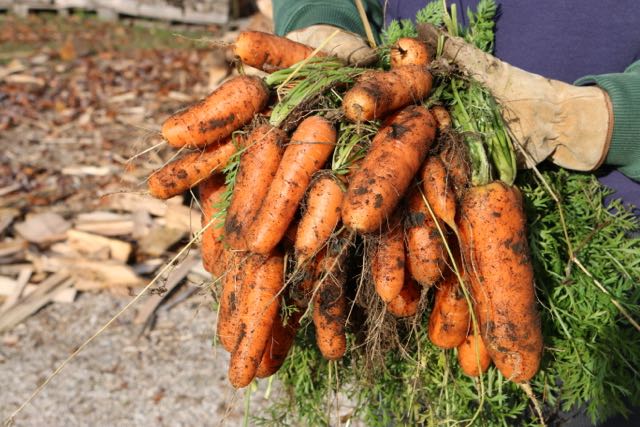
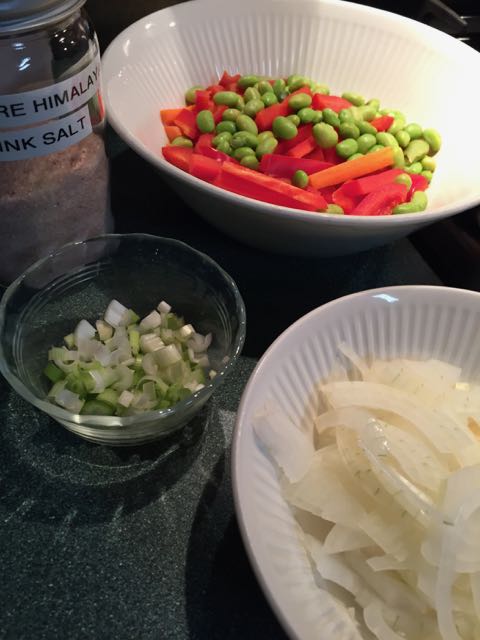
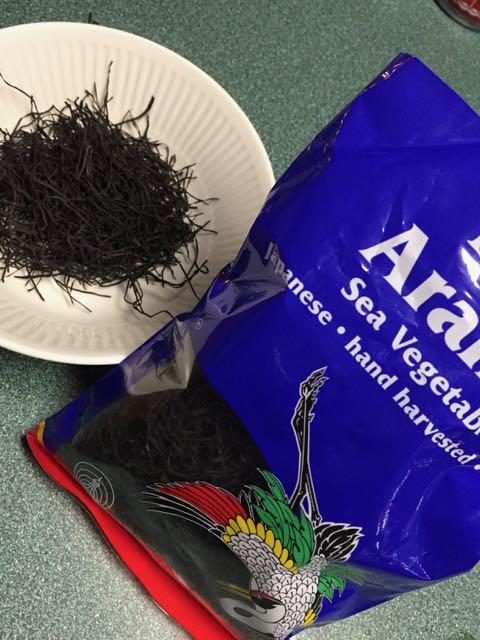
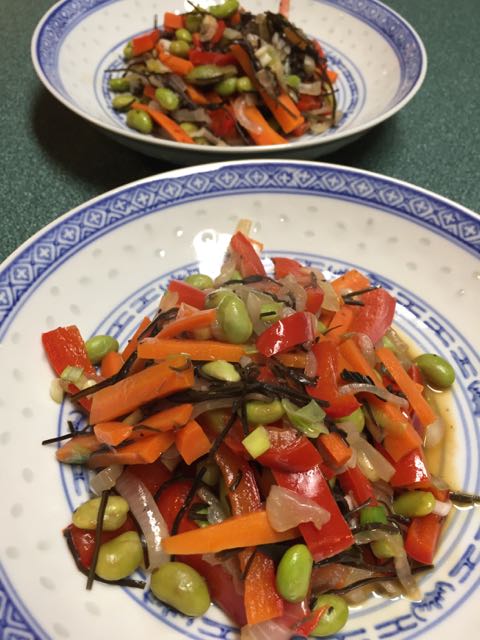
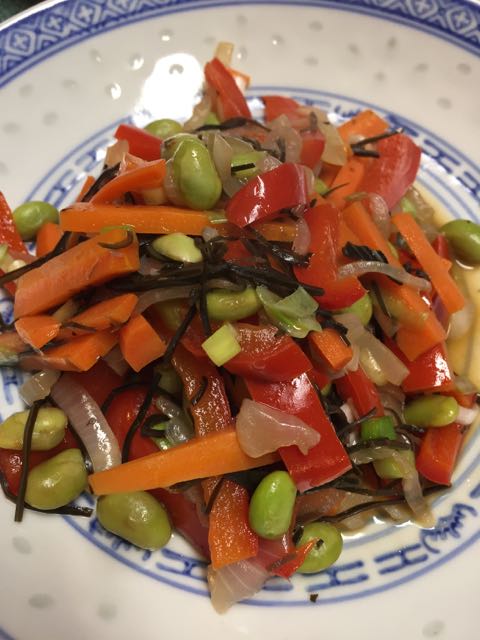
 Recently my husband and I tool part in a three-day refresh program. We just wanted to get ourselves back on track after a period of too much eating and not enough exercise. The 3-Day Refresh consists of three daily shakes, a fiber drink, plenty of water, plus a wide variety of fresh fruits, vegetables, and healthy fats throughout the day to keep your energy and metabolism going. This carrot seaweed medley was one of my favorite dishes.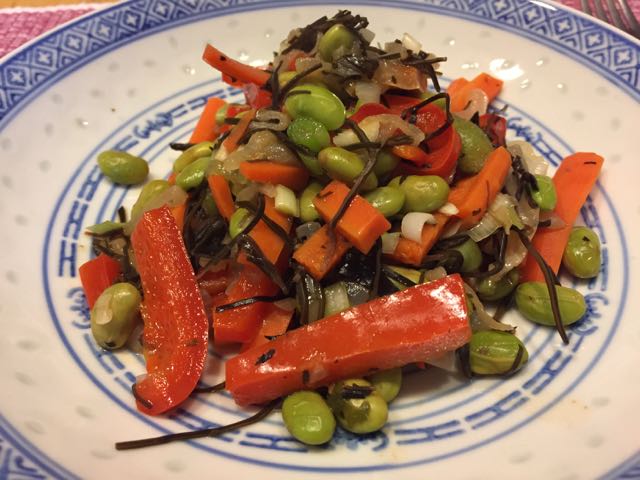

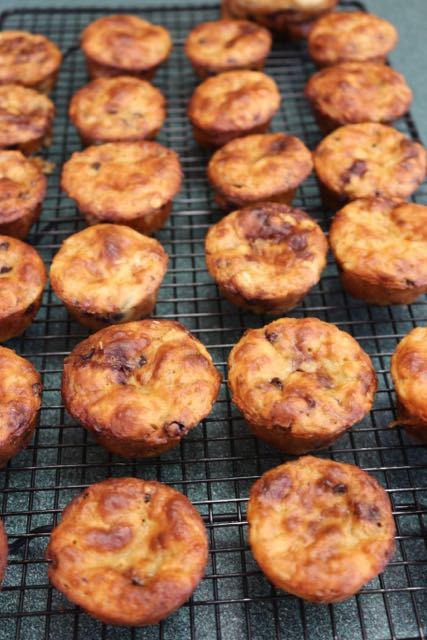
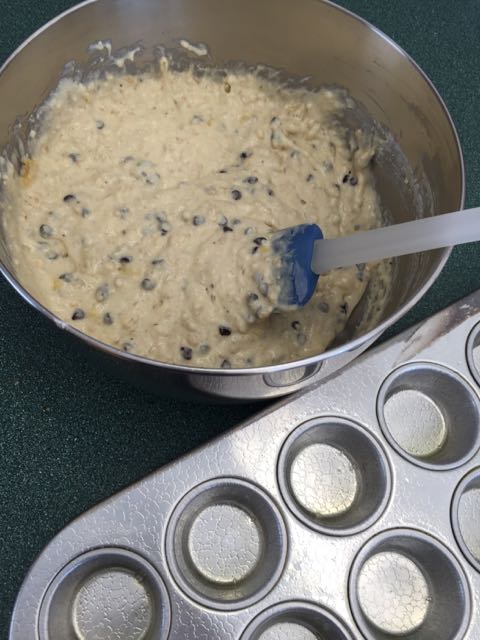
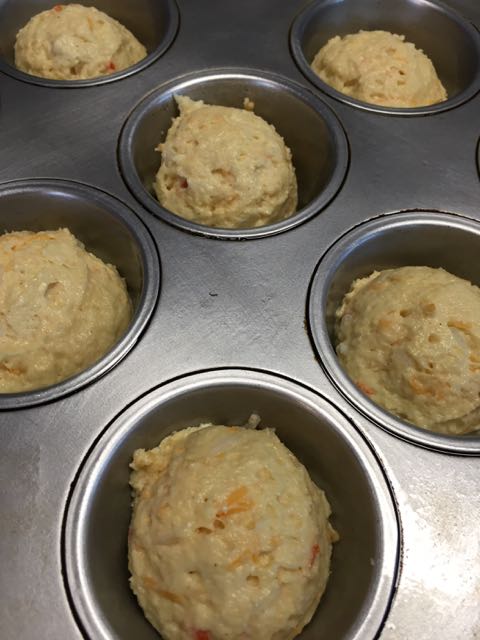 Bake at 400 degree for 25-30 minutes. Makes one dozen muffins. Remove from the muffin tin and either let cool on a wire rack or serve immediately. These corn muffins are best served warm.
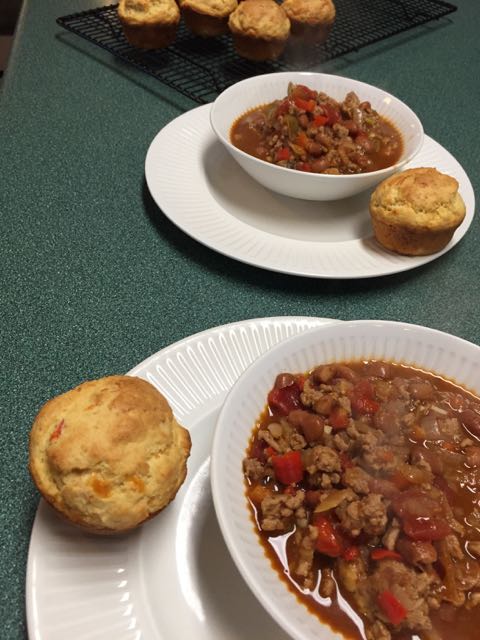

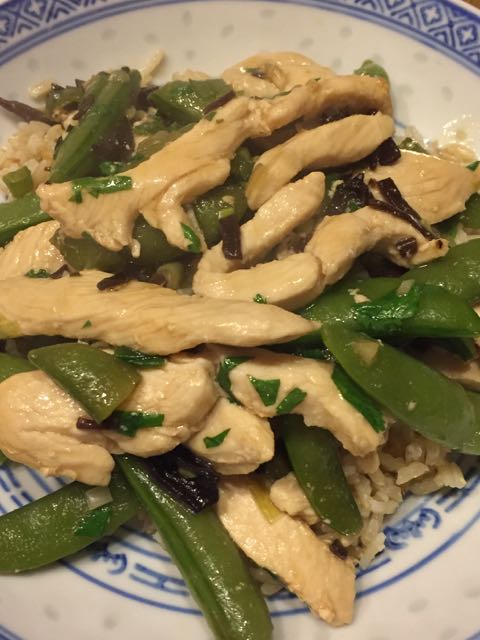
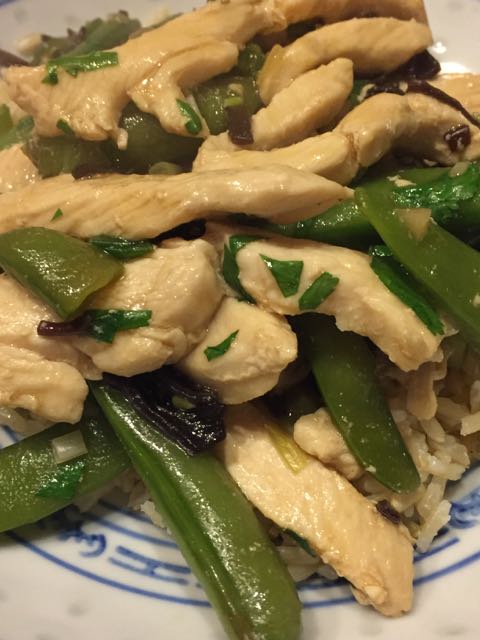
 Have you ever cooked with fish sauce? Fish sauce is also called nam pia and is strong flavored and salty, so only a tiny amount is needed in this Thai Chicken with Ginger Sauce. Dried wood ear is another unusual ingredient in this Thai dish. Dried wood ear mushrooms are a type of mushroom commonly used in Asian cooking. You may be surprised by their small package but don’t let that fool you, when reconstituted they increase almost six times in size! Both fish sauce and dried wood ears can be found in most supermarkets or in Asian markets, they make this Thai Chicken with Ginger Sauce taste authentic!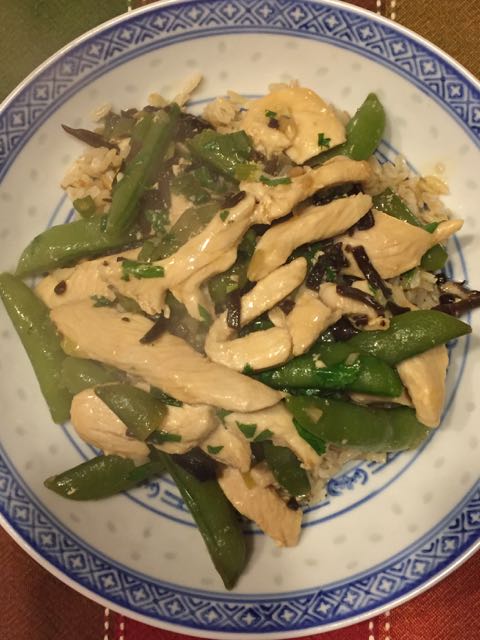


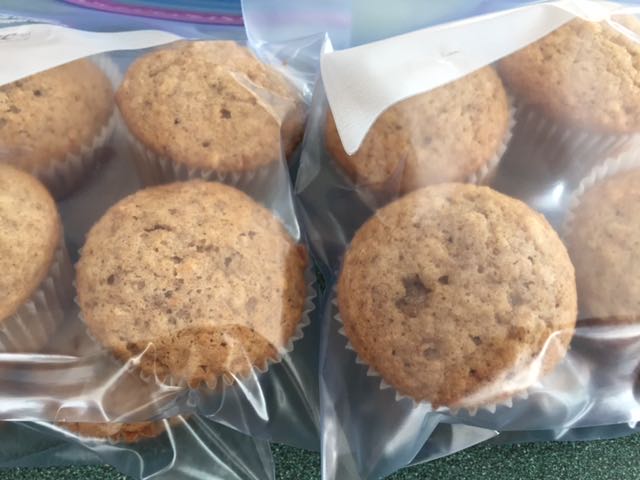

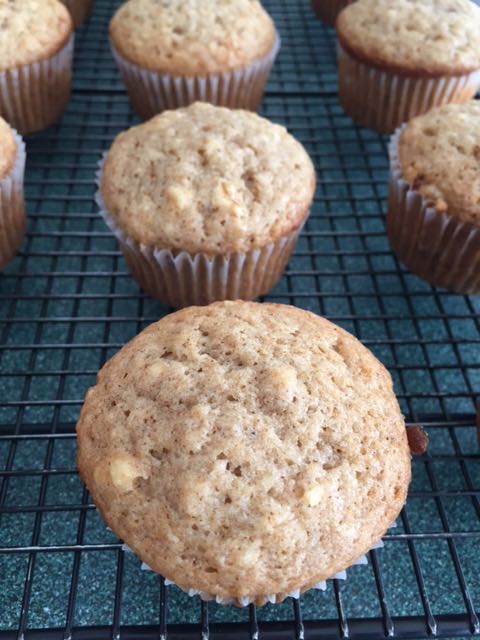 If you like you can sprinkle with cinnamon-sugar. Muffins sprinkled with cinnamon-sugar sounds like a wonderful idea but I’ve yet to remember to sprinkle them with the sugar and they are perfectly delicious without it! Makes about two dozen muffins.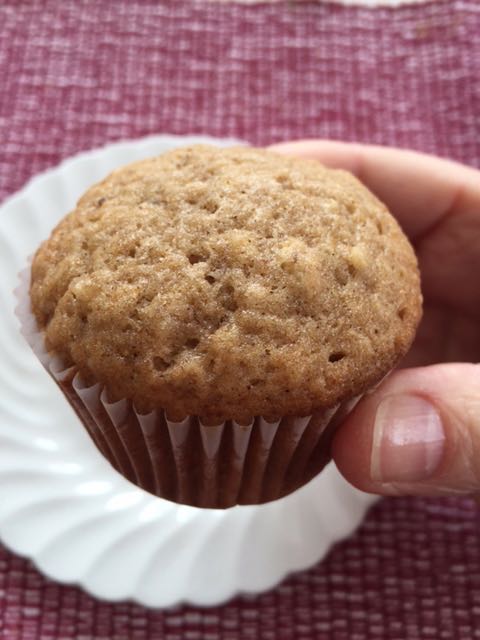
 Nancy on the Home Front